









When it comes to carpet installation, one question that often arises is whether transfer adhesive can be a viable option. As a transfer adhesive supplier, I've delved deep into this topic, and in this blog, I'll share my insights on the matter.
Understanding Transfer Adhesive
Transfer adhesive is a specialized type of adhesive that is designed to bond two surfaces together. It works by applying the adhesive to one surface, which is then transferred to another surface upon contact. This process creates a strong and durable bond. Transfer adhesives come in various forms, including tapes, films, and sheets. They are known for their versatility and are used in a wide range of industries, from automotive to electronics.
One of the key advantages of transfer adhesive is its ability to provide a uniform bond. Unlike some traditional adhesives that may require spreading or application with a brush, transfer adhesive ensures an even distribution of the bonding agent. This results in a more consistent and reliable bond, which is crucial for applications where strength and durability are essential.
Carpet Installation: Traditional Methods
Before we explore the use of transfer adhesive in carpet installation, let's briefly review the traditional methods. Historically, carpet installation has relied on techniques such as tack strips and glue-down methods.
Tack strips are wooden strips with nails or tacks that are installed along the perimeter of the room. The carpet is then stretched over these strips, and the tacks hold the carpet in place. This method is relatively simple and cost - effective, but it may not be suitable for all types of carpets or installations. For example, in areas with high foot traffic, the carpet may start to loosen over time, requiring re - stretching or repair.
The glue - down method involves applying a liquid adhesive directly to the subfloor. The carpet is then laid on top of the adhesive and pressed firmly into place. This method provides a very secure bond, but it can be messy and time - consuming. Additionally, the liquid adhesive may take some time to dry, and improper application can lead to bubbles or uneven bonding.
Advantages of Using Transfer Adhesive for Carpet Installation
Now, let's look at the potential benefits of using transfer adhesive for carpet installation.
1. Clean and Easy Installation
One of the most significant advantages is the cleanliness of the installation process. Unlike the glue - down method, which can be messy and require careful application, transfer adhesive comes in pre - cut sheets or tapes. This means there is no need for mixing or spreading a liquid adhesive, reducing the risk of spills and stains on the subfloor or the carpet itself. The installation process is also quicker, as the transfer adhesive can be simply laid down and the carpet placed on top.
2. Strong and Durable Bond
Transfer adhesive is designed to create a strong and long - lasting bond. It can withstand the stresses of foot traffic, movement, and even minor impacts. This is particularly important in high - traffic areas such as hallways, living rooms, and commercial spaces. The uniform distribution of the adhesive ensures that the carpet remains firmly in place, reducing the risk of wrinkles, bubbles, or loosening over time.
3. Versatility
Transfer adhesive can be used with a wide variety of carpet types, including synthetic and natural fibers. It can also be used on different subfloor materials, such as concrete, wood, and tile. This versatility makes it a great option for both residential and commercial carpet installations.
4. No Odor
Many traditional liquid adhesives emit strong odors during the installation process, which can be unpleasant and even harmful to health. Transfer adhesive, on the other hand, typically has little to no odor, making it a more user - friendly option, especially in enclosed spaces or areas where people are sensitive to chemical smells.
Considerations When Using Transfer Adhesive for Carpet Installation
While transfer adhesive offers many advantages, there are also some considerations to keep in mind.
1. Surface Preparation
Proper surface preparation is crucial for the success of the installation. The subfloor must be clean, dry, and free of any debris or contaminants. Any irregularities in the subfloor should be addressed before applying the transfer adhesive. If the surface is not properly prepared, the bond may be compromised, leading to issues such as peeling or lifting of the carpet.
2. Cost
Transfer adhesive may be more expensive than some traditional carpet installation methods, such as tack strips. However, when considering the long - term benefits, such as durability and reduced maintenance, the cost may be justified. Additionally, the cost can vary depending on the type and quality of the transfer adhesive, as well as the size of the installation area.
3. Temperature and Humidity
The performance of transfer adhesive can be affected by temperature and humidity. Extreme temperatures or high humidity levels can impact the adhesive's ability to bond properly. It is important to follow the manufacturer's recommendations regarding the ideal temperature and humidity conditions for installation.
Real - World Applications and Case Studies
There have been numerous successful carpet installations using transfer adhesive. In commercial settings, such as office buildings and retail stores, transfer adhesive has been used to install carpets quickly and efficiently, minimizing disruption to business operations. The strong bond provided by the transfer adhesive has ensured that the carpets remain in good condition even with heavy foot traffic.
In residential applications, homeowners have appreciated the clean and odor - free installation process. For example, in a recent home renovation project, transfer adhesive was used to install a plush carpet in a bedroom. The installation was completed in a fraction of the time it would have taken with a traditional glue - down method, and the homeowner was pleased with the smooth and secure finish.
Related Products and Their Applications
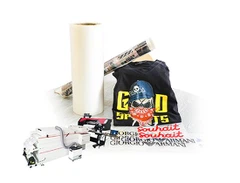
As a transfer adhesive supplier, we also offer related products that can enhance the carpet installation process. For instance, Heat Transfer Film can be used in combination with transfer adhesive in some specialized carpet applications. Heat transfer film can add decorative elements to the carpet, such as patterns or logos, while the transfer adhesive ensures that the film adheres firmly to the carpet surface.
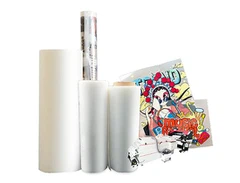
Transfer Sheet is another useful product. Transfer sheets can be used to transfer images or designs onto the carpet during the installation process. This can be a great way to customize the carpet and create a unique look for a room.


High - density Transfer Print is suitable for applications where a more detailed and high - quality print is required. It can be used to create intricate patterns or high - resolution images on the carpet, adding a touch of luxury and sophistication.
Conclusion and Call to Action
In conclusion, transfer adhesive can be an excellent option for carpet installation. It offers a clean, easy, and durable solution that is suitable for a wide range of carpet types and subfloor materials. While there are some considerations to keep in mind, the benefits far outweigh the potential drawbacks.
If you're considering a carpet installation project, whether it's for your home or business, I encourage you to explore the use of transfer adhesive. As a transfer adhesive supplier, we have the expertise and products to help you achieve a successful installation. Contact us to discuss your specific needs, and our team of experts will be happy to provide you with more information and guidance on the best transfer adhesive products for your project.
References
- "Adhesive Technology Handbook" by John A. D. Matthews
- "Carpet Installation Guide" published by the Carpet and Rug Institute
- Industry research reports on transfer adhesive applications in the flooring industry.