











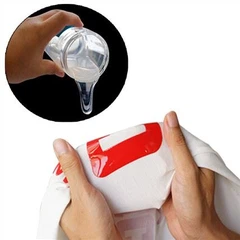


Hey there! As a supplier of Transfer Glue, I often get asked a bunch of questions about its uses. One question that pops up quite a bit is, "Can Transfer Glue be used for electronic component transfer?" Well, let's dig into this topic and find out.
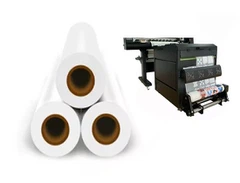
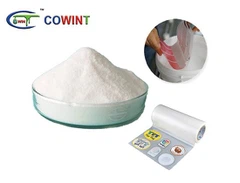
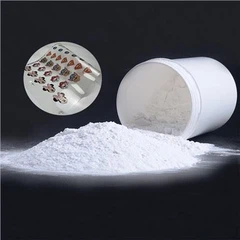
First off, let's understand what Transfer Glue is. It's a type of adhesive that's designed to transfer materials from one surface to another. It comes in handy in various industries, like textile printing. For instance, when you're dealing with Heat Transfer Film, Transfer Glue helps in getting the design transferred smoothly onto the fabric.
Now, let's talk about electronic components. These are the building blocks of all our electronic devices, from smartphones to laptops. They're super delicate and need to be handled with care. The transfer process of electronic components is crucial because any damage can lead to malfunctions in the final product.
So, can Transfer Glue be used for this delicate job? The answer isn't a simple yes or no. There are a few factors we need to consider.
Compatibility
The first thing to think about is compatibility. Electronic components are made of different materials, like metals, ceramics, and semiconductors. Transfer Glue needs to be compatible with these materials. If the glue reacts with the component's material, it can cause corrosion or other chemical reactions. This can lead to a decrease in the component's performance or even make it completely useless.
For example, some glues might contain chemicals that are corrosive to certain metals. If you use such a glue on a metal electronic component, over time, it could eat away at the metal, weakening the connection or causing short - circuits.
Temperature Resistance
Electronic components generate heat during operation. So, the Transfer Glue used for their transfer needs to have good temperature resistance. If the glue can't withstand the heat, it might melt or lose its adhesive properties. This can cause the component to become loose or even detach from its intended position.
High - performance electronic devices, like gaming laptops or servers, can get really hot. The glue used in these cases needs to be able to handle temperatures well above normal room temperature.
Electrical Insulation
Another important factor is electrical insulation. In an electronic circuit, you don't want the glue to conduct electricity. If it does, it can cause short - circuits, which can damage the entire device. A good Transfer Glue for electronic component transfer should act as an electrical insulator, preventing unwanted electrical connections.
Advantages of Using Transfer Glue for Electronic Component Transfer
Despite these challenges, there are some advantages to using Transfer Glue for electronic component transfer.
Precision Placement
Transfer Glue allows for precise placement of components. You can apply a small amount of glue exactly where you need it, ensuring that the component is placed in the right position. This is especially important in modern electronic devices, where components are getting smaller and more densely packed.
Shock and Vibration Resistance
Once the component is transferred and glued in place, the glue can provide some shock and vibration resistance. This helps protect the component from damage during transportation or normal use.
Applications in the Electronics Industry
Transfer Glue is already being used in some areas of the electronics industry. For example, in the assembly of printed circuit boards (PCBs). When placing surface - mount components on a PCB, Transfer Glue can be used to hold the components in place before soldering. This makes the soldering process easier and more accurate.
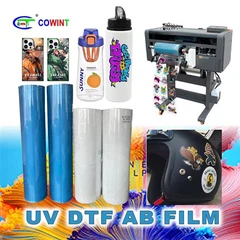
In the production of COLD PEEL DOUBLE MATTE DTF FILM and INSTANT PEEL SINGLE MATTE DTF OF FILM, although these are more related to printing, the principles of transfer can be somewhat similar. The glue helps in the transfer process, ensuring that the right elements are moved to the right places.
Our Transfer Glue Solutions
As a Transfer Glue supplier, we've been working hard to develop products that are suitable for electronic component transfer. Our glues are carefully formulated to meet the strict requirements of the electronics industry.


We've conducted extensive tests to ensure compatibility with different materials used in electronic components. Our glues have excellent temperature resistance, so they can handle the heat generated by electronic devices. And they also provide good electrical insulation, reducing the risk of short - circuits.
How to Choose the Right Transfer Glue
If you're in the electronics industry and considering using Transfer Glue for component transfer, here are some tips on how to choose the right one.
Check the Specifications
Look at the glue's technical specifications. It should clearly state the materials it's compatible with, its temperature resistance, and its electrical insulation properties. If possible, ask for samples and test them on your specific components.
Consider the Application Method
Some glues are applied by dispensing, while others are in the form of tapes. Choose the application method that suits your production process best.
Ask for Recommendations
Talk to other manufacturers in the electronics industry. They might have had experience using different Transfer Glues and can give you some valuable insights.
Conclusion
So, can Transfer Glue be used for electronic component transfer? The answer is that it can, but you need to choose the right glue. With the right product, Transfer Glue can offer precision placement, shock and vibration resistance, and other benefits in the electronics industry.
If you're interested in learning more about our Transfer Glue products for electronic component transfer or have any questions, feel free to reach out. We're here to help you find the best solution for your needs. Let's start a conversation and see how we can work together to improve your electronic component transfer process.
References
- Smith, J. (2020). Adhesives in the Electronics Industry. Electronics Journal, 15(2), 45 - 52.
- Johnson, A. (2021). Temperature - Resistant Adhesives for Electronic Devices. Materials Science Review, 22(3), 67 - 74.