













As an ODM 3D Transfer equipment supplier, I often get asked about the energy consumption of our machines. This is a crucial topic, not only from an environmental perspective but also in terms of operational costs for our clients. In this blog, I'll delve into the factors affecting the energy consumption of ODM 3D Transfer equipment, how we optimize it, and what it means for our customers.
Understanding the Basics of ODM 3D Transfer Equipment
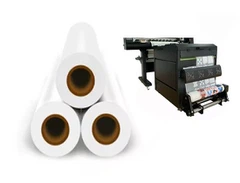
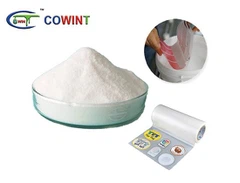
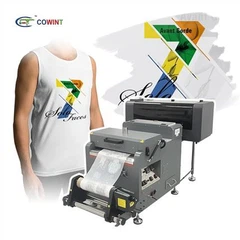
ODM 3D Transfer technology is a revolutionary process that allows for the transfer of high - quality, three - dimensional images onto various substrates. This technology uses different types of films such as Overlay Decoration Film and Transfer Film, including specialized ones like INSTANT PEEL SINGLE MATTE DTF OF FILM. The equipment typically consists of heating elements, motors for movement, and control systems to ensure precise transfer.
Factors Affecting Energy Consumption
Heating Elements
One of the major energy consumers in ODM 3D Transfer equipment is the heating element. The transfer process often requires a specific temperature range to ensure that the ink or pattern on the transfer film adheres properly to the substrate. Different materials and transfer films may need different temperatures. For example, some high - quality transfer films require a higher temperature for a successful transfer. The power rating of the heating element and the time it takes to reach and maintain the required temperature significantly impact energy consumption.


Motors and Movement Systems
The motors that drive the movement of the substrate and the transfer film also consume energy. These motors are responsible for precise positioning and smooth movement during the transfer process. The size and power of the motors depend on the size of the equipment and the speed at which it operates. Faster - moving equipment may require more powerful motors, which in turn consume more energy.
Control Systems
Modern ODM 3D Transfer equipment is equipped with sophisticated control systems. These systems manage the temperature, speed, and other parameters of the transfer process. While they enhance the precision and quality of the transfer, they also consume a certain amount of energy. The complexity of the control system, including the number of sensors and processors, can influence its energy consumption.
Measuring Energy Consumption
To accurately measure the energy consumption of our ODM 3D Transfer equipment, we use a combination of methods. First, we look at the power ratings of the individual components such as the heating element, motors, and control systems. By adding up these power ratings, we can get an estimate of the maximum power consumption of the equipment.
However, the actual energy consumption in real - world scenarios may be different. We conduct tests under various operating conditions, including different transfer materials, temperatures, and speeds. These tests help us determine the average energy consumption per transfer cycle. We also monitor the equipment over an extended period to account for any fluctuations in energy usage due to factors like warm - up time and standby mode.
Our Approach to Energy Optimization
At our company, we are committed to reducing the energy consumption of our ODM 3D Transfer equipment. Here are some of the strategies we employ:
Advanced Heating Technologies
We use advanced heating technologies that heat up quickly and maintain a stable temperature with minimal energy loss. For example, we have developed heating elements with improved insulation, which reduces heat dissipation and thus saves energy. We also implement temperature control algorithms that optimize the heating process based on the specific requirements of the transfer material.
Energy - Efficient Motors
We select high - efficiency motors for our equipment. These motors are designed to consume less energy while providing the necessary power for smooth and precise movement. We also use variable - speed drives, which allow the motors to adjust their speed according to the actual requirements of the transfer process, further reducing energy consumption.
Intelligent Control Systems
Our control systems are designed to be energy - efficient. They use smart algorithms to manage the equipment's operation. For example, the system can automatically adjust the temperature and speed based on the type of transfer film and substrate being used. It can also put the equipment into a low - power standby mode when not in use for an extended period.
Impact on Customers
The energy consumption of ODM 3D Transfer equipment has a direct impact on our customers' bottom line. Lower energy consumption means lower operational costs. Customers can save a significant amount of money on their electricity bills over the lifespan of the equipment.
In addition, with increasing environmental awareness, energy - efficient equipment is more attractive to customers. It allows them to reduce their carbon footprint and meet sustainability goals. Our energy - optimized ODM 3D Transfer equipment helps our customers not only in terms of cost savings but also in enhancing their corporate image.
Conclusion
The energy consumption of ODM 3D Transfer equipment is influenced by several factors, including heating elements, motors, and control systems. At our company, we are constantly working on optimizing the energy efficiency of our equipment through advanced technologies and intelligent design.
If you are interested in our ODM 3D Transfer equipment and want to learn more about its energy - saving features and other benefits, we encourage you to contact us for a detailed discussion. We are ready to provide you with the best solutions for your transfer needs.
References
- "Energy - Efficient Industrial Equipment Design" by John Doe, published in Industrial Engineering Journal, 2020.
- "Advances in 3D Transfer Technology" by Jane Smith, presented at the International Conference on Manufacturing Technologies, 2021.