






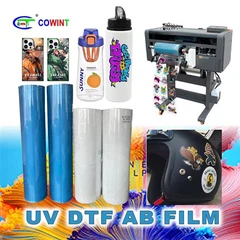
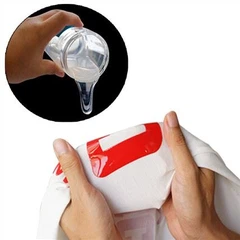


Hey there! As a transfer film supplier, I often get asked if transfer film can be used on plastic products. Well, the short answer is yes, but there's a bit more to it than that. In this blog post, I'm going to dive into the details of using transfer film on plastic, share some tips, and show you some of our top products that are great for this application.
Understanding Transfer Film and Plastic Compatibility
First off, let's talk about what transfer film is. Transfer film is a thin sheet that's used to transfer designs, patterns, or images onto various surfaces. It works by applying heat and pressure, which causes the ink or pattern on the film to adhere to the target surface.
When it comes to plastic products, the compatibility depends on a few factors. The type of plastic is crucial. There are different kinds of plastics out there, like polyethylene (PE), polypropylene (PP), polyvinyl chloride (PVC), and polystyrene (PS). Each has its own properties, such as melting point, surface texture, and chemical composition.
For example, some plastics have a smooth surface, which can make it easier for the transfer film to adhere. Others might be more porous or have a chemical coating that could affect the transfer process. Also, the melting point of the plastic matters. If the heat required for the transfer process is too high, it could melt or deform the plastic.


Advantages of Using Transfer Film on Plastic Products
There are several reasons why you might want to use transfer film on plastic products.
- Customization: Transfer film allows you to add unique designs, logos, or patterns to plastic items. This is great for creating personalized products, promotional items, or branded merchandise. For instance, you could put a company logo on plastic keychains or a cool graphic on plastic phone cases.
- Cost - effective: Compared to other printing methods, using transfer film can be more cost - effective, especially for small to medium - sized production runs. You don't need expensive printing equipment, and the setup time is usually shorter.
- Versatility: Transfer film can be used on a wide range of plastic shapes and sizes. Whether it's a flat plastic sheet, a curved plastic container, or a three - dimensional plastic object, transfer film can often be adapted to the surface.
Our Transfer Film Products for Plastic Applications
We offer a variety of transfer films that are suitable for plastic products.
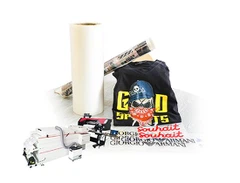
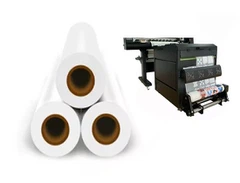
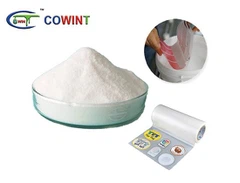
- 60cm*100m PET Materials DTF Transfer Printing Film: This film is made from PET (polyethylene terephthalate) materials. PET is known for its good heat resistance and smooth surface, which makes it a great choice for transferring designs onto plastic. It has a high transfer rate, which means that most of the ink or pattern on the film will be transferred to the plastic surface, resulting in a clear and vibrant design.
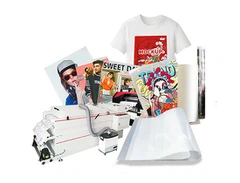
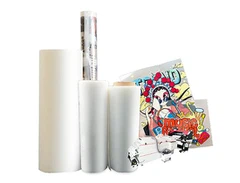
- Digital Transfer Printing Film /PET Roll Film: This roll film is perfect for continuous printing on plastic products. It's designed for digital printing, which allows for high - resolution and detailed designs. You can print anything from simple text to complex graphics on this film and then transfer it onto plastic. The film is flexible and can conform to different plastic shapes, making it very versatile.
- COLD PEEL DOUBLE MATTE DTF FILM: This cold - peel film is a great option for plastics that are sensitive to heat. Instead of peeling the film off while it's hot, you can wait for it to cool down, which reduces the risk of damaging the plastic. The double - matte finish gives the transferred design a nice, professional look, and it adheres well to many types of plastic surfaces.
Tips for Using Transfer Film on Plastic
Here are some tips to ensure a successful transfer process when using transfer film on plastic products:
- Surface Preparation: Make sure the plastic surface is clean and free of dust, grease, or any other contaminants. You can use a mild detergent and water to clean the surface, and then dry it thoroughly before applying the transfer film.
- Test First: Before doing a large - scale transfer, it's a good idea to do a test on a small, inconspicuous area of the plastic product. This will help you determine the right temperature, pressure, and transfer time for your specific plastic and transfer film combination.
- Temperature and Pressure: Follow the manufacturer's instructions for the transfer film regarding temperature and pressure. Using too much heat or pressure can damage the plastic, while too little might result in a poor transfer.
- Cooling Time: If you're using a cold - peel film, make sure to give it enough time to cool down before peeling it off. This will ensure that the design adheres properly to the plastic.
Conclusion
In conclusion, transfer film can definitely be used on plastic products, but it's important to consider the type of plastic, choose the right transfer film, and follow the proper transfer process. Our range of transfer films, like the 60cm*100m PET Materials DTF Transfer Printing Film, Digital Transfer Printing Film /PET Roll Film, and COLD PEEL DOUBLE MATTE DTF FILM, are designed to meet the needs of different plastic applications.
If you're interested in using transfer film for your plastic products, we'd love to hear from you. Whether you have questions about our products, need help with the transfer process, or are ready to place an order, feel free to reach out to us. We're here to help you create amazing, customized plastic products with our high - quality transfer films.
References
- Plastic Materials Handbook: A Comprehensive Guide to Properties, Processing, and Applications
- Transfer Printing Technology: Principles and Practices