









Is transfer print ink resistant to abrasion? This is a question that often comes up when discussing the quality and durability of transfer print products. As a supplier of Transfer Print Ink, I've encountered this query numerous times from our clients, ranging from small - scale crafters to large - scale manufacturing enterprises. In this blog, I'll delve into the factors that affect the abrasion resistance of transfer print ink, and share some insights based on our experience in the industry.
Understanding Abrasion Resistance in Transfer Print Ink
Abrasion resistance refers to the ability of the transfer print ink to withstand the wear and tear caused by friction, rubbing, or scraping. In practical applications, products with transfer prints are often exposed to various mechanical forces. For example, T - shirts with transfer prints are subject to constant movement and contact with other surfaces during daily wear. If the ink lacks sufficient abrasion resistance, the print will fade, peel off, or become blurred over time, which not only affects the aesthetic appearance of the product but also reduces its market value.
Factors Affecting Abrasion Resistance
Ink Composition
The chemical composition of the transfer print ink plays a crucial role in its abrasion resistance. Different types of inks have different binding agents, pigments, and additives. For instance, solvent - based inks usually have good adhesion and abrasion resistance because the solvents help the ink penetrate the substrate better and form a strong bond. On the other hand, water - based inks are more environmentally friendly, but their abrasion resistance may be slightly lower. However, with the development of technology, many water - based inks now incorporate advanced resins and additives to enhance their durability.
Substrate Material
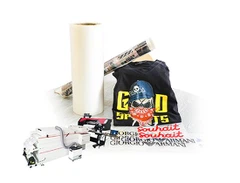
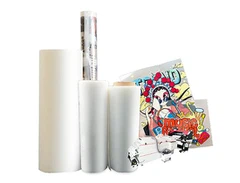
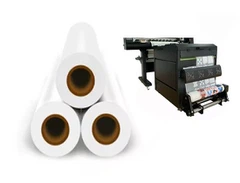
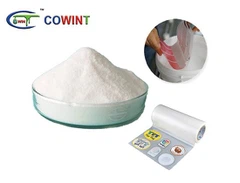
The substrate on which the transfer print is applied also significantly impacts the abrasion resistance. Some materials are more receptive to the ink and can form a more stable bond. For example, 60cm*100m PET Materials DTF Transfer Printing Film is a popular choice for transfer printing. PET (polyethylene terephthalate) has a smooth surface and good chemical resistance, which allows the ink to adhere well and maintain its integrity under normal wear conditions. In contrast, substrates with a rough or porous surface may not hold the ink as effectively, leading to reduced abrasion resistance.


Printing Process
The way the transfer print is applied can affect the ink's abrasion resistance. Factors such as printing pressure, temperature, and drying time are all important. If the printing pressure is too low, the ink may not be fully transferred to the substrate, resulting in a weak bond. Conversely, excessive pressure can damage the substrate or cause the ink to spread unevenly. Temperature also plays a vital role. During the heat transfer process, the right temperature is needed to activate the ink and ensure proper adhesion. If the drying time is too short, the ink may not fully cure, making it more susceptible to abrasion.
Testing Abrasion Resistance
To ensure the quality of our transfer print ink, we conduct various abrasion resistance tests. One common method is the Taber abrasion test. In this test, a sample of the printed material is rubbed against an abrasive wheel under a specific load for a set number of cycles. After the test, the change in the appearance and integrity of the print is evaluated. Another method is the crocking test, which measures the amount of ink that transfers from the printed material to a white cloth when rubbed.
Our Solutions for High - Abrasion Resistance
As a Transfer Print Ink supplier, we are committed to providing products with excellent abrasion resistance. We continuously invest in research and development to improve the ink formulation. Our R & D team is constantly exploring new binding agents and additives that can enhance the ink's adhesion and durability.
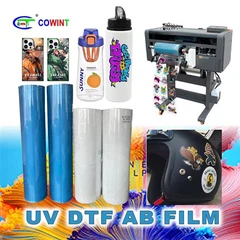
We also offer a wide range of inks suitable for different substrates and applications. Whether you are using Heat Transfer Materials or High - density Transfer Print, we have the right ink for you. Our technical support team can provide guidance on the printing process to ensure that you achieve the best results in terms of abrasion resistance.
Case Studies
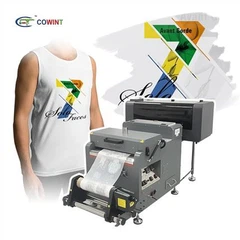
Let's take a look at some real - world examples. A clothing manufacturer came to us with a problem. Their transfer - printed T - shirts were losing their print quality after just a few washes. After analyzing their process, we found that they were using an inappropriate ink for the fabric type. We recommended our specially formulated water - based ink that was designed for cotton fabrics. We also provided detailed instructions on the heat transfer process, including the optimal temperature and pressure. After making these changes, the abrasion resistance of the printed T - shirts improved significantly. The prints remained clear and vibrant even after multiple washes, which greatly increased the customer's satisfaction and product sales.
Conclusion
In conclusion, transfer print ink can be highly resistant to abrasion if the right factors are considered. The ink composition, substrate material, and printing process all interact to determine the final abrasion resistance of the print. As a Transfer Print Ink supplier, we understand the importance of providing high - quality products that meet our customers' needs.
If you are looking for transfer print ink with excellent abrasion resistance, we are here to help. Our team of experts can assist you in choosing the right ink for your specific application and provide technical support throughout the process. Whether you are a small business or a large - scale manufacturer, we are committed to helping you achieve the best results with your transfer print projects. Contact us today to start a conversation about your requirements and let's work together to create high - quality, durable transfer prints.
References
- ASTM International. (2018). Standard Test Methods for Abrasion Resistance of Organic Coatings by the Taber Abraser. ASTM D4060 - 18.
- AATCC. (2020). Test Method 8 - 2020: Colorfastness to Crocking.