










Hey there! As a supplier of transfer glue, I often get asked a bunch of questions about where and how our product can be used. One of the most common queries I hear is, "Can transfer glue be used on metal surfaces?" Well, let's dive right into this topic and find out.
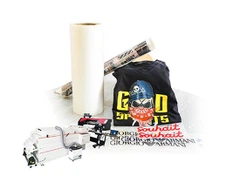
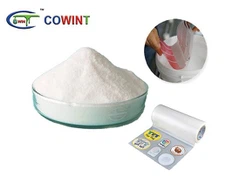
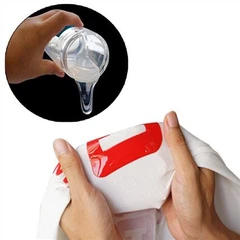
First off, let's talk a bit about what transfer glue is. Transfer glue is a special type of adhesive that's designed to help transfer designs or patterns from one surface to another. It's a key player in many industries, especially those involved in printing and decoration. You can find it being used in all sorts of applications, from customizing T - shirts to adding cool designs to various products.
Now, when it comes to using transfer glue on metal surfaces, the answer isn't a simple yes or no. There are several factors we need to consider.
Surface Condition
The condition of the metal surface is super important. Metal surfaces can vary widely in terms of their smoothness, cleanliness, and the presence of any coatings. For example, if the metal has a rough surface, the transfer glue might not adhere as well as it would on a smooth one. Roughness can create air pockets between the glue and the metal, which can lead to a less than perfect transfer.
Cleanliness is another big deal. If the metal surface has dirt, oil, or rust on it, the glue won't bond properly. Before applying the transfer glue, it's crucial to clean the metal surface thoroughly. You can use a mild detergent and water to remove dirt and grease, and then a rust remover if there's any rust present. After cleaning, make sure the surface is completely dry.
Type of Metal
Different metals react differently to transfer glue. Some metals, like stainless steel and aluminum, are relatively non - reactive and have smooth surfaces, which makes them good candidates for using transfer glue. Stainless steel has a sleek finish that allows the glue to spread evenly and form a strong bond. Aluminum is lightweight and also has a surface that can be easily prepared for glue application.
On the other hand, metals like copper or brass can be a bit more challenging. These metals can oxidize over time, and the oxide layer can interfere with the adhesion of the transfer glue. If you're working with these types of metals, you might need to take extra steps to remove the oxide layer and apply a primer to ensure a good bond.
Type of Transfer Glue
There are different types of transfer glue available in the market, and each one has its own properties and suitability for metal surfaces. Some transfer glues are specifically formulated for use on hard, non - porous surfaces like metal. These glues usually have strong bonding properties and can withstand the environmental conditions that metal objects may be exposed to.
For example, if you're using a transfer glue for a decorative transfer on a metal outdoor sign, you'll want a glue that is weather - resistant and can hold up against UV rays, rain, and temperature changes. On the contrary, if it's for an indoor metal object like a piece of jewelry, you might have more flexibility in choosing a transfer glue based on other factors like drying time and clarity.
Application Process
The way you apply the transfer glue also matters a lot when working with metal surfaces. First, make sure to follow the manufacturer's instructions carefully. Usually, you'll need to apply the glue evenly on either the transfer sheet or the metal surface.
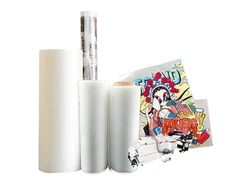
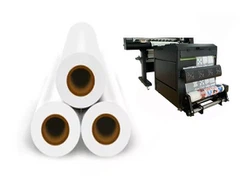
If you're using a Transfer Sheet, applying a thin, even layer of glue on the back of the sheet is essential. This ensures that the pattern will transfer smoothly without any distortions. When applying the glue to the metal surface, use a brush or roller to spread it evenly. Avoid applying too much glue as it can lead to messy transfers and longer drying times.
Benefits of Using Transfer Glue on Metal Surfaces
When done right, using transfer glue on metal surfaces can offer a bunch of benefits. One of the main advantages is customization. You can add unique designs, logos, or patterns to metal objects, which is great for businesses looking to brand their products or for individuals who want to add a personal touch.
It's also a cost - effective way to decorate metal. Instead of using expensive and time - consuming painting or engraving methods, transfer glue allows you to quickly and easily add designs to metal objects. Additionally, transfer glues can provide a relatively durable finish, especially if you choose the right type for the specific application.
Challenges and Solutions
As I mentioned earlier, there are some challenges when using transfer glue on metal surfaces. One common problem is the adhesion not being strong enough. This can be due to factors like poor surface preparation or using the wrong type of glue. To overcome this, make sure to clean and prepare the metal surface properly and choose a glue that's suitable for metal.
Another issue can be the appearance of bubbles or wrinkles during the transfer process. This can happen if the glue isn't applied evenly or if there's air trapped between the transfer sheet and the metal. To avoid this, smooth out the transfer sheet carefully after applying it to the metal surface and use a squeegee to remove any air bubbles.


Special Considerations for Different Types of Transfer Sheets
If you're using a 3D Transfer Sheet on a metal surface, the process can be a bit more complex. 3D transfer sheets add an extra dimension to the design, but they also require a more precise application of the transfer glue. The glue needs to be able to hold the 3D elements in place without causing them to collapse or shift.
For COLD PEEL DOUBLE OF MATTE FILM, this type of film often requires a cold peel process. The transfer glue should be able to withstand the cold peel method without losing its adhesion. Make sure to test the glue on a small area of the metal surface first to ensure compatibility.
Conclusion
In conclusion, transfer glue can definitely be used on metal surfaces, but it requires careful consideration of various factors. From the surface condition and type of metal to the type of transfer glue and application process, each step plays a crucial role in achieving a successful transfer.
If you're thinking about using transfer glue for your metal projects and have any questions or need advice on the best products for your needs, don't hesitate to reach out. I'm here to help you make the most of our transfer glue products and ensure your projects turn out great. Whether you're a small business looking to brand your metal products or a hobbyist wanting to add some unique designs, we've got the right solutions for you. Let's discuss your requirements and figure out the best approach together!
References
- "Adhesives for Metal Surfaces" - Journal of Material Science
- "Transfer Printing Techniques" - Industrial Printing Magazine
- Manufacturer's Guides for Transfer Glue Products