











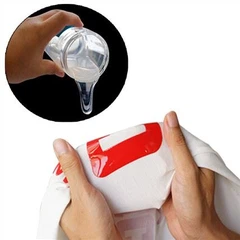


In the dynamic world of printing and graphic arts, transfer glue stands as a pivotal component, enabling the seamless transfer of designs onto various substrates. As a dedicated transfer glue supplier, I've witnessed firsthand the evolution of this industry, from the early days of rudimentary transfer methods to the sophisticated techniques we employ today. One question that frequently arises in discussions with customers and industry peers is whether transfer glue is eco - friendly. In this blog, we'll delve into the scientific aspects of transfer glue, explore its environmental impact, and examine the steps being taken to make it more sustainable.
Understanding Transfer Glue
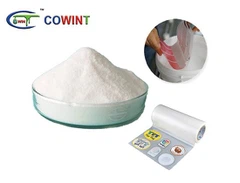
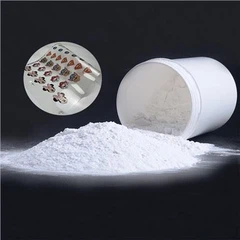
Transfer glue is a specialized adhesive designed to facilitate the transfer of printed designs from a carrier medium to a final substrate. It plays a crucial role in a variety of applications, including heat transfer printing, direct - to - film (DTF) printing, and more. The glue must adhere well to both the carrier and the substrate, ensuring that the design is transferred cleanly and without distortion.
There are different types of transfer glue, each with its own unique properties and applications. For example, some glues are formulated for use with Heat Transfer Materials, which are commonly used in the textile industry to create custom - printed apparel. These materials often require a glue that can withstand high temperatures during the transfer process while maintaining excellent adhesion.
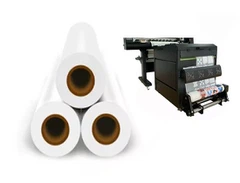
On the other hand, Special DTF Film and HOT PEEL SINGLE MATTE DTF FILM rely on specific types of transfer glue to ensure a smooth and efficient transfer of designs. DTF printing has gained popularity in recent years due to its versatility and ability to produce high - quality prints on a wide range of substrates.
Environmental Impact of Traditional Transfer Glue
Traditional transfer glues have often been associated with certain environmental concerns. Many of these glues are solvent - based, which means they contain volatile organic compounds (VOCs). VOCs are chemicals that can evaporate into the air at room temperature, contributing to air pollution and potentially posing health risks to humans.
When solvent - based transfer glues are used in large - scale printing operations, the release of VOCs can be significant. These emissions can contribute to the formation of ground - level ozone, a major component of smog, and can also have adverse effects on indoor air quality in printing facilities.
In addition to VOC emissions, the production and disposal of traditional transfer glues can also have environmental implications. The manufacturing process may involve the use of non - renewable resources and generate waste products that can be difficult to manage. Moreover, improper disposal of used glue containers and leftover glue can lead to soil and water contamination.
Advancements in Eco - Friendly Transfer Glue
Recognizing the environmental challenges associated with traditional transfer glues, the industry has been actively working on developing more sustainable alternatives. One of the most significant advancements has been the shift towards water - based transfer glues.
Water - based transfer glues are formulated using water as the primary solvent instead of organic solvents. This significantly reduces the emission of VOCs, making them a much more environmentally friendly option. These glues also tend to have lower odor levels, which can improve the working conditions in printing facilities.
In addition to being more eco - friendly, water - based transfer glues can offer comparable performance to their solvent - based counterparts. They can provide strong adhesion, good flexibility, and excellent resistance to washing and abrasion, making them suitable for a wide range of applications.
Another area of innovation is the development of bio - based transfer glues. These glues are made from renewable resources such as plant - derived polymers, which reduces the reliance on non - renewable fossil fuels. Bio - based glues can also be biodegradable, meaning they can break down naturally over time, reducing their impact on the environment.
Furthermore, some manufacturers are focusing on improving the efficiency of the production process for transfer glues. By optimizing the use of raw materials and reducing waste, they can minimize the environmental footprint of glue production.
Assessing the Eco - Friendliness of Transfer Glue
When evaluating the eco - friendliness of transfer glue, it's important to consider several factors. First and foremost, the type of solvent used in the glue is a key indicator. As mentioned earlier, water - based and bio - based glues are generally more eco - friendly than solvent - based glues.
The energy consumption during the production process is also an important consideration. Glues that are produced using energy - efficient methods and renewable energy sources are more sustainable. Additionally, the recyclability and biodegradability of the glue and its packaging can have a significant impact on its overall environmental footprint.
Certifications and standards can also provide valuable information about the eco - friendliness of transfer glue. Look for products that have been certified by recognized organizations such as the Forest Stewardship Council (FSC) or the Green Seal. These certifications indicate that the glue has met certain environmental criteria and has been produced in an environmentally responsible manner.
The Future of Eco - Friendly Transfer Glue
The demand for eco - friendly transfer glue is expected to continue to grow in the coming years as consumers and businesses become more environmentally conscious. As a result, we can expect to see further advancements in the development of sustainable transfer glue technologies.


Research is underway to improve the performance of water - based and bio - based transfer glues even further. This may involve the development of new polymers and additives that can enhance the adhesion, durability, and flexibility of these glues.
In addition, the industry is likely to see increased collaboration between glue manufacturers, printing companies, and environmental organizations to promote the use of eco - friendly transfer glue. This could include initiatives to educate consumers and businesses about the benefits of sustainable printing practices and to encourage the adoption of more environmentally friendly products.
Conclusion
As a transfer glue supplier, I'm excited about the progress that has been made in developing eco - friendly transfer glues. The shift towards water - based and bio - based glues represents a significant step forward in reducing the environmental impact of the printing industry.
However, there is still room for improvement. We need to continue to invest in research and development to further enhance the performance and sustainability of transfer glues. By working together, we can ensure that the transfer glue we use is not only effective but also environmentally responsible.
If you're interested in learning more about our eco - friendly transfer glue products or have any questions about our offerings, I encourage you to reach out to us. We're always happy to discuss your specific needs and help you find the right solution for your printing projects. Whether you're a small - scale printer or a large - scale manufacturer, we're committed to providing you with high - quality, sustainable transfer glue options.
References
- American Chemical Society. (2023). Environmental Impact of Adhesives.
- International Printing Technologies Association. (2022). Sustainable Printing Practices: A Guide for the Industry.
- United Nations Environment Programme. (2021). Global Outlook on Chemicals and Waste Management.