










Hey there! I'm an ODM 3D Transfer supplier, and today I wanna chat about the cost - effectiveness analysis methods for ODM 3D Transfer. Cost - effectiveness is super important in our business, as it helps us make smart decisions and offer the best value to our customers.
Understanding the Basics of ODM 3D Transfer
Before we dive into the cost - effectiveness analysis, let's quickly go over what ODM 3D Transfer is. ODM 3D Transfer is a process that allows us to transfer high - quality, three - dimensional designs onto various substrates. This technology is widely used in industries like fashion, automotive, and consumer electronics to add unique and eye - catching elements to products.
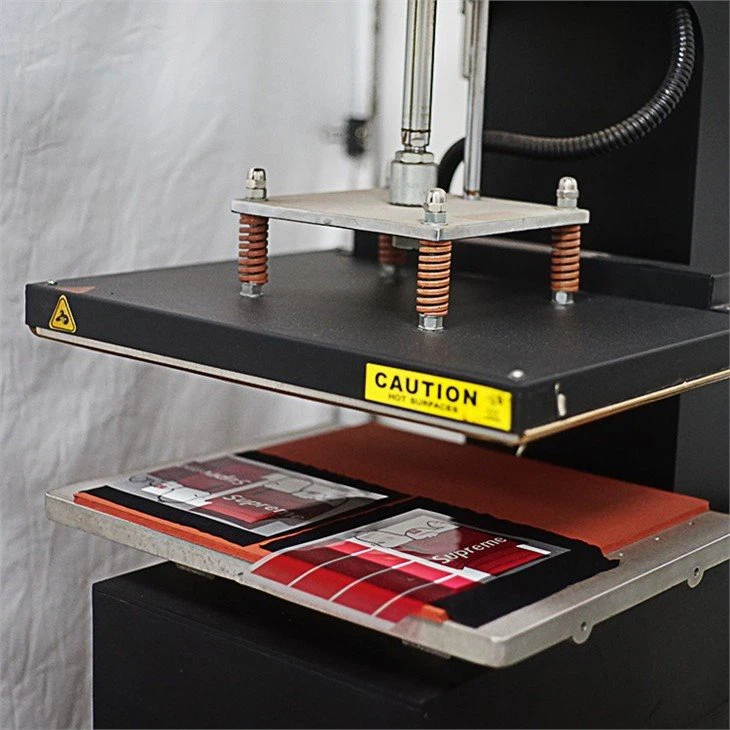

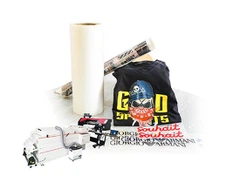
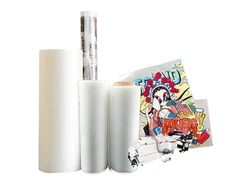
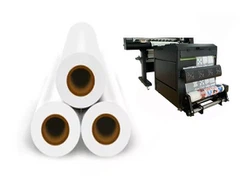
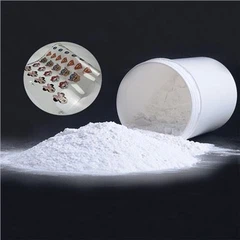
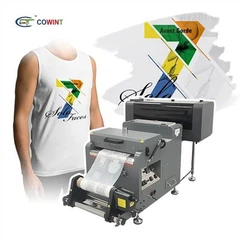
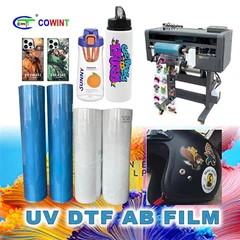
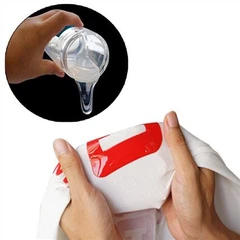
We use different materials in ODM 3D Transfer, such as Transfer Sheet, Hot Fix Tape, and COLD PEEL DOUBLE MATTE DTF FILM. Each material has its own characteristics, costs, and benefits, which we need to consider when doing a cost - effectiveness analysis.
Cost - Effectiveness Analysis Methods
1. Cost - Benefit Analysis
The first and probably the most well - known method is the cost - benefit analysis. In this method, we compare the total costs of the ODM 3D Transfer process with the benefits it brings.
Costs:
- Material Costs: This includes the cost of the transfer sheets, tapes, and films. For example, the Transfer Sheet might have a different price depending on its quality, size, and design complexity.
- Labor Costs: The time and effort required to operate the 3D transfer equipment, set up the designs, and handle the substrates. Skilled labor might cost more, but it can also lead to better - quality results.
- Equipment Costs: The initial investment in the 3D transfer machines, as well as the maintenance and repair costs over time.
Benefits:
- Increased Product Value: Products with 3D transfers often have a higher perceived value in the market, which can lead to higher selling prices.
- Enhanced Brand Image: Unique 3D designs can help a brand stand out from the competition, increasing brand recognition and customer loyalty.
- Market Expansion: The ability to offer 3D - transferred products might open up new market segments that were previously inaccessible.
To calculate the cost - benefit ratio, we divide the total benefits by the total costs. A ratio greater than 1 indicates that the benefits outweigh the costs, making the ODM 3D Transfer a cost - effective option.
2. Life - Cycle Cost Analysis
Life - cycle cost analysis takes a more long - term view of the ODM 3D Transfer process. It considers all the costs associated with a product from its inception to its disposal.
Stages in the Life Cycle:
- Design and Development: This includes the cost of creating the 3D designs, testing different materials and processes, and making any necessary adjustments.
- Production: The costs we mentioned earlier, such as material, labor, and equipment costs.
- Distribution and Marketing: The cost of transporting the 3D - transferred products to the market and promoting them to potential customers.
- Use and Maintenance: If the product requires any maintenance during its use, we need to factor in those costs as well.
- Disposal: At the end of the product's life, there might be costs associated with proper disposal or recycling.
By considering the entire life cycle, we can identify areas where we can reduce costs without sacrificing the quality or functionality of the 3D - transferred products. For example, using more environmentally friendly materials might increase the initial cost but reduce the disposal costs and improve the brand's environmental image.
3. Payback Period Analysis
The payback period analysis focuses on how long it takes for the initial investment in the ODM 3D Transfer process to be recovered through the benefits it generates.
We calculate the payback period by dividing the initial investment by the annual net cash flow (the difference between the annual benefits and the annual costs). A shorter payback period is generally more desirable, as it means we can recoup our investment faster and start making a profit.
For example, if we invest $100,000 in a new 3D transfer machine and the annual net cash flow is $20,000, the payback period is 5 years ($100,000 / $20,000).
Factors Affecting Cost - Effectiveness
1. Volume of Production
The volume of products we produce using ODM 3D Transfer has a significant impact on cost - effectiveness. In general, higher production volumes can lead to lower per - unit costs. This is because many of the fixed costs, such as equipment and design costs, can be spread over a larger number of units.
For example, if we produce 100 units of a 3D - transferred product, the per - unit cost of the design might be relatively high. But if we increase the production volume to 1000 units, the per - unit design cost will decrease significantly.
2. Quality Requirements
The quality requirements of the 3D - transferred products also affect cost - effectiveness. Higher - quality products often require more expensive materials and more skilled labor, which can increase the costs. However, they can also command higher prices in the market, leading to greater benefits.
We need to find the right balance between quality and cost. Sometimes, a slightly lower - quality product that still meets the basic requirements of the customer can be a more cost - effective option.
3. Technological Advancements
New technologies in ODM 3D Transfer can have a major impact on cost - effectiveness. For example, the development of more efficient transfer machines can reduce labor costs and increase production speed. Similarly, the introduction of new materials with better performance and lower costs can improve the overall cost - benefit ratio.
We need to stay updated on the latest technological trends and be willing to invest in new technologies when they offer a clear cost - effectiveness advantage.
Conclusion
In conclusion, cost - effectiveness analysis is crucial for ODM 3D Transfer suppliers like me. By using methods such as cost - benefit analysis, life - cycle cost analysis, and payback period analysis, we can make informed decisions about our production processes, materials, and investments.
We also need to consider factors like production volume, quality requirements, and technological advancements to ensure that we are getting the most out of our ODM 3D Transfer operations.
If you're interested in ODM 3D Transfer and want to discuss how we can work together to achieve cost - effective solutions for your products, don't hesitate to reach out. Let's have a chat and see how we can bring your 3D design ideas to life in the most cost - effective way possible.
References
- "Cost - Benefit Analysis: A Primer" by the Government of Canada.
- "Life - Cycle Costing: Principles and Practice" by the Society of Cost Estimating and Analysis.