








Hey there! As a transfer powder supplier, I often get asked a bunch of questions about our products. One of the most common ones is, "Can transfer powder be used alone?" Well, let's dive right into this topic and break it down for you.
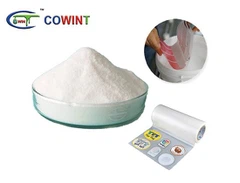
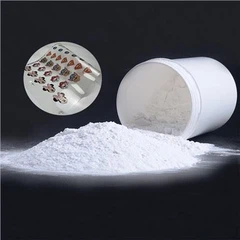
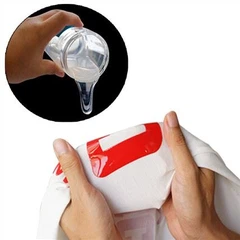
First off, let's talk a bit about what transfer powder is. Transfer powder is a crucial component in the transfer - printing process. It plays a key role in helping to transfer designs onto various substrates, like fabrics, plastics, and even some metals. The powder has unique properties that allow it to adhere to inks and then transfer the design when heat and pressure are applied.
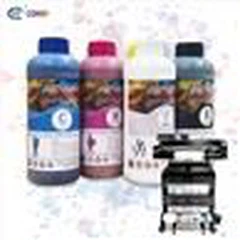
Now, to answer the question of whether transfer powder can be used alone. In most cases, the answer is no. Transfer powder typically works in conjunction with other materials in the transfer - printing process. For instance, it needs to be used with an appropriate ink. The ink is what actually creates the design you want to transfer, and the transfer powder acts as a kind of helper to make sure that design sticks to the final substrate.
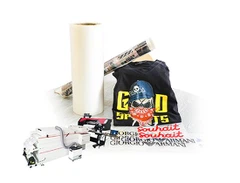
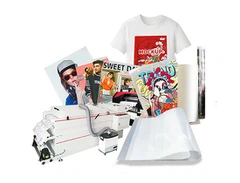
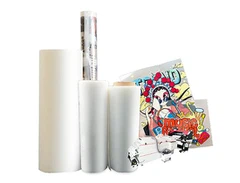
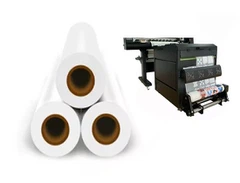
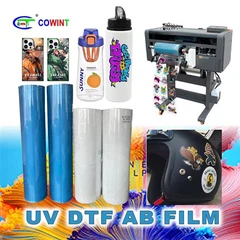
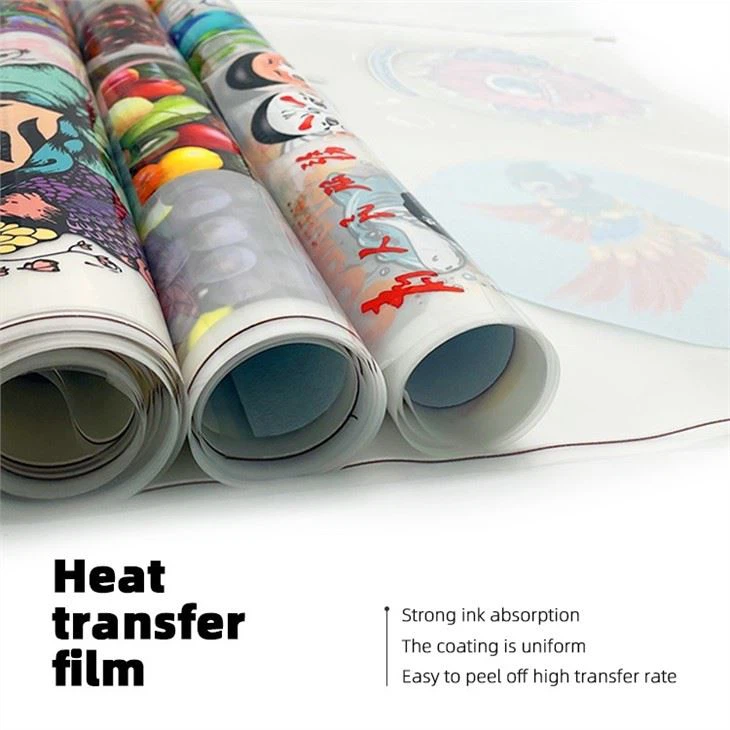
Let's take a look at the complete transfer - printing process step - by - step. First, you start by printing your desired design onto a special transfer medium. This could be something like DTF Clear Pet Film. The DTF Clear Pet Film is really popular because it provides a smooth surface for the ink to be printed on, and it also helps in the easy transfer of the design later on.
Once the design is printed on the transfer medium, the next step is to apply the transfer powder. The powder is sprinkled over the wet ink. It adheres to the ink due to the ink's sticky properties at that stage. Then, any excess powder is removed, usually by shaking or brushing.
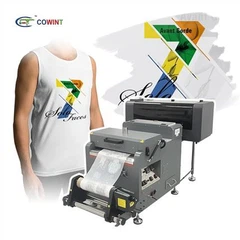
After the powder is applied and the excess is removed, the transfer medium with the powder - covered design is placed on the substrate you want to transfer the design to. This could be a t - shirt, a tote bag, or any other item that can withstand heat. Then, heat and pressure are applied. The heat melts the transfer powder, which in turn helps the ink to bond with the substrate. This is where High - density Transfer Print techniques come into play. High - density printing can result in a more detailed and long - lasting transfer, and the transfer powder is an essential part of making that happen.
If you were to try to use transfer powder alone, without the ink and the proper transfer medium, there wouldn't be a design to transfer in the first place. The powder doesn't have the ability to create a design on its own. It's like trying to build a house without bricks - the transfer powder is important, but it needs other elements to work effectively.
Another reason why transfer powder can't be used alone is that it needs the ink to act as a sort of glue between the powder and the substrate. The ink has a chemical composition that allows it to bond with both the powder and the substrate material. Without the ink, the transfer powder wouldn't be able to stick to the substrate properly, and the design wouldn't stay on for very long.
However, there are some special circumstances where you might think of transfer powder in a bit more of a solo way. For example, if you're doing some form of touch - up work on a previously transferred design. You could use a very small amount of transfer powder to enhance certain parts of the design that might be looking a bit faded. But even in this case, it's still relying on the existing ink and the previous transfer process.
Now, let's talk about some of the different types of transfer powder and how they interact with other materials. There are various brands and formulas of transfer powder, each with its own set of characteristics. Some are designed to work better with certain types of inks or substrates. For example, if you're using Heat Transfer Pet Paper, you'll want to choose a transfer powder that is compatible with the properties of that paper and the ink you're using.
When choosing a transfer powder, it's important to consider factors like the melting point. The melting point of the transfer powder needs to match the temperature at which you'll be applying heat during the transfer process. If the melting point is too high, the powder might not melt properly, and the transfer won't work. If it's too low, the powder might melt too quickly and cause problems with the transfer quality.
In addition, the fineness of the transfer powder can also affect the transfer process. A finer powder might provide a more detailed and smooth - looking transfer, while a coarser powder could give a more textured or rustic look, depending on what you're going for in your design.
So, to sum it all up, while transfer powder is a super important part of the transfer - printing process, it generally can't be used alone. It needs to be used in combination with ink, a transfer medium, and heat and pressure to create a successful transfer. But don't let that stop you from experimenting with different techniques and materials to get the best results for your specific projects.
If you're interested in buying transfer powder or need more information about how it can work in your transfer - printing setup, don't hesitate to reach out. We're here to help you find the right products for your needs and answer any questions you might have. Whether you're a small - scale crafter or a large - scale printing business, we've got the transfer powder solutions for you. Contact us to start a discussion about your transfer - printing requirements and see how we can help you achieve amazing results.

References
- Industry knowledge and experience in the transfer - printing field
- Research on transfer - powder performance and applications