











As a supplier of transfer powder, I often receive inquiries from customers about the safety and applicability of our products, especially when it comes to using them on children's skin. This is a crucial question that requires a comprehensive and scientifically - based answer. In this blog, I will delve into the topic to provide you with a clear understanding of whether transfer powder can be used on children's skin.
Understanding Transfer Powder
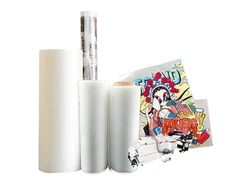
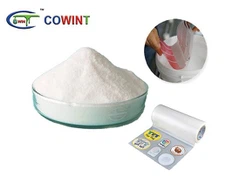
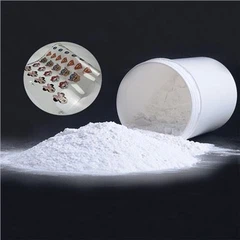
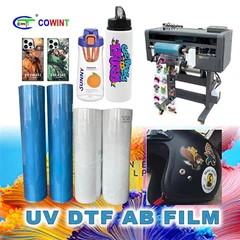
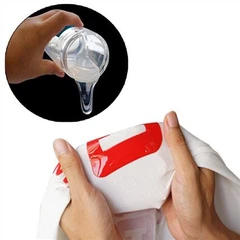
Transfer powder is a key component in various transfer printing technologies. It is used in combination with different transfer media such as Heat Transfer Pet Paper, COLD PEEL SINGLE MATTE DTF FILM, and High - density Transfer Print. The powder helps in creating durable and high - quality prints on different surfaces, including fabrics.
The most common types of transfer powder are made from a variety of materials, including polymers, resins, and pigments. These materials are carefully formulated to ensure proper adhesion and colorfastness during the transfer process. However, when considering using transfer powder on children's skin, we need to look at several factors, such as the chemical composition, potential allergens, and safety standards.
Chemical Composition and Safety
The chemical composition of transfer powder is a primary concern when it comes to skin contact, especially for children. Children's skin is much more delicate and sensitive than adult skin. It has a thinner epidermis, which means it can absorb substances more easily and is more prone to irritation and allergic reactions.
Most transfer powders on the market are designed for use on fabrics and other hard surfaces. The chemicals used in these powders may not be suitable for direct skin contact. For example, some pigments in transfer powder may contain heavy metals such as lead, mercury, or cadmium. These heavy metals can be toxic and harmful to children's health, especially if they are absorbed through the skin over a long period.
In addition, the polymers and resins in transfer powder may cause skin irritation. Some people, including children, may be allergic to certain types of polymers, which can lead to symptoms such as redness, itching, swelling, and even blistering. Therefore, it is essential to check the chemical composition of the transfer powder and ensure that it does not contain any harmful substances before considering using it on children's skin.
Safety Standards and Regulations
When it comes to products that come into contact with children's skin, there are strict safety standards and regulations in place. In many countries, products for children must comply with specific requirements regarding chemical content, labeling, and testing. For example, the European Union has the REACH regulation, which restricts the use of certain hazardous chemicals in products. The United States has the Consumer Product Safety Improvement Act (CPSIA), which sets limits on lead and other harmful substances in children's products.
As a transfer powder supplier, we are committed to producing products that meet the highest safety standards. Our transfer powders are regularly tested to ensure that they do not contain any prohibited substances. However, even though our products meet the safety requirements for fabric use, it does not necessarily mean they are suitable for direct skin contact, especially on children.
Alternatives for Skin - Friendly Transfers
If you are looking to create transfers on children's clothing or accessories that are safe for their skin, there are some alternatives available. One option is to use water - based transfer powders. These powders are generally less likely to cause skin irritation because they do not contain harsh chemicals or solvents.
Another alternative is to use natural or organic pigments in the transfer powder. Natural pigments are derived from plants, minerals, or other natural sources and are often considered safer for skin contact. However, it is still important to test these products on a small area of the child's skin first to check for any allergic reactions.
Case Studies and Research
There is limited research specifically focused on the use of transfer powder on children's skin. However, there have been studies on the safety of similar printing materials and chemicals. For example, a study published in the Journal of Pediatric Dermatology found that some printing inks used on children's clothing can cause skin irritation. The study recommended that parents should be cautious when choosing clothing with printed designs for their children.
In a case study, a child developed a skin rash after wearing a t - shirt with a transfer - printed design. The rash was found to be caused by an allergic reaction to one of the chemicals in the transfer powder. This case highlights the importance of being vigilant when it comes to using transfer powder on children's clothing or near their skin.
Conclusion
In conclusion, while transfer powder is a useful product for creating high - quality prints on fabrics, it is generally not recommended to use it directly on children's skin. The chemical composition of transfer powder may pose risks such as skin irritation, allergic reactions, and exposure to harmful substances. However, if you still want to create transfers on children's clothing or accessories, you can choose skin - friendly alternatives and ensure that the products meet the necessary safety standards.
As a transfer powder supplier, we are dedicated to providing our customers with safe and high - quality products. If you have any questions or need more information about our transfer powder or alternatives for skin - friendly transfers, please feel free to contact us for procurement and further discussions. We are always ready to assist you in finding the best solutions for your printing needs.


References
- Journal of Pediatric Dermatology. "Safety of printing inks on children's clothing."
- Consumer Product Safety Improvement Act (CPSIA) in the United States.
- REACH regulation in the European Union.