






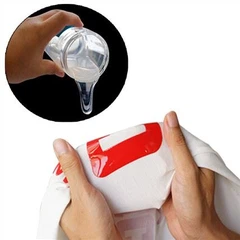


Transfer adhesive spills can be a real headache, whether you're a professional in the printing industry or a DIY enthusiast. As a supplier of transfer adhesives, I've seen firsthand the challenges that come with cleaning up these spills. In this blog post, I'll share some effective methods and tips on how to clean up transfer adhesive spills, based on my experience and industry knowledge.
Understanding Transfer Adhesives
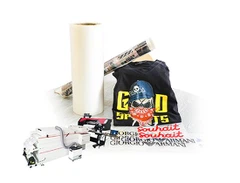
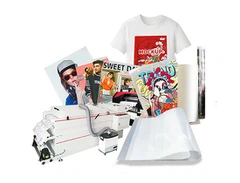
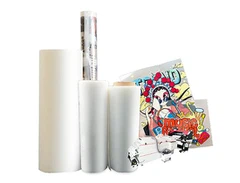
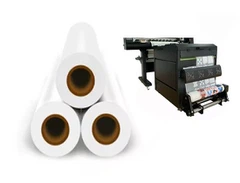
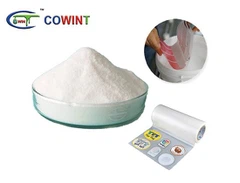
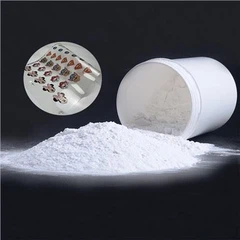
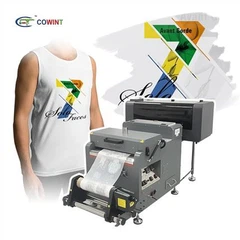
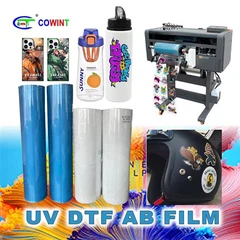
Before we dive into the cleaning methods, it's important to understand what transfer adhesives are and how they work. Transfer adhesives are used to transfer designs or images from one surface to another, typically through heat or pressure. They come in various forms, such as films, tapes, and liquids, and are commonly used in applications like Single Matte Heat Transfer DTF Pet Film, High-density Transfer Print, and Heat Transfer.


Transfer adhesives are designed to bond strongly to surfaces, which is great for achieving a long-lasting transfer. However, this also means that they can be difficult to remove once they've spilled. The type of adhesive and the surface it has spilled on will determine the best cleaning method to use.
Cleaning Up Transfer Adhesive Spills on Different Surfaces
1. Hard Surfaces (e.g., Metal, Glass, Plastic)
- Warm Soapy Water: For fresh spills on hard surfaces, start by wiping up as much of the adhesive as possible with a paper towel or cloth. Then, mix a solution of warm water and mild dish soap. Dip a clean cloth or sponge into the soapy water and gently scrub the affected area. Rinse the surface with clean water and dry it with a towel.
- Isopropyl Alcohol: If the soapy water doesn't remove all of the adhesive, you can try using isopropyl alcohol. Moisten a cloth with the alcohol and gently rub the adhesive spill. The alcohol will help dissolve the adhesive, making it easier to wipe away. Be sure to test the alcohol on a small, inconspicuous area of the surface first to make sure it doesn't cause any damage.
- Adhesive Removers: There are also commercial adhesive removers available that are specifically designed to remove transfer adhesives. Follow the instructions on the product label carefully and use the remover in a well-ventilated area. Apply the remover to the adhesive spill and let it sit for the recommended amount of time. Then, use a cloth or scraper to remove the softened adhesive.
2. Fabric Surfaces
- Freezing Method: If the transfer adhesive has spilled on fabric, one effective method is to freeze it. Place the fabric in a plastic bag and seal it tightly. Then, put the bag in the freezer for a few hours until the adhesive becomes hard and brittle. Once the adhesive is frozen, take the fabric out of the freezer and gently scrape off the adhesive with a dull knife or spoon.
- Stain Removers: After scraping off as much of the adhesive as possible, you can treat the remaining stain with a fabric stain remover. Follow the instructions on the stain remover product and test it on a small, hidden area of the fabric first. Apply the stain remover to the affected area and let it sit for the recommended time. Then, wash the fabric as usual.
- Professional Cleaning: For stubborn adhesive stains on delicate or valuable fabrics, it may be best to take the fabric to a professional cleaner. They have the expertise and equipment to safely remove the adhesive without damaging the fabric.
3. Carpet Surfaces
- Blotting: As soon as you notice a transfer adhesive spill on the carpet, use a clean, white cloth or paper towel to blot up as much of the adhesive as possible. Avoid rubbing the spill, as this can spread the adhesive and make the stain worse.
- Vinegar Solution: Mix a solution of equal parts white vinegar and water. Dip a clean cloth into the vinegar solution and gently blot the adhesive spill. The vinegar will help break down the adhesive and lift it from the carpet fibers. Rinse the area with clean water and blot dry.
- Carpet Cleaner: If the vinegar solution doesn't remove the stain, you can use a carpet cleaner. Follow the instructions on the carpet cleaner product and test it on a small, hidden area of the carpet first. Apply the cleaner to the affected area and use a carpet brush or sponge to work it into the fibers. Let the cleaner sit for the recommended time, then rinse the area with clean water and blot dry.
Preventing Transfer Adhesive Spills
Prevention is always better than cure when it comes to transfer adhesive spills. Here are some tips to help you prevent spills from happening in the first place:
- Use Proper Equipment: Make sure you're using the right tools and equipment for the job. This includes applicators, brushes, and dispensers that are designed for transfer adhesives.
- Work in a Clean and Organized Space: Keep your work area clean and free of clutter. This will reduce the risk of accidentally knocking over adhesive containers or spilling them.
- Follow Safety Procedures: Wear appropriate protective gear, such as gloves and goggles, when working with transfer adhesives. This will protect you from any potential spills and ensure your safety.
- Store Adhesives Properly: Store transfer adhesives in a cool, dry place and keep them tightly sealed when not in use. This will prevent the adhesives from drying out or leaking.
Conclusion
Cleaning up transfer adhesive spills can be a challenging task, but with the right methods and tools, it can be done effectively. By understanding the type of adhesive and the surface it has spilled on, you can choose the best cleaning method to use. Remember to always test any cleaning solution on a small, inconspicuous area first to make sure it doesn't cause any damage.
As a transfer adhesive supplier, I'm committed to providing high-quality products and excellent customer service. If you have any questions about our transfer adhesives or need help with cleaning up spills, please don't hesitate to contact me. We're here to assist you with all your transfer printing needs and look forward to discussing potential procurement opportunities with you.
References
- "Adhesive Removal Guide." The Spruce.
- "How to Remove Adhesive from Different Surfaces." Bob Vila.
- "Cleaning Carpet Stains." Apartment Therapy.