













When it comes to hot fix tape, one of the most frequently asked questions we encounter as a supplier is whether hot fix tape shrinks over time. In this blog post, we'll delve into the science behind hot fix tape, explore the factors that could potentially lead to shrinkage, and provide insights based on our industry experience.
Understanding Hot Fix Tape
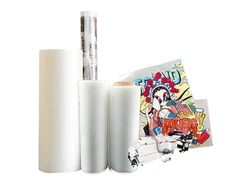
Hot fix tape is a versatile material widely used in various applications, especially in the transfer - printing industry. It serves as an adhesive medium that allows designs and patterns to be transferred onto different substrates such as fabrics, plastics, and metals. Transfer Printing Material often includes hot fix tape as a key component in achieving high - quality transfers.
The tape is typically designed to work under the influence of heat and pressure. When heat is applied, the adhesive on the tape softens and adheres to the surface, while the design or pattern on the tape is transferred to the substrate. This process is essential for creating vivid and long - lasting prints on a variety of materials.
The Science of Shrinkage
To understand whether hot fix tape shrinks over time, we need to look at the materials it is made of. Most hot fix tapes are composed of a base layer, an adhesive layer, and sometimes a top - coating layer. Each of these layers can respond differently to environmental factors, which may potentially lead to shrinkage.
Base Layer
The base layer of hot fix tape is usually made of a polymer material. Polymers are known for their viscoelastic properties, which means they can deform under stress and return to their original shape to some extent. However, if exposed to certain conditions such as high temperatures, humidity, or chemical agents for a long time, the polymer chains in the base layer can undergo physical and chemical changes.
For example, at high temperatures, the kinetic energy of the polymer molecules increases, causing them to move more freely. This can lead to a rearrangement of the polymer chains and a reduction in the volume of the material, resulting in shrinkage. Similarly, prolonged exposure to high humidity can cause the polymer to absorb moisture, which may swell the material initially, but as the moisture evaporates, shrinkage can occur.
Adhesive Layer
The adhesive layer is crucial for the functionality of hot fix tape. It is designed to bond the tape to the substrate under heat and pressure. Some adhesives are sensitive to environmental factors as well. For instance, if an adhesive contains solvents, over time, these solvents may evaporate, leading to a change in the adhesive's volume and potentially causing shrinkage of the tape.
Moreover, the curing process of the adhesive can also affect shrinkage. If the adhesive has not fully cured during the initial application, it may continue to cross - link over time, which can cause internal stresses within the tape and result in shrinkage.
Factors Affecting Shrinkage
Several factors can influence whether hot fix tape shrinks over time. Let's take a closer look at some of the most significant ones.
Temperature
Temperature is one of the primary factors that can cause shrinkage in hot fix tape. As mentioned earlier, high temperatures can cause the polymer chains in the base layer to rearrange and the solvents in the adhesive to evaporate. Even normal ambient temperatures can have an impact over an extended period. For example, if the tape is stored in a hot environment, it may gradually shrink due to the thermal expansion and subsequent contraction of the materials.
Humidity
Humidity plays a crucial role in the stability of hot fix tape. A high - humidity environment can cause the tape to absorb moisture, which may lead to swelling followed by shrinkage when the moisture is lost. On the other hand, low - humidity conditions can cause the tape to dry out, which can also result in shrinkage due to the loss of moisture within the polymer and adhesive layers.
Storage Conditions
Proper storage is essential to prevent shrinkage of hot fix tape. If the tape is stored in direct sunlight, the UV rays can break down the polymer chains in the base layer, leading to degradation and shrinkage. Additionally, storing the tape in a compressed or bent state for a long time can cause internal stresses that may result in shrinkage once the tape is released.
Time
Simply put, the longer the hot fix tape is exposed to various environmental factors, the more likely it is to shrink. Over time, the cumulative effect of temperature, humidity, and other factors can cause significant changes in the tape's structure, leading to shrinkage.
Our Experience as a Supplier
Based on our experience as a hot fix tape supplier, we have observed that shrinkage is not a universal phenomenon. In most cases, when the tape is stored and used under proper conditions, shrinkage is minimal or non - existent.


We take great care in the manufacturing process to ensure the quality and stability of our hot fix tapes. Our quality control team conducts regular tests on the tapes, monitoring their performance under different environmental conditions. We also provide detailed storage and usage instructions to our customers to help them prevent issues such as shrinkage.
For example, we recommend storing the hot fix tape in a cool, dry place away from direct sunlight. When using the tape, following the recommended temperature and pressure settings for the transfer process is crucial to ensure a proper bond and reduce the risk of shrinkage.
How to Minimize Shrinkage
If you are using hot fix tape for your projects, here are some tips to minimize the risk of shrinkage:
- Store the tape at a stable temperature between 20 - 25°C (68 - 77°F) and a relative humidity of 40 - 60%.
- Keep the tape in its original packaging until you are ready to use it to protect it from environmental factors.
- Follow the manufacturer's instructions carefully when applying the tape. Use the correct temperature, pressure, and time settings for the transfer process.
- If possible, test the tape on a small area before applying it to a large project to ensure that there are no issues with shrinkage or adhesion.
Related Products and Their Impact on Shrinkage
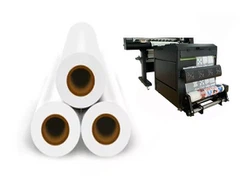
In the transfer - printing industry, hot fix tape is often used in conjunction with other products such as Hot peel single matte DTF Film and Cowint DTF Film Heat Transfer Direct To Film. These products can also affect the overall shrinkage of the transfer.
For example, the compatibility between the hot fix tape and the DTF film is crucial. If the two materials have different coefficients of thermal expansion, it can lead to differential shrinkage, which may result in warping or peeling of the transfer. Therefore, it is essential to choose products that are designed to work well together to minimize these issues.
Conclusion
In conclusion, while hot fix tape can potentially shrink over time, the likelihood and extent of shrinkage depend on various factors such as temperature, humidity, storage conditions, and the quality of the tape itself. As a supplier, we are committed to providing high - quality hot fix tapes that are resistant to shrinkage and other issues.
If you are in the market for hot fix tape or other transfer - printing materials, we invite you to contact us for more information and to discuss your specific needs. Our team of experts is ready to assist you in finding the best solutions for your projects. Whether you are a small - scale crafter or a large - scale manufacturer, we have the products and knowledge to support you.
References
- Polymer Science: An Introduction, by Fred W. Billmeyer, Jr.
- Handbook of Adhesive Technology, edited by Andrew Pizzi and K.L. Mittal.
- Transfer Printing Techniques and Materials: A Comprehensive Guide.