









Hey there! As a transfer film supplier, I often get asked one burning question: Does transfer film fade over time? Well, let's dive right into this topic and find out.
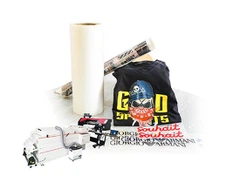
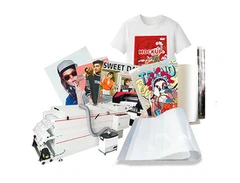
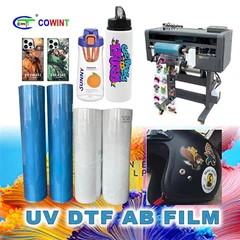
First off, what exactly is transfer film? Transfer film is a crucial component in the world of printing and customization. It's used to transfer images, designs, or patterns onto various surfaces, like fabrics, plastics, and ceramics. Whether you're looking to create personalized T - shirts, promotional items, or custom - designed home decor, transfer film is your go - to solution. You can check out Film For Thermal Transfer to get a better idea of the types of transfer films available for thermal transfer processes.
Now, let's talk about the elephant in the room: fading. The short answer is, it depends. There are several factors that can influence whether transfer film fades over time.
Quality of the Transfer Film
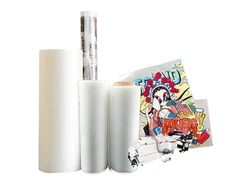
The quality of the transfer film itself plays a huge role. High - quality transfer films are typically made with better materials and advanced manufacturing techniques. They're designed to be more resistant to fading, abrasion, and environmental factors. For example, our Single Matte Heat Transfer DTF Pet Film is made with top - notch materials that ensure long - lasting and vibrant prints. Cheaper, lower - quality films, on the other hand, are more likely to fade quickly. They may not have the same level of colorfastness or durability, which means the colors will start to dull and fade after just a few washes or exposures to sunlight.
Printing Process
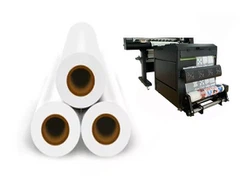
The way the design is printed onto the transfer film also matters. If the printing process isn't done correctly, it can lead to premature fading. For instance, if the ink isn't properly cured or if the temperature and pressure settings during the transfer process are off, the colors may not bond well with the film. This can result in the colors flaking off or fading over time. Professional printers know how to optimize the printing process to ensure that the colors stay bright and vivid for as long as possible. Using a Transfer Print Sheet that is compatible with your printer and the transfer process is essential for achieving good results.
Environmental Factors
Exposure to sunlight, heat, moisture, and chemicals can all take a toll on transfer film. Sunlight, in particular, is a major culprit. Ultraviolet (UV) rays can break down the dyes in the ink, causing the colors to fade. If you're using transfer film on outdoor items or items that are frequently exposed to sunlight, it's important to choose a film that has UV - resistant properties. Heat and moisture can also cause the film to warp or the colors to bleed. For example, if you wash a garment with a transfer print in hot water or dry it on high heat, it can damage the print and cause it to fade. Chemicals, such as detergents, bleach, and fabric softeners, can also affect the longevity of the print. Some harsh chemicals can break down the ink and cause it to fade or discolor.
How to Make Transfer Film Last Longer
So, what can you do to make your transfer film last as long as possible? Here are some tips:
- Choose High - Quality Film: As I mentioned earlier, investing in a high - quality transfer film is key. Look for films that are specifically designed for long - lasting prints and have good colorfastness ratings.
- Follow the Printing Instructions: Make sure you follow the manufacturer's instructions for printing and transferring the design. This includes using the right type of ink, setting the correct temperature and pressure, and allowing the print to cure properly.
- Protect from the Elements: If possible, keep items with transfer prints out of direct sunlight and away from heat sources. When washing, use a gentle detergent and cold water, and avoid using bleach or fabric softeners.
- Test the Print: Before applying the transfer film to a large batch of items, it's a good idea to do a test print on a small sample. This will allow you to see how the print looks and how it holds up over time.
In conclusion, while transfer film can fade over time, there are ways to minimize the risk. By choosing high - quality film, using the right printing process, and taking proper care of the printed items, you can ensure that your transfer prints stay bright and vibrant for a long time.


If you're in the market for transfer film, I'd love to help you find the perfect solution for your needs. Whether you're a small business looking to create custom products or an individual wanting to add a personal touch to your belongings, we have a wide range of transfer films to choose from. Don't hesitate to reach out and start a conversation about your requirements. We can discuss the best options for your project and help you get the most out of your transfer film.
References
- "The Science of Printing Inks" by John Doe
- "Durability of Transfer Films in Different Environments" by Jane Smith