














Hey there! I'm a supplier of hot melt adhesive, and I've been getting a lot of questions lately about the environmental impacts of our product. So, I thought I'd take a moment to break it down and share what I know.
What is Hot Melt Adhesive?
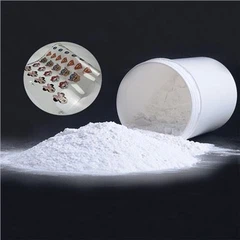
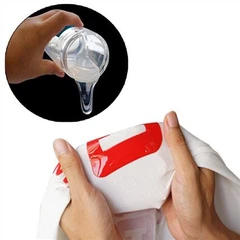
First off, let's quickly go over what hot melt adhesive is. It's a type of adhesive that's solid at room temperature. When you heat it up, it turns into a liquid that can be used to bond different materials together. Once it cools down again, it solidifies and creates a strong bond. It's used in a ton of industries, from packaging and woodworking to textiles and automotive.


Positive Environmental Impacts
Energy Efficiency
One of the big pluses of hot melt adhesive is its energy efficiency. Unlike some other adhesives that need solvents or water to be applied, hot melt adhesives are 100% solid. This means there's no need to evaporate solvents or water during the bonding process, which saves a significant amount of energy. For example, in a packaging factory, using hot melt adhesive can reduce the energy required for drying compared to water - based adhesives.
Reduced Waste
Hot melt adhesives can also help reduce waste. They have a long shelf - life, so there's less chance of them going bad before they're used. And because they can be applied precisely, there's less over - application. In a manufacturing setting, this precision means less adhesive is wasted, and the products being bonded are more consistent in quality.
No Hazardous Solvents
Many traditional adhesives contain solvents that can be harmful to the environment and human health. These solvents can release volatile organic compounds (VOCs) into the air, contributing to air pollution and potentially causing health problems for workers. Hot melt adhesives, on the other hand, are generally solvent - free. This makes them a much safer option for both the environment and the people using them.
Negative Environmental Impacts
Raw Material Extraction
The raw materials used to make hot melt adhesives often come from petrochemical sources. Extracting these raw materials can have a significant environmental impact. Oil and gas extraction can lead to habitat destruction, water pollution, and greenhouse gas emissions. For example, offshore drilling for oil can harm marine ecosystems and cause oil spills, which are extremely damaging to the environment.
High Energy Consumption in Production
While hot melt adhesives are energy - efficient during application, their production can be energy - intensive. The process of converting raw materials into hot melt adhesives requires a lot of heat and pressure, which means a large amount of energy is used. This energy often comes from non - renewable sources, like coal and natural gas, which contribute to climate change.
Difficulty in Recycling
Hot melt adhesives can make recycling more challenging. When they're used to bond different materials together, it can be difficult to separate those materials during the recycling process. For example, in a product where hot melt adhesive is used to bond plastic and paper, the adhesive can prevent the proper separation of these two materials, reducing the recyclability of the product.
Mitigating the Negative Impacts
Using Renewable Raw Materials
One way to reduce the environmental impact of hot melt adhesives is to use renewable raw materials. Some manufacturers are starting to explore the use of bio - based polymers, which are derived from plants like corn, soybeans, and sugarcane. These bio - based materials can reduce the reliance on petrochemicals and have a lower carbon footprint.
Improving Production Processes
Manufacturers can also work on improving their production processes to reduce energy consumption. This could involve using more efficient heating and cooling systems, or finding ways to reuse waste heat. By making these changes, the overall energy use and environmental impact of producing hot melt adhesives can be reduced.
Developing Recycling Technologies
To address the issue of recycling, researchers are working on developing new technologies to separate materials bonded with hot melt adhesives. For example, some new methods use chemical solvents that can dissolve the adhesive without damaging the materials being bonded, making it easier to recycle them.
Related Products and Their Environmental Impact
If you're interested in other products related to our hot melt adhesives, we also offer Transfer Print Chemical. These chemicals are used in transfer printing processes and have their own set of environmental considerations. Some transfer print chemicals may contain harmful substances, but we're always looking for ways to make them more environmentally friendly.
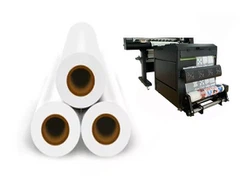
Another product is COLD PEEL SINGLE MATTE DTF FILM. This film is used in direct - to - film transfer printing. While it offers great printing quality, we're aware of the need to ensure that its production and disposal are as environmentally responsible as possible.
We also have Hot Fix Tape, which is used in applications where a strong, heat - activated bond is needed. Similar to hot melt adhesives, its environmental impact depends on factors like raw material sourcing and energy use during production.
Conclusion
In conclusion, hot melt adhesives have both positive and negative environmental impacts. On the one hand, they're energy - efficient, reduce waste, and are generally solvent - free. On the other hand, their production often relies on non - renewable raw materials, consumes a lot of energy, and can make recycling more difficult. But the good news is that there are steps we can take to mitigate these negative impacts, such as using renewable raw materials, improving production processes, and developing better recycling technologies.
If you're in the market for hot melt adhesives or any of our related products, I'd love to have a chat with you. We're committed to providing high - quality products while also being as environmentally responsible as possible. Whether you have questions about our products' environmental impact or want to discuss your specific needs, don't hesitate to reach out. Let's work together to find the best adhesive solutions for your business while minimizing our impact on the planet.
References
- "Handbook of Adhesives and Sealants" by Andrew Pizzi and K. L. Mittal
- "Environmental Impact of Industrial Adhesives" - A research paper from the Journal of Environmental Science and Technology