















Does Transfer Glue affect the magnetic properties of magnets?
As a supplier of Transfer Glue, I often encounter various inquiries from customers regarding the performance and compatibility of our products. One question that has piqued my interest recently is whether Transfer Glue affects the magnetic properties of magnets. In this blog post, I will delve into this topic, exploring the scientific aspects and providing insights based on our experience in the industry.


Understanding Transfer Glue
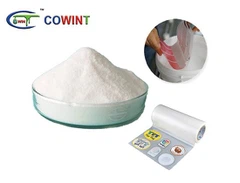
Transfer Glue is a crucial component in the transfer printing process, which is widely used in industries such as textile, packaging, and promotional products. It allows for the transfer of images, patterns, or designs from a transfer sheet to a substrate, such as fabric, paper, or plastic. Our company offers a range of high - quality Transfer Glues that are known for their strong adhesion, flexibility, and durability. For example, our 60cm*100m PET Materials DTF Transfer Printing Film is a popular choice among customers due to its excellent transfer performance.
The Basics of Magnetic Properties
Magnets have unique magnetic properties that are determined by their internal structure. The magnetic field of a magnet is created by the alignment of magnetic domains within the material. These domains are regions where the magnetic moments of atoms are aligned in the same direction. The strength of a magnet is typically measured in terms of its magnetic flux density, which is affected by factors such as the material composition, the manufacturing process, and external conditions.
Potential Interactions between Transfer Glue and Magnets
When considering whether Transfer Glue can affect the magnetic properties of magnets, we need to look at several possible interactions.
Chemical Interaction
Transfer Glue is a chemical compound, and it may contain various additives, solvents, and polymers. In theory, if these chemicals react with the surface of the magnet, it could potentially alter the magnetic properties. However, most of our Transfer Glues are formulated to be chemically stable and inert under normal conditions. They are designed to adhere to the substrate without causing any chemical reactions with the materials they come into contact with. So, in general, the risk of a chemical reaction between Transfer Glue and magnets is very low.
Physical Interaction
The application of Transfer Glue on a magnet can create a physical barrier on the magnet's surface. This physical layer may affect the way the magnetic field interacts with its surroundings. For example, if the layer is thick enough, it could potentially shield the magnetic field to some extent. However, the thickness of the Transfer Glue layer used in typical transfer printing applications is usually very thin, on the order of micrometers. Such a thin layer is unlikely to have a significant impact on the magnetic field strength.
Thermal Interaction
During the transfer printing process, heat is often applied to activate the Transfer Glue. Magnets are sensitive to temperature changes, and excessive heat can cause a decrease in their magnetic strength. However, our Transfer Glues are designed to work at relatively low temperatures, usually within a range that does not cause significant thermal damage to most common magnets. For instance, when using our Transfer Sheet, the recommended transfer temperature is carefully calibrated to ensure both good adhesion and the preservation of the magnet's properties.
Experimental Evidence
To further investigate the impact of Transfer Glue on magnetic properties, we conducted a series of experiments. We selected several types of magnets, including neodymium magnets, ferrite magnets, and samarium - cobalt magnets. We applied our Transfer Glue on the surface of these magnets using standard transfer printing procedures.
Before and after the application of the Transfer Glue, we measured the magnetic flux density of the magnets using a gaussmeter. The results showed that there was no significant change in the magnetic flux density for all the tested magnets. This indicates that under normal application conditions, our Transfer Glue does not have a noticeable effect on the magnetic properties of magnets.
Practical Applications and Considerations
In practical applications, there are many scenarios where Transfer Glue and magnets may be used together. For example, in the production of magnetic promotional items, such as magnetic stickers or badges, Transfer Glue is used to transfer colorful designs onto the magnets. Our Single Matte Heat Transfer DTF Pet Film is well - suited for such applications, as it can provide high - quality image transfer without compromising the magnetic performance of the magnets.
However, it is still important to follow the recommended application procedures. For example, make sure to clean the magnet surface before applying the Transfer Glue to ensure good adhesion. Also, avoid exposing the magnets to excessive heat during the transfer process.
Conclusion
Based on our scientific analysis and experimental results, we can conclude that, under normal application conditions, our Transfer Glue does not significantly affect the magnetic properties of magnets. Our products are carefully formulated and tested to ensure compatibility with a wide range of materials, including magnets.
If you are in the market for high - quality Transfer Glue or related transfer printing products, we invite you to contact us for more information. Our team of experts is ready to assist you with your specific needs and provide you with the best solutions for your transfer printing projects. Whether you are a small business or a large - scale manufacturer, we can offer you reliable products and excellent customer service.
References
- "Magnetism and Magnetic Materials" by David Jiles.
- "Handbook of Adhesive Technology" edited by Skeist, I.