













Color fastness is a crucial factor in the transfer print industry, as it directly affects the quality and durability of the printed products. As a leading transfer print ink supplier, we understand the significance of ensuring excellent color fastness for our customers. In this blog post, we will explore various aspects of how to ensure the color fastness of transfer print ink, covering factors such as ink formulation, printing process, and after - treatment.
1. Ink Formulation
The formulation of transfer print ink is the foundation for achieving good color fastness. Here are some key components and considerations in ink formulation:
Pigments
High - quality pigments are essential. Pigments should have good lightfastness, heat resistance, and chemical stability. Organic pigments are often preferred for their bright colors and wide color gamut, but they need to be carefully selected to ensure they can withstand the conditions of the transfer printing process. For example, some pigments may fade when exposed to high temperatures during the transfer process. Our R & D team spends a great deal of time researching and selecting the most suitable pigments for our inks, ensuring that they maintain their color integrity under various circumstances.
Binders
Binders play a vital role in adhering the pigments to the substrate. They should have strong adhesion properties and be resistant to abrasion, washing, and environmental factors. Acrylic - based binders are commonly used in transfer print inks due to their good flexibility, adhesion, and chemical resistance. By optimizing the ratio of binders to pigments in the ink formulation, we can improve the color fastness of the printed image. A proper binder - pigment ratio ensures that the pigments are firmly held in place on the substrate, reducing the risk of color loss during handling and use.
Additives
Additives can enhance the performance of transfer print inks. For example, anti - oxidants can prevent the pigments from oxidizing and fading over time. UV stabilizers can protect the inks from the damaging effects of ultraviolet light, which is one of the main causes of color fading. Wetting agents can improve the spreadability of the ink on the substrate, ensuring a more uniform print and better color fastness. Our inks are formulated with a carefully selected combination of additives to provide comprehensive protection for the printed colors.
2. Printing Process
The printing process also has a significant impact on the color fastness of transfer print ink. Here are some important steps and considerations:


Substrate Selection
The choice of substrate is crucial. Different substrates have different surface properties, porosity, and absorption rates, which can affect the adhesion and color fastness of the ink. For example, fabrics with a smooth surface may require a different type of ink or printing technique compared to porous materials. Before printing, it is necessary to test the compatibility between the ink and the substrate. We recommend using substrates that are specifically designed for transfer printing, as they are more likely to provide good color fastness results.
Printing Conditions
Proper printing conditions, such as temperature, pressure, and speed, are essential for achieving good color fastness. During the transfer printing process, the temperature should be carefully controlled. If the temperature is too low, the ink may not fully adhere to the substrate, resulting in poor color fastness. On the other hand, if the temperature is too high, it may cause the pigments to degrade or the substrate to be damaged. Similarly, the pressure applied during printing should be sufficient to ensure good contact between the ink and the substrate, but not so high as to cause distortion or damage. The printing speed also needs to be optimized to ensure a uniform and consistent print.
Printing Equipment
Using high - quality printing equipment is also important. Well - maintained printers with accurate registration and consistent ink delivery can produce better - quality prints with improved color fastness. Regular calibration and maintenance of the printing equipment can help ensure that the ink is applied evenly and at the correct thickness, which is crucial for achieving good color fastness.
3. After - Treatment
After - treatment processes can further enhance the color fastness of transfer print ink. Here are some common after - treatment methods:
Heat Setting
Heat setting is a widely used after - treatment method. By subjecting the printed substrate to a specific temperature for a certain period of time, the ink can be further cured and the pigments can be more firmly bonded to the substrate. This process can improve the washing fastness and abrasion resistance of the printed image. However, it is important to ensure that the heat setting temperature and time are appropriate for the specific ink and substrate combination to avoid damage to the substrate or degradation of the ink.
Chemical Treatments
Some chemical treatments can also be used to improve color fastness. For example, certain fixing agents can be applied to the printed substrate to react with the ink and form a more stable bond. These fixing agents can enhance the resistance of the printed image to washing, rubbing, and environmental factors. However, it is necessary to ensure that the chemical treatments are compatible with the ink and substrate to avoid any negative effects on the print quality.
4. Quality Control
Implementing a strict quality control system is essential for ensuring the color fastness of transfer print ink. Here are some key aspects of quality control:
Testing
Regular testing of the ink and printed samples is necessary. We conduct a series of tests, including lightfastness tests, washing fastness tests, and abrasion resistance tests, to ensure that the ink meets the required color fastness standards. These tests are carried out using standardized testing methods and equipment to ensure accurate and reliable results.
Monitoring
Continuous monitoring of the production process is also important. By monitoring factors such as ink viscosity, pigment concentration, and printing conditions, we can detect and correct any potential issues that may affect color fastness in a timely manner. This helps to ensure the consistency and quality of our products.
5. Product Recommendations
As a transfer print ink supplier, we offer a range of products that are designed to provide excellent color fastness. Our High - density Transfer Print ink is formulated with high - quality pigments and binders, providing vivid colors and excellent color fastness. It is suitable for a variety of substrates and applications, including textile printing and promotional items.
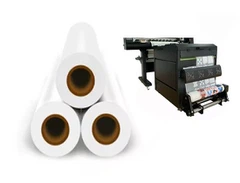
We also offer Hot Peel Double Matte DTF Film and COLD PEEL DOUBLE OF MATTE FILM, which are designed to work seamlessly with our transfer print inks. These films provide a smooth and durable surface for the ink, enhancing the color fastness and overall print quality.
Conclusion
Ensuring the color fastness of transfer print ink requires a comprehensive approach that includes ink formulation, printing process optimization, after - treatment, and quality control. As a transfer print ink supplier, we are committed to providing our customers with high - quality inks and solutions that meet their color fastness requirements. If you are interested in our products or have any questions about color fastness, please feel free to contact us for further discussion and procurement negotiation. We look forward to working with you to achieve excellent transfer printing results.
References
- "Handbook of Printing Ink Technology" by Helmut Kipphan
- "Textile Printing: Principles, Processes and Procedures" by S. V. Joshi
- Industry research reports on transfer printing technology and color fastness standards.