











In the dynamic world of transfer sheet printing, creating prints that are highly stain - resistant is a crucial goal for both suppliers and end - users. As a transfer sheet supplier, I understand the significance of this feature. Stain - resistant transfer sheet prints not only enhance the longevity and aesthetic appeal of the printed items but also open up a wider range of applications, from fashion to industrial use. In this blog, I will share some effective strategies on how to make a transfer sheet print more stain - resistant.
Understanding the Basics of Transfer Sheet Printing
Before delving into the methods of enhancing stain resistance, it's essential to understand the transfer sheet printing process. Transfer sheets are used to transfer designs onto various substrates such as fabrics, plastics, and metals. The transfer can be achieved through different techniques, including heat transfer, pressure transfer, and solvent - based transfer. Each method has its own set of challenges and opportunities when it comes to stain resistance.
Selecting the Right Materials
One of the fundamental steps in creating stain - resistant transfer sheet prints is choosing the appropriate materials.
Transfer Sheet Material
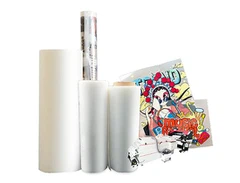
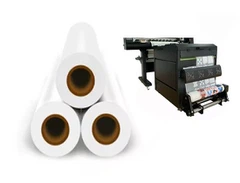
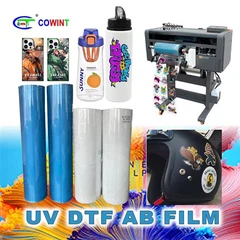
The base material of the transfer sheet plays a significant role in determining the stain resistance of the final print. For instance, 60cm*100m PET Materials DTF Transfer Printing Film is a popular choice due to its smooth surface and excellent durability. PET (polyethylene terephthalate) is a synthetic polymer that is resistant to many common stains, including water - based and oil - based substances. It provides a stable base for the ink and helps prevent the penetration of stains into the print.
Ink Selection
The type of ink used in transfer sheet printing is equally important. Solvent - based inks are known for their high adhesion and durability, which can contribute to better stain resistance. These inks form a strong bond with the transfer sheet material and the substrate, making it more difficult for stains to penetrate. Additionally, UV - curable inks are also a great option. They dry quickly under UV light, creating a hard and resistant surface. This not only enhances the stain resistance but also improves the overall print quality.
Surface Treatment of the Transfer Sheet
Surface treatment can significantly improve the stain - resistant properties of transfer sheet prints.
Coating Application
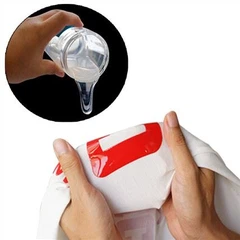
Applying a protective coating to the transfer sheet before or after printing can create a barrier against stains. There are various types of coatings available, such as polyurethane coatings and silicone coatings. Polyurethane coatings offer excellent abrasion resistance and can protect the print from scratches and stains. Silicone coatings, on the other hand, provide a hydrophobic surface, which repels water - based stains.
Plasma Treatment
Plasma treatment is a more advanced surface treatment method. It involves exposing the transfer sheet to a plasma gas, which modifies the surface properties of the material. This treatment can increase the surface energy of the transfer sheet, improving the adhesion of the ink and the protective coating. As a result, the print becomes more resistant to stains.
Printing Process Optimization
The printing process itself can also have an impact on the stain resistance of transfer sheet prints.
Print Resolution
Higher print resolution can lead to better stain resistance. When the print resolution is high, the ink is applied more evenly and densely, creating a more solid and continuous layer. This reduces the chances of stains seeping through the print. However, it's important to find the right balance, as extremely high resolution may also increase the printing time and cost.
Drying and Curing
Proper drying and curing of the print are essential for achieving good stain resistance. After printing, the transfer sheet should be dried thoroughly to remove any solvents or moisture. Curing, which involves heating the print to a specific temperature for a certain period, can further enhance the adhesion of the ink and the cross - linking of the polymers in the ink and the coating. This results in a more durable and stain - resistant print.
Post - Printing Treatments
After the transfer sheet print is completed, additional post - printing treatments can be applied to improve stain resistance.
Heat Pressing
Heat pressing the printed transfer sheet onto the substrate at the right temperature and pressure can help embed the ink and the coating into the substrate. This not only improves the adhesion but also creates a more compact and resistant surface. However, it's crucial to follow the manufacturer's guidelines for heat pressing to avoid damaging the print or the substrate.
Chemical Treatments
Some chemical treatments can be used to enhance the stain - resistant properties of the print. For example, treating the print with a fluoropolymer solution can make the surface hydrophobic and oleophobic, repelling both water - based and oil - based stains.
Quality Control and Testing
To ensure that the transfer sheet prints are truly stain - resistant, quality control and testing are necessary.
Stain Testing
Conducting stain tests on sample prints is a common practice. Different types of stains, such as coffee, oil, and ink, can be applied to the print, and then the print is evaluated for stain resistance. This helps to identify any potential issues and make adjustments to the printing process or materials.
Adhesion Testing
Adhesion testing is also important, as good adhesion between the ink, the coating, and the substrate is crucial for stain resistance. A tape test can be used to check the adhesion of the print. If the ink or coating peels off easily, it may indicate poor adhesion, which can lead to reduced stain resistance.
Applications of Stain - Resistant Transfer Sheet Prints
Stain - resistant transfer sheet prints have a wide range of applications.


Fashion Industry
In the fashion industry, stain - resistant prints on clothing and accessories are highly desirable. They can withstand everyday wear and tear, as well as accidental spills. This makes the garments more durable and easier to maintain. For example, using OEM 3D Transfer with stain - resistant properties can add a unique and long - lasting design to fashion items.
Industrial Use
In industrial settings, transfer sheet prints are used on various equipment and products. Stain - resistant prints can help maintain the appearance and functionality of these items. For example, heat - resistant and stain - resistant prints on machinery parts can prevent the accumulation of dirt and grease, which can affect the performance of the equipment.
Conclusion
Making a transfer sheet print more stain - resistant requires a comprehensive approach that involves selecting the right materials, optimizing the printing process, and applying appropriate post - printing treatments. As a transfer sheet supplier, I am committed to providing high - quality products with excellent stain - resistant properties. If you are interested in our Heat Transfer Materials or have any questions about stain - resistant transfer sheet prints, please feel free to contact us for further discussion and procurement negotiations.
References
- "Handbook of Printing Technologies" by Helmut Kipphan
- "Polymer Coatings and Surface Modification" by K.L. Mittal
- "Advanced Materials for Printing and Packaging" by John W. Lyons