











Yo, what's up! I'm a supplier of Hot Melt Adhesive, and today I wanna chat about how the adhesive adhesion to rubber materials affects the bonding. It's a topic that's super important in our industry, and I've got some real - world insights to share.
First off, let's talk about what adhesive adhesion actually means. Adhesion is basically the ability of the adhesive to stick to the rubber material. When we're dealing with rubber, it's not always a walk in the park. Rubber has a unique surface chemistry and physical properties that can make it a bit of a challenge for adhesives to hold on to.
One of the key factors that affect adhesion is the surface energy of the rubber. Rubber typically has a low surface energy, which means it's kinda "slippery" for the adhesive. Think of it like trying to stick a sticker on a greasy surface. The sticker just won't want to stay put. To overcome this, we often have to treat the rubber surface before applying the adhesive. This can involve things like sanding, corona treatment, or using a primer.
Sanding the rubber surface helps to increase its roughness. When the surface is rough, the adhesive has more nooks and crannies to grip onto. It's like giving the adhesive a better "handhold". Corona treatment, on the other hand, uses an electrical discharge to modify the surface chemistry of the rubber. This increases its surface energy, making it more receptive to the adhesive. And primers are special chemicals that are applied to the rubber surface before the adhesive. They act as a sort of bridge between the rubber and the adhesive, improving the adhesion.

Another factor is the type of rubber. There are different kinds of rubber out there, like natural rubber, synthetic rubber (such as neoprene, nitrile, and silicone). Each type has its own characteristics, and these can affect how well the adhesive bonds to it. For example, silicone rubber is known for its high heat resistance and chemical stability, but it can also be very difficult to bond to because of its low surface energy.
The properties of the hot melt adhesive itself also play a huge role. The melting point, viscosity, and chemical composition of the adhesive all matter. A hot melt adhesive with a lower melting point can flow more easily onto the rubber surface, allowing it to penetrate the pores and irregularities better. Viscosity is also crucial. If the adhesive is too thick, it might not spread evenly on the rubber surface. And if it's too thin, it might not have enough "stickiness" to hold the bond.
Now, let's talk about the impact of adhesion on the bonding. When the adhesion is good, the bond between the rubber and the adhesive is strong. This means that the bonded parts can withstand a lot of stress, whether it's mechanical stress, like stretching or bending, or environmental stress, like exposure to heat, cold, or chemicals. A strong bond is essential in applications where the rubber - adhesive combination is used in products that need to be durable and reliable.
For example, in the automotive industry, rubber parts are often bonded to other components using adhesives. If the adhesion is poor, the rubber parts might come loose during operation. This can lead to all sorts of problems, from leaks to mechanical failures. In the electronics industry, rubber gaskets are used to seal electronic devices. A good adhesive bond ensures that the gaskets stay in place, protecting the electronics from dust, moisture, and other contaminants.
On the flip side, when the adhesion is bad, the bond is weak. The rubber and the adhesive might start to separate over time, even with a small amount of stress. This can result in product failure, which is a big no - no for any manufacturer. It can also lead to increased costs, as products might need to be repaired or replaced.
If you're in the market for hot melt adhesives for bonding rubber materials, you should also consider the compatibility of the adhesive with other materials in your application. Sometimes, the rubber might be in contact with other substances, like plastics or metals. The adhesive needs to be able to bond well to both the rubber and these other materials without causing any chemical reactions or degradation.
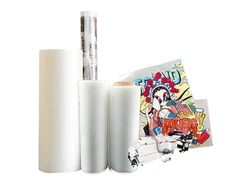
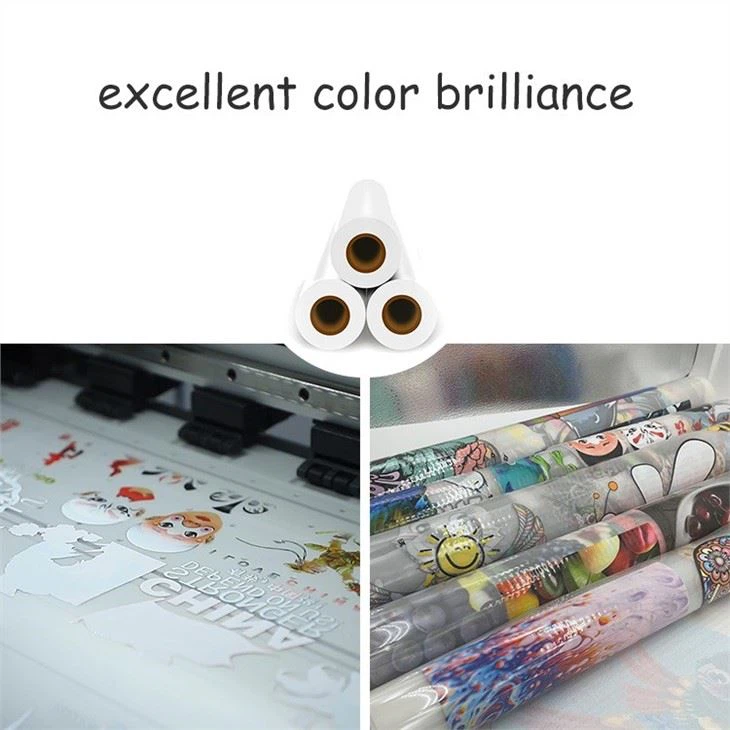
Now, I wanna mention some related products that might be useful in your projects. If you're into transfer printing, you might be interested in 3D Transfer Film. It's a great option for adding some cool 3D effects to your products. And if you need a specific type of transfer printing film, check out 60cm*100m PET Materials DTF Transfer Printing Film. It's perfect for t - shirt printing and other transfer applications. Also, DTF Clear Pet Film is a clear option that can be used in various transfer printing projects.
In conclusion, understanding how the adhesive adhesion to rubber materials affects the bonding is crucial for getting the best results in your applications. As a hot melt adhesive supplier, I've seen firsthand the importance of getting the adhesion right. If you're looking for high - quality hot melt adhesives for bonding rubber, don't hesitate to reach out. I'm here to help you find the perfect adhesive for your needs and ensure that your bonding projects are a success. Whether you're in a small - scale workshop or a large - scale manufacturing plant, I've got the products and expertise to support you. So, let's start a conversation and see how we can work together to achieve great bonding results!
References
- "Adhesion Science and Engineering: Surfaces, Chemistry, and Applications" by K. L. Mittal
- "Handbook of Adhesives" by Irving Skeist