











Transfer adhesives are essential components in various industries, playing a crucial role in bonding different materials together. However, their performance can be significantly affected when exposed to chemical - rich environments. As a transfer adhesive supplier, I have witnessed firsthand the challenges and opportunities presented by these complex conditions. In this blog, I will explore how transfer adhesives perform in chemical - rich environments, including the factors that influence their performance, potential applications, and the strategies to enhance their durability.
Factors Influencing Transfer Adhesive Performance in Chemical - Rich Environments
Chemical Compatibility
The most fundamental factor is the chemical compatibility between the transfer adhesive and the chemicals in the environment. Different adhesives are formulated with various polymers, resins, and additives, each with its own chemical resistance profile. For example, some adhesives are based on acrylic polymers, which generally offer good resistance to water, mild acids, and alkalis. On the other hand, silicone - based adhesives are known for their excellent resistance to high - temperature chemicals and solvents.


When an adhesive comes into contact with a chemical that is not compatible, it may undergo swelling, softening, or even dissolution. This can lead to a loss of adhesion strength, causing the bonded materials to separate. Therefore, understanding the specific chemicals present in the environment is crucial for selecting the appropriate transfer adhesive.
Temperature and Pressure
In chemical - rich environments, temperature and pressure can also have a significant impact on the performance of transfer adhesives. High temperatures can accelerate chemical reactions, increasing the rate of degradation of the adhesive. At the same time, elevated pressures can force chemicals into the adhesive, exacerbating the damage.
For instance, in industrial processes such as chemical manufacturing or oil refining, where high - temperature and high - pressure conditions are common, transfer adhesives need to be able to withstand these extreme conditions without losing their bonding properties. Some adhesives are designed with heat - resistant and pressure - resistant additives to improve their performance under such circumstances.
Exposure Time
The duration of exposure to chemicals is another important factor. Prolonged exposure to chemicals can gradually break down the adhesive, reducing its adhesion strength over time. Even if an adhesive has good initial chemical resistance, long - term exposure may still lead to failure.
In applications where the adhesive is continuously exposed to chemicals, such as in chemical storage tanks or pipelines, it is necessary to select an adhesive with high long - term chemical resistance. Regular inspection and maintenance can also help to detect any signs of adhesive degradation early and take appropriate measures.
Applications of Transfer Adhesives in Chemical - Rich Environments
Chemical Packaging
Transfer adhesives are widely used in chemical packaging to seal containers and ensure the integrity of the contents. For example, in the packaging of liquid chemicals, adhesives are used to bond labels, seals, and closures. These adhesives need to be resistant to the chemicals they come into contact with to prevent leakage and contamination.
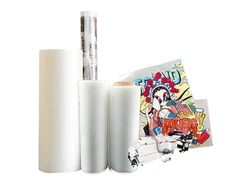
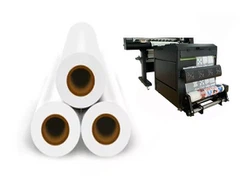
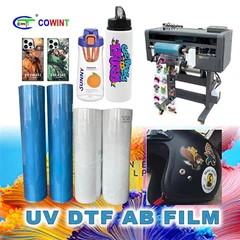
Cowint DTF Film Heat Transfer Direct To Film can be used in the printing of labels for chemical packaging. The transfer adhesive in this film should be able to withstand the chemical environment inside the package, ensuring that the label remains firmly attached and legible.
Industrial Equipment Assembly
In the assembly of industrial equipment used in chemical - rich environments, transfer adhesives are used to bond various components together. For example, in chemical reactors, adhesives are used to bond gaskets, seals, and insulation materials. These adhesives need to provide strong bonding and resist the chemicals and high - temperature conditions inside the reactor.
Hot Fix Tape can be used in the quick repair and assembly of industrial equipment. The transfer adhesive in the tape should be able to adhere well to different surfaces and resist chemical corrosion, ensuring the stability and reliability of the equipment.
Electronic Devices in Chemical - Contaminated Areas
Electronic devices may also be exposed to chemical - rich environments, such as in laboratories or chemical plants. Transfer adhesives are used to bond components in these devices, providing electrical insulation and mechanical support. The adhesives need to be resistant to chemicals to prevent damage to the electronic components.
HOT PEEL SINGLE MATTE DTF FILM can be used in the printing of circuit boards or labels for electronic devices. The transfer adhesive in the film should be able to protect the electronic components from chemical corrosion while maintaining good adhesion.
Strategies to Enhance Transfer Adhesive Performance in Chemical - Rich Environments
Material Selection
As mentioned earlier, selecting the right adhesive material is the first step in ensuring good performance in chemical - rich environments. Conducting chemical compatibility tests before using an adhesive can help to identify the most suitable adhesive for a specific application. Manufacturers often provide chemical resistance charts for their adhesives, which can be a useful reference for material selection.
Surface Preparation
Proper surface preparation is also crucial for enhancing the adhesion strength and chemical resistance of transfer adhesives. Cleaning the surfaces to be bonded thoroughly can remove contaminants, such as oils, greases, and dust, which can interfere with the adhesion process. In some cases, surface treatments, such as sandblasting or chemical etching, may be required to improve the surface roughness and increase the bonding area.
Coating and Protection
Applying a protective coating over the transfer adhesive can provide an additional layer of protection against chemicals. Coatings can be made of materials such as epoxy, polyurethane, or silicone, which have good chemical resistance. These coatings can prevent chemicals from directly contacting the adhesive, reducing the risk of degradation.
Conclusion
In conclusion, the performance of transfer adhesives in chemical - rich environments is influenced by multiple factors, including chemical compatibility, temperature, pressure, and exposure time. Despite the challenges, transfer adhesives have a wide range of applications in chemical - rich environments, such as chemical packaging, industrial equipment assembly, and electronic devices.
By carefully selecting the appropriate adhesive material, performing proper surface preparation, and applying protective coatings, the performance of transfer adhesives in chemical - rich environments can be significantly enhanced. As a transfer adhesive supplier, I am committed to providing high - quality adhesives that can meet the diverse needs of customers in various chemical - rich applications.
If you are looking for reliable transfer adhesives for your projects in chemical - rich environments, I invite you to contact me for more information and to discuss your specific requirements. Our team of experts will be happy to assist you in selecting the most suitable adhesive and providing technical support.
References
- "Handbook of Adhesive Technology" by A. Pizzi and K. L. Mittal.
- "Adhesives and Sealants Technology" journal articles on chemical resistance of adhesives.