











Hey there! As a supplier of transfer adhesive, I've gotten a ton of questions about how this stuff reacts to heat. It's a super important topic, especially for folks in the printing and crafting industries. So, let's dig in and explore how heat affects transfer adhesive.
Basics of Transfer Adhesive
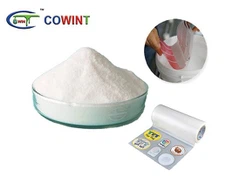
First off, what is transfer adhesive? Well, it's a special kind of glue that's used to transfer designs from one surface to another. It's commonly used in things like heat transfer printing, where you want to put a cool design on a t - shirt, a tote bag, or even a phone case.
There are different types of transfer adhesives out there. Some are made for high - speed industrial printing, while others are more suitable for small - scale, DIY projects. The key thing about all of them is that they need to stick well and keep the design in place, even when faced with different conditions, including heat.
How Heat Affects Transfer Adhesive
Activation
One of the main ways heat interacts with transfer adhesive is through activation. Most transfer adhesives are heat - activated. That means when you apply heat, the adhesive goes from a solid or semi - solid state to a sticky, liquid - like state. This allows it to bond with the surface it's being transferred to.
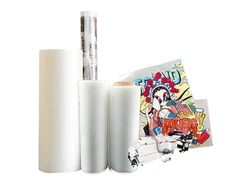
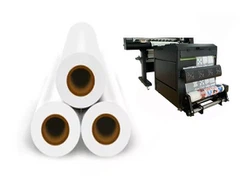
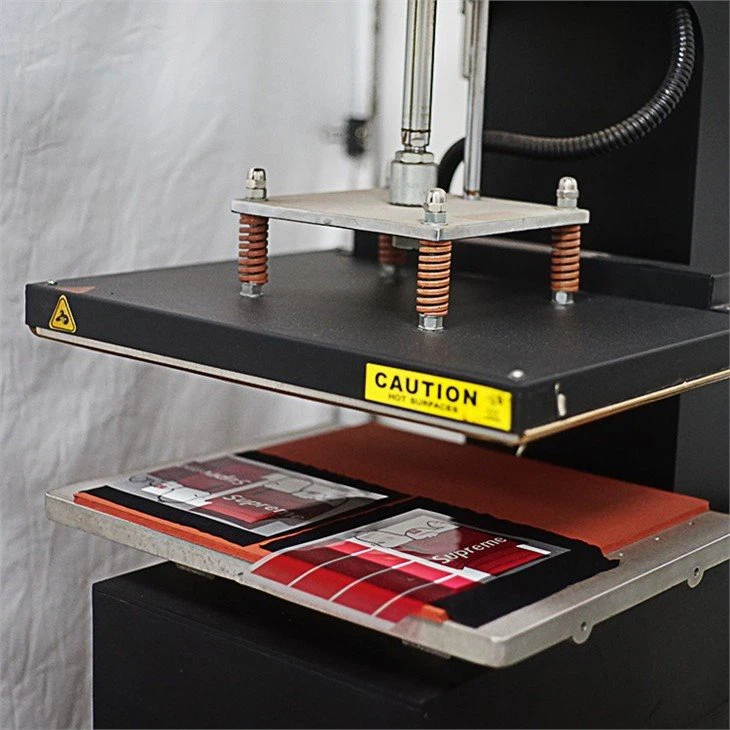
For example, in direct - to - film (DTF) printing, which uses transfer adhesive, heat is applied using a heat press. When you put the DTF Clear Pet Film with the printed design and the transfer adhesive on the fabric and then apply heat, the adhesive activates. It starts to flow and seeps into the fibers of the fabric, creating a strong bond.
The temperature at which the adhesive activates is crucial. If it's too low, the adhesive won't fully activate, and the design might not stick properly. On the other hand, if it's too high, you could damage the adhesive, the design, or the surface you're applying it to.
Curing
After activation, heat also plays a role in curing the adhesive. Curing is the process where the adhesive hardens and sets, creating a long - lasting bond. This usually happens at a slightly higher temperature or over a longer period of time than activation.
During curing, the chemical structure of the adhesive changes. The molecules cross - link, which makes the adhesive stronger and more resistant to wear and tear. For instance, in the case of INSTANT PEEL SINGLE MATTE DTF OF FILM, proper curing ensures that the design stays intact and doesn't peel off easily, even after multiple washes.
Degradation
But heat isn't always a friend to transfer adhesive. If the temperature gets too extreme, it can cause degradation. High heat can break down the chemical bonds in the adhesive, making it lose its sticking power.
For example, if you accidentally leave a heat - transferred item in a hot car on a summer day, the excessive heat could cause the adhesive to degrade. The design might start to peel or crack, and the item will look shabby. Also, continuous exposure to high temperatures over time can gradually weaken the adhesive, even if the temperature isn't extremely high.
Factors Affecting Heat Reaction
Adhesive Composition
The composition of the transfer adhesive matters a lot when it comes to how it reacts to heat. Different adhesives are made from different chemicals, and each has its own heat - related properties.
Some adhesives are formulated to withstand higher temperatures. These are often used in industrial applications where there are high - heat processes involved. Others are more sensitive to heat and are better suited for lower - temperature applications or delicate surfaces.
Surface Material
The material of the surface you're applying the transfer adhesive to also affects the heat reaction. Different materials conduct and retain heat differently. For example, metal conducts heat very well, so it might heat up the adhesive faster. On the other hand, fabrics like cotton are less conductive, which means the heat might take longer to reach the adhesive.
When using Transfer Sheet, you need to consider the surface material. If it's a thick, heavy fabric, you might need to apply more heat or for a longer time to ensure the adhesive activates and cures properly.
Heat Application Method
How you apply the heat also makes a difference. There are different ways to apply heat, such as using a heat press, a heat gun, or an iron. Each method has its own pros and cons.
A heat press is the most common and precise way to apply heat for transfer adhesive. It can apply even pressure and a consistent temperature across the entire surface. A heat gun, on the other hand, is more portable but can be harder to control. You might end up applying too much heat in one spot and not enough in another.
Real - World Applications
Apparel Industry
In the apparel industry, transfer adhesive is used all the time. Whether it's printing logos on sports jerseys or creating custom - designed t - shirts, heat - activated transfer adhesive is key.
When a clothing manufacturer uses transfer adhesive, they need to make sure the heat settings are just right. They want the design to look great and last through multiple washes. If the heat is too low, the design might fade or peel after a few washes. If it's too high, the fabric could shrink or get damaged.
Crafting and DIY
For crafters and DIY enthusiasts, transfer adhesive opens up a world of possibilities. You can create your own personalized mugs, phone cases, or home decor items.
When using transfer adhesive in a DIY project, you might not have access to a professional heat press. But with a regular iron, you can still get good results. You just need to be careful with the heat settings and make sure to apply even pressure.
Tips for Working with Heat and Transfer Adhesive
- Test First: Before applying the transfer adhesive to your final project, do a test on a scrap piece of the same material. This way, you can figure out the right temperature and time settings.
- Use a Heat - Resistant Surface: When applying heat, make sure to use a heat - resistant surface under the item. This will protect your work area and ensure even heat distribution.
- Follow Instructions: Always follow the manufacturer's instructions for the transfer adhesive and the heat - applying tool. They know the best settings for their products.
Conclusion
As you can see, heat has a huge impact on transfer adhesive. It's what activates and cures the adhesive, but it can also cause degradation if not used properly. Understanding how heat and transfer adhesive interact is crucial for getting great results in your printing and crafting projects.
If you're in the market for high - quality transfer adhesive, we've got you covered. We're a trusted supplier with a wide range of products to meet your needs. Whether you're an industrial printer or a DIY enthusiast, we can provide the right transfer adhesive for your project. Don't hesitate to reach out if you have any questions or want to discuss your procurement needs. Let's work together to make your printing and crafting dreams a reality!

References
- "Handbook of Adhesive Technology" by A. Pizzi and K. L. Mittal
- "Industrial Adhesives and Sealants" by Robert T. Patton