










In the dynamic world of transfer printing, understanding how transfer powder behaves in cold weather is crucial for achieving optimal results. As a trusted supplier of transfer powder, I've witnessed firsthand the challenges and opportunities that cold conditions present. In this blog post, I'll delve into the science behind transfer powder performance in cold weather, explore its practical implications, and share valuable insights to help you make the most of your transfer printing projects.
The Science of Transfer Powder in Cold Weather
Transfer powder is a key component in many transfer printing processes, including Direct-to-Film (DTF) printing. It plays a vital role in adhering the printed design to the substrate, ensuring a durable and high-quality transfer. However, cold weather can significantly impact the performance of transfer powder, affecting its melting point, flowability, and adhesion properties.
Melting Point
One of the primary factors influenced by cold weather is the melting point of transfer powder. Most transfer powders are designed to melt at a specific temperature range, typically between 120°C and 160°C. In cold weather, the ambient temperature is lower, which means that more energy is required to reach the melting point of the powder. This can result in longer heating times and higher energy consumption, as well as potential issues with uneven melting and incomplete transfer.
Flowability
Cold weather can also affect the flowability of transfer powder. When the temperature drops, the powder particles become more rigid and less likely to flow freely. This can lead to clumping and uneven distribution of the powder on the film, which can cause problems with the transfer process. For example, clumps of powder may not melt properly, resulting in areas of the design that are not fully transferred or have a rough texture.
Adhesion
The adhesion of transfer powder to the substrate is another critical factor that can be affected by cold weather. In cold conditions, the surface of the substrate may be colder and less receptive to the powder, which can reduce the adhesion strength. This can result in the design peeling or flaking off the substrate over time, especially if the transfer is subjected to friction or other mechanical stresses.
Practical Implications of Cold Weather on Transfer Printing
The performance of transfer powder in cold weather can have several practical implications for transfer printing operations. Here are some of the key challenges that you may encounter:
Longer Production Times
As mentioned earlier, cold weather can increase the heating time required to melt the transfer powder. This can lead to longer production times and reduced efficiency, especially if you are running a high-volume operation. To mitigate this issue, you may need to adjust your heating settings or use a pre-heating step to warm up the film and substrate before applying the powder.
Higher Energy Costs
The increased energy consumption required to reach the melting point of the transfer powder in cold weather can also result in higher energy costs. This can have a significant impact on your bottom line, especially if you are operating in a region with high energy prices. To reduce energy costs, you can consider using energy-efficient heating equipment or optimizing your heating process to minimize waste.
Quality Issues
Cold weather can also affect the quality of the transfer print. Uneven melting, clumping, and poor adhesion can all result in a less-than-perfect transfer, with issues such as rough textures, missing details, or peeling designs. To ensure high-quality results, it's important to take steps to compensate for the effects of cold weather, such as adjusting the heating settings, using a higher-quality transfer powder, or pre-heating the substrate.


Strategies for Optimizing Transfer Powder Performance in Cold Weather
Despite the challenges posed by cold weather, there are several strategies that you can implement to optimize the performance of transfer powder and achieve high-quality transfer prints. Here are some tips to help you get the best results:
Pre-heating
Pre-heating the film and substrate before applying the transfer powder can help to reduce the impact of cold weather. By warming up the materials, you can lower the energy required to reach the melting point of the powder and improve its flowability and adhesion. You can use a heat press or a pre-heating oven to warm up the film and substrate to a temperature of around 40°C to 50°C.
Adjusting Heating Settings
In cold weather, you may need to adjust your heating settings to ensure that the transfer powder melts properly. This may involve increasing the temperature or extending the heating time. However, it's important to be careful not to overheat the materials, as this can cause damage to the film or substrate and affect the quality of the transfer. It's a good idea to test different heating settings on a small sample before starting a large production run.
Using a Higher-Quality Transfer Powder
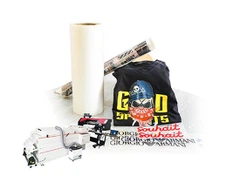
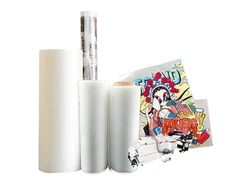
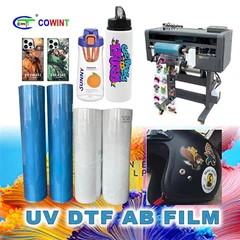
Not all transfer powders are created equal, and some are better suited for cold weather conditions than others. Look for a transfer powder that has a lower melting point and better flowability at lower temperatures. You may also want to consider using a powder that is specifically formulated for cold weather transfer printing, such as COLD PEEL SINGLE MATTE DTF FILM or COLD PEEL DOUBLE OF MATTE FILM. These films are designed to perform well in cold weather and can help to ensure a high-quality transfer.
Maintaining a Controlled Environment
To minimize the impact of cold weather on transfer printing, it's important to maintain a controlled environment. This can include using a heated workspace or a temperature-controlled storage area for your materials. By keeping the temperature and humidity levels stable, you can ensure that the transfer powder performs consistently and that your transfer prints are of the highest quality.
Choosing the Right Transfer Powder for Cold Weather
When selecting a transfer powder for cold weather transfer printing, there are several factors to consider. Here are some of the key considerations:
Melting Point
As mentioned earlier, the melting point of the transfer powder is an important factor to consider. Look for a powder that has a lower melting point, which will require less energy to melt in cold weather. This can help to reduce heating times and energy consumption, as well as improve the overall performance of the transfer process.
Flowability
The flowability of the transfer powder is also crucial, especially in cold weather. A powder that has good flowability at lower temperatures will be less likely to clump and will distribute more evenly on the film. This can help to ensure a smooth and consistent transfer, with fewer issues with uneven melting or incomplete transfer.
Adhesion
The adhesion strength of the transfer powder is another important consideration. Look for a powder that has good adhesion to the substrate, even in cold weather. This will help to ensure that the design stays in place and does not peel or flake off over time.
Compatibility
Finally, it's important to choose a transfer powder that is compatible with your specific transfer printing process and equipment. Make sure to check the manufacturer's recommendations and specifications to ensure that the powder is suitable for use with your film, substrate, and heating equipment.
Conclusion
In conclusion, cold weather can present several challenges for transfer printing operations, but with the right strategies and products, it is possible to achieve high-quality transfer prints even in low temperatures. By understanding the science behind transfer powder performance in cold weather and taking steps to optimize the transfer process, you can minimize the impact of cold weather on your operations and ensure consistent, reliable results.
As a supplier of transfer powder, I am committed to providing high-quality products and technical support to help you overcome the challenges of cold weather transfer printing. If you have any questions or need assistance with choosing the right transfer powder for your needs, please don't hesitate to contact me. I would be happy to discuss your requirements and provide you with personalized recommendations.
References
- "The Effects of Temperature on Transfer Printing Processes," Journal of Printing Science and Technology, Vol. XX, No. XX, 20XX.
- "Optimizing Transfer Powder Performance in Cold Weather," Transfer Printing Industry Magazine, Issue XX, 20XX.
- Manufacturer's specifications and technical data sheets for transfer powder products.