












Hey there! As a hot melt adhesive supplier, I've seen firsthand how the formulation of hot melt adhesive can have a huge impact on its bonding performance. In this blog, I'm gonna break down the key factors in the formulation and explain how they affect how well the adhesive sticks.
The Basics of Hot Melt Adhesive Formulation
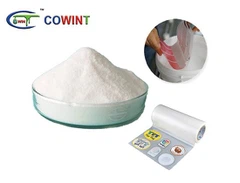
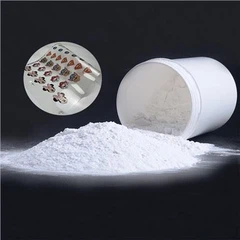
Before we dive into the details, let's quickly go over what hot melt adhesive is. It's a type of adhesive that's solid at room temperature but turns into a liquid when heated. Once it cools down, it solidifies again and forms a strong bond. The formulation of hot melt adhesive usually includes polymers, tackifiers, plasticizers, and antioxidants.
Polymers
Polymers are the backbone of hot melt adhesive. They give the adhesive its strength and flexibility. Different types of polymers have different properties, so choosing the right one is crucial. For example, ethylene-vinyl acetate (EVA) polymers are very popular because they offer a good balance of adhesion, flexibility, and heat resistance. Polyolefin polymers, on the other hand, are known for their excellent chemical resistance and low odor.
When we're formulating hot melt adhesive, we need to consider the molecular weight of the polymers. Higher molecular weight polymers generally result in stronger and more durable bonds. However, they also tend to have a higher viscosity, which can make the adhesive more difficult to apply. So, we have to find the sweet spot that gives us the best bonding performance without sacrificing ease of use.
Tackifiers
Tackifiers are added to the adhesive to increase its initial stickiness, or tack. They help the adhesive grab onto the surfaces quickly and form a bond. There are many different types of tackifiers available, such as rosin esters, hydrocarbon resins, and terpene resins. Each type of tackifier has its own unique properties, so we need to choose the one that's best suited for the specific application.
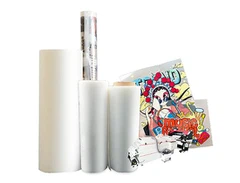
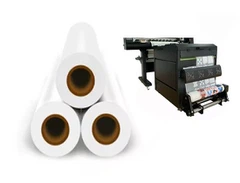
For example, if we're formulating an adhesive for a heat transfer application, we might choose a tackifier that has good heat resistance. This will ensure that the adhesive maintains its tack even when exposed to high temperatures during the heat transfer process. You can learn more about heat transfer applications by checking out Heat Transfer Film and Heat Transfer Materials.
Plasticizers
Plasticizers are used to make the adhesive more flexible and reduce its hardness. They work by reducing the intermolecular forces between the polymer chains, allowing them to move more freely. This makes the adhesive easier to apply and helps it conform to the surfaces being bonded.
However, we need to be careful not to use too much plasticizer. If the adhesive is too soft, it may not have enough strength to hold the surfaces together. So, we have to find the right amount of plasticizer that gives us the desired level of flexibility without compromising the bonding strength.
Antioxidants
Antioxidants are added to the adhesive to prevent oxidation and degradation. Oxidation can cause the adhesive to become brittle and lose its bonding strength over time. By adding antioxidants, we can extend the shelf life of the adhesive and ensure that it maintains its performance for a longer period.
How Formulation Affects Bonding Performance
Now that we've covered the basics of hot melt adhesive formulation, let's take a closer look at how each component affects the bonding performance.
Adhesion to Different Surfaces
The formulation of the adhesive plays a big role in how well it adheres to different surfaces. For example, if we're bonding two smooth surfaces, we might need an adhesive with a high level of tack to ensure a good initial bond. On the other hand, if we're bonding a porous surface, we might need an adhesive that can penetrate the pores and form a strong mechanical bond.
The choice of polymers and tackifiers can also affect the adhesive's compatibility with different materials. Some polymers may bond better to certain types of plastics, while others may be more suitable for bonding to metals or wood. By carefully selecting the components of the formulation, we can create an adhesive that's optimized for a specific application.
Temperature Resistance
Temperature is another important factor that can affect the bonding performance of hot melt adhesive. Different formulations have different temperature ranges in which they can perform effectively. For example, some adhesives are designed for low-temperature applications, while others are suitable for high-temperature environments.
The polymers and tackifiers used in the formulation can have a significant impact on the adhesive's temperature resistance. Polymers with high melting points and good heat stability are generally better suited for high-temperature applications. Similarly, tackifiers with good heat resistance can help the adhesive maintain its tack and bonding strength at elevated temperatures. If you're interested in high-temperature applications like OEM 3D Transfer, it's important to choose an adhesive with the right temperature resistance.
Bond Strength and Durability
The bond strength and durability of the adhesive are also influenced by the formulation. As mentioned earlier, the molecular weight of the polymers can affect the strength of the bond. Higher molecular weight polymers generally result in stronger bonds, but they may also be more brittle. So, we need to find the right balance between strength and flexibility.
The addition of plasticizers and antioxidants can also improve the durability of the bond. Plasticizers can help the adhesive withstand stress and deformation without breaking, while antioxidants can prevent the adhesive from deteriorating over time.
Case Studies
Let's take a look at a couple of case studies to see how the formulation of hot melt adhesive can impact its bonding performance in real-world applications.
Case Study 1: Packaging
In the packaging industry, hot melt adhesive is widely used to seal boxes and cartons. The adhesive needs to have good initial tack to quickly bond the flaps together and high bond strength to keep the package sealed during transportation and storage.
In one case, a packaging company was experiencing problems with their adhesive not holding up well under high humidity conditions. After analyzing the formulation, we found that the adhesive was using a tackifier that was not very resistant to moisture. We recommended switching to a different tackifier with better moisture resistance, and the problem was solved. The new adhesive formulation provided a stronger and more durable bond, even in humid environments.
Case Study 2: Automotive
In the automotive industry, hot melt adhesive is used for a variety of applications, such as bonding interior trim components and attaching gaskets. The adhesive needs to have good temperature resistance to withstand the high temperatures under the hood and in the cabin.
A car manufacturer was having issues with an adhesive they were using to bond a plastic trim piece. The adhesive was failing at high temperatures, causing the trim piece to come loose. We analyzed the formulation and found that the polymer used in the adhesive had a relatively low melting point. We recommended switching to a polymer with a higher melting point, and the new adhesive formulation provided a much better bond at high temperatures.
Conclusion
As you can see, the formulation of hot melt adhesive has a significant impact on its bonding performance. By carefully selecting the polymers, tackifiers, plasticizers, and antioxidants, we can create an adhesive that's optimized for a specific application. Whether you're in the packaging, automotive, or heat transfer industry, choosing the right adhesive formulation is crucial for achieving strong and durable bonds.


If you're looking for a high-quality hot melt adhesive for your application, don't hesitate to reach out to us. We have a team of experts who can help you find the perfect adhesive formulation for your needs. Contact us today to start a discussion about your requirements and see how we can help you improve your bonding performance.
References
- Handbook of Adhesives and Sealants, Second Edition by Henry S. Katz and Allan W. Miles
- Adhesives Technology Handbook, Third Edition by John D. Murphy