






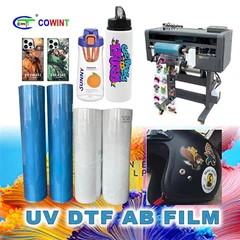
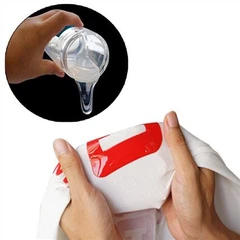


Hey there! As a supplier of transfer film, I often get asked a bunch of questions, and one that pops up quite frequently is, "How long can transfer film stay in a temporary application?" Well, I'm here to break it down for you in a way that's easy to understand.
First off, let's talk about what transfer film is. Transfer film is a key player in the world of Transfer Printing Material. It's used to transfer designs onto various surfaces, like fabric, ceramics, and even metal. There are different types of transfer films out there, and each has its own characteristics that can affect how long it lasts in a temporary application.
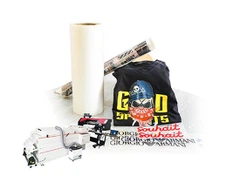
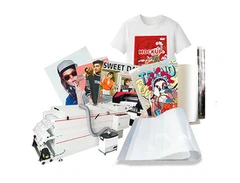
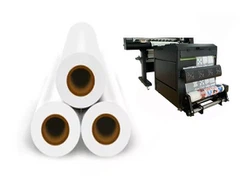
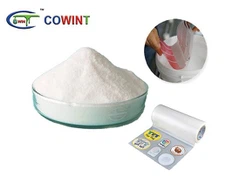
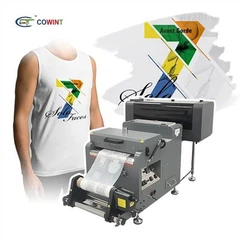
One popular type is the Digital Transfer Printing Film /PET Roll Film. This film is great for digital printing and offers a smooth surface for high - quality transfers. When it comes to temporary applications, factors like the environment, the surface it's applied to, and how it's handled all play a role in its longevity.
In a normal indoor environment, where the temperature is stable and there's not much friction or exposure to harsh chemicals, the transfer film can last anywhere from a few days to a couple of weeks. For example, if you're using it to add a temporary design to a T - shirt for a one - time event, it should hold up well for the duration of the event and maybe a few days after. But if the T - shirt is washed or rubbed against rough surfaces, the film might start to peel or fade sooner.
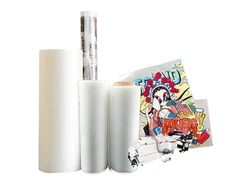
The INSTANT PEEL SINGLE MATTE DTF FILM is another option. It's known for its instant peel feature, which makes the transfer process quicker. In a temporary application, this film can also have a decent lifespan. However, outdoor conditions can be a bit more challenging. If the transfer is on an outdoor sign or a piece of equipment that's exposed to sunlight, rain, and wind, the film's durability can be significantly reduced.
Sunlight, especially the UV rays, can cause the colors in the transfer film to fade over time. Rain and moisture can seep under the edges of the film, leading to peeling. And strong winds can create friction and cause the film to lift. In an outdoor setting, the transfer film might only last a few days to a week, depending on the severity of the weather conditions.
The surface you apply the transfer film to also matters a lot. A smooth, clean surface will generally hold the film better than a rough or dirty one. If the surface has oils, dust, or debris on it, the film might not adhere properly, and it could come off much sooner. For example, if you're applying the film to a plastic surface that has been recently cleaned with a greasy cleaner, the film might not stick well and could peel off within a day or two.
Proper handling during the application process is crucial. If the film is not applied evenly, there could be air bubbles or wrinkles, which can weaken the adhesion. Also, if too much pressure is applied in some areas and not enough in others, it can lead to an uneven transfer and a shorter lifespan. When applying the transfer film, make sure to follow the instructions carefully. Use a squeegee or a smooth tool to press the film down firmly and remove any air bubbles.
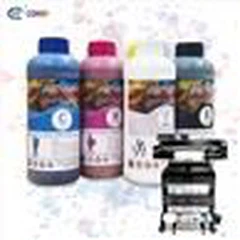
Another thing to consider is the type of ink used in the transfer. Some inks are more resistant to fading and wear than others. High - quality inks can help the transfer film last longer, even in challenging conditions. If you're using a cheap or low - quality ink, the colors might start to fade quickly, and the film might not hold up as well.
Now, let's talk about how you can extend the lifespan of the transfer film in a temporary application. If it's an indoor application, try to keep the area clean and free from excessive moisture. Avoid rubbing or scratching the transfer. If it's an outdoor application, you can use a protective coating or laminate over the film. This can help shield it from the elements and increase its durability.
There are also some post - application treatments you can do. For example, you can heat - set the transfer film using a heat press at the appropriate temperature. This can help the ink bond better with the film and the surface, making the transfer more durable. Just make sure not to overheat the film, as this can cause it to warp or melt.
In conclusion, the lifespan of transfer film in a temporary application can vary widely, from a few days to a couple of weeks or more, depending on a variety of factors. If you're looking for a transfer film that can last longer, make sure to choose a high - quality product, use the right ink, apply it properly, and take steps to protect it from the environment.


If you're in the market for transfer film, whether it's the Digital Transfer Printing Film /PET Roll Film, INSTANT PEEL SINGLE MATTE DTF FILM, or other Transfer Printing Material, I'm here to help. We offer a wide range of transfer films that are designed to meet your specific needs. Whether you're a small business looking to add some temporary branding or an individual working on a DIY project, we've got you covered.
If you have any questions or want to discuss your requirements, feel free to reach out. We're always happy to have a chat and help you find the best transfer film solution for your project. Let's work together to make your transfer printing projects a success!
References:
- General knowledge from years of experience in the transfer film industry.
- Product research and testing on different types of transfer films and their performance in various conditions.