






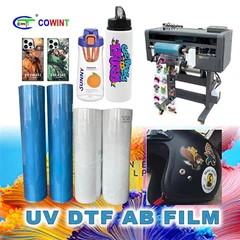
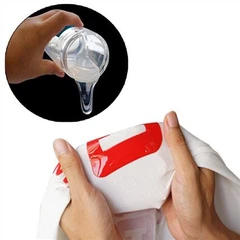


Hey there! As a transfer film supplier, I've been getting a lot of questions lately about the differences between transfer film for textiles and other surfaces. So, I thought I'd take a little time to break it down for you.
1. Basics of Transfer Film
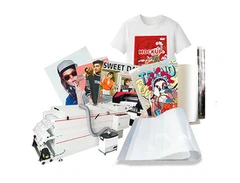
First off, let's talk about what transfer film is. In simple terms, transfer film is a medium that allows you to transfer a design from one surface to another. It's like a magic ticket for getting cool patterns and images onto various items. You can use it for all sorts of things, from customizing your t - shirts to adding a unique touch to your phone case.
2. Transfer Film for Textiles
2.1 Material Compatibility
When it comes to textiles, the transfer film has to be super compatible with the fabric. Different fabrics like cotton, polyester, and silk have different properties. For example, cotton is porous and absorbent, while polyester is more synthetic and less absorbent. The transfer film for cotton needs to be able to bond well with the fabric fibers and withstand washing. On the other hand, the film for polyester might need to be more flexible to adapt to the fabric's stretchability.
2.2 Durability on Textiles
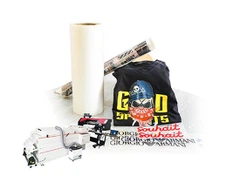
Textiles go through a lot. They're washed, dried, and worn around. So, the transfer film for textiles has to be durable. It should resist fading, cracking, and peeling even after multiple washes. We've got some really great products, like the High - density Transfer Print, which is specifically designed to stay put on textiles for a long time. It can handle the rough and tumble of daily use and still look fresh.
2.3 Softness and Comfort
People wear textiles on their bodies, so comfort is key. The transfer film for textiles should be soft and not feel like a stiff patch on the fabric. It shouldn't restrict movement or cause any irritation to the skin. A good transfer film will blend in with the fabric, almost becoming a part of it, so you don't even notice it's there.
3. Transfer Film for Other Surfaces
3.1 Hard Surfaces (e.g., Plastics, Metals)
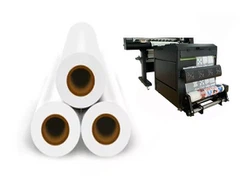
When dealing with hard surfaces like plastics and metals, the transfer film needs to have a strong adhesive. These surfaces are smooth and non - porous, so the film has to stick really well. For example, if you're using transfer film on a plastic phone case, it should adhere firmly without any air bubbles or lifting edges. The Transfer Sheet is a great option for hard surfaces. It can provide a sharp and long - lasting print on these materials.
3.2 Outdoor Surfaces
Outdoor surfaces face different challenges. They're exposed to sunlight, rain, and extreme temperatures. The transfer film for outdoor use has to be weather - resistant. It should not fade under the sun's UV rays or get damaged by water. For instance, if you're using transfer film on a metal sign outside, it needs to be able to withstand the elements for years.
3.3 Decorative vs. Functional
On other surfaces, transfer film can be used for both decorative and functional purposes. For example, you can use it to add a logo to a plastic toolbox (decorative), or you can use it to create a non - slip surface on a metal staircase (functional). The requirements for these two types of applications can be quite different.


4. Printing Process Differences
4.1 Textiles
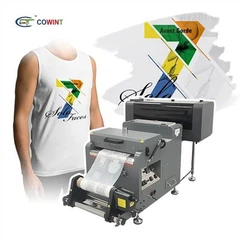
Printing on textiles often involves heat transfer. You use a heat press to apply the transfer film to the fabric. The heat activates the adhesive on the film and bonds it to the fabric fibers. The temperature and pressure settings are crucial. Too much heat can damage the fabric, while too little heat might not make the film stick properly.
4.2 Other Surfaces
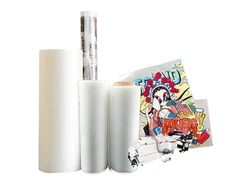
For other surfaces, the printing process can vary. Some hard surfaces can be printed using a cold transfer method. The COLD PEEL DOUBLE OF MATTE FILM is a great example of a film that can be used in a cold transfer process. It doesn't require heat, which is useful for surfaces that can't withstand high temperatures.
5. Design Considerations
4.1 Textiles
When designing for textiles, you need to think about the fabric's texture. A design that looks great on a smooth fabric might not look as good on a textured one. Also, the color of the fabric can affect how the design appears. For example, a light - colored design might not show up well on a dark - colored fabric.
4.2 Other Surfaces
On other surfaces, the shape and size of the surface matter. If you're printing on a curved surface, like a bottle, the design needs to be able to wrap around it without distorting. The surface finish, whether it's glossy or matte, can also impact the final look of the design.
6. Cost Factors
4.1 Textiles
The cost of transfer film for textiles can be influenced by factors like the type of fabric, the complexity of the design, and the durability requirements. High - end fabrics might need more specialized transfer films, which can be more expensive. Also, if you need a design with a lot of colors or fine details, it might cost more.
4.2 Other Surfaces
For other surfaces, the cost can depend on the material of the surface, the size of the area to be printed, and the printing method. Printing on a large metal sign will likely cost more than printing on a small plastic keychain.
7. Conclusion and Call to Action
So, as you can see, there are quite a few differences between transfer film for textiles and other surfaces. Whether you're looking to customize a t - shirt or add a design to a plastic product, we've got the right transfer film for you.
If you're interested in purchasing transfer film for your specific needs, whether it's for textiles or other surfaces, I'd love to talk to you. We can discuss your project in detail, figure out the best film for you, and get you a great deal. Just reach out, and let's start creating something awesome together!
References
- General knowledge in the field of transfer film technology
- Experience from working as a transfer film supplier