














Achieving a high-gloss finish with transfer print ink is a pursuit that combines artistry and science. As a dedicated transfer print ink supplier, I've witnessed firsthand the transformative power of a well-executed high-gloss finish. In this blog post, I'll share insights, tips, and techniques to help you master the art of achieving that stunning, mirror-like sheen on your transfer prints.
Understanding the Basics of Transfer Print Ink
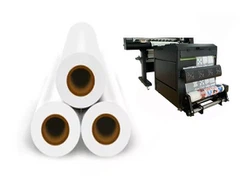
Before delving into the specifics of achieving a high-gloss finish, it's essential to understand the fundamentals of transfer print ink. Transfer print ink is a specialized type of ink designed to be transferred from a carrier material, such as a Transfer Print Sheet, onto a substrate. This process allows for precise and detailed printing on a variety of surfaces, including textiles, plastics, and metals.
The key to a successful transfer print lies in the quality of the ink and the compatibility between the ink, the carrier material, and the substrate. High-quality transfer print ink is formulated to adhere well to the carrier material and transfer smoothly onto the substrate, resulting in a sharp and vibrant print.
Factors Affecting the Gloss Finish
Several factors can influence the gloss finish of a transfer print. Understanding these factors is crucial for achieving the desired results.
Ink Quality
The quality of the transfer print ink plays a significant role in the gloss finish. High-quality inks are formulated with special additives and pigments that enhance the gloss and durability of the print. When selecting transfer print ink, look for products that are specifically designed for high-gloss applications. These inks typically contain a higher concentration of gloss agents, which help to create a smooth and reflective surface.
Substrate Selection
The type of substrate you choose can also affect the gloss finish of the transfer print. Different substrates have different surface properties, such as porosity, smoothness, and absorbency, which can impact the way the ink adheres and dries. For a high-gloss finish, it's best to choose a smooth and non-porous substrate, such as polyester, vinyl, or metal. These substrates provide a better surface for the ink to spread evenly and create a glossy finish.
Printing Process
The printing process itself can also influence the gloss finish. Factors such as the printing pressure, temperature, and speed can all affect the way the ink transfers onto the substrate and dries. To achieve a high-gloss finish, it's important to use the correct printing parameters and ensure that the printing equipment is properly calibrated. Additionally, using a high-quality printing press or printer can help to ensure a consistent and even print, which is essential for a smooth and glossy finish.
Drying and Curing
Proper drying and curing are essential for achieving a high-gloss finish. After the transfer print is applied to the substrate, it needs to be dried and cured to ensure that the ink adheres properly and develops its full gloss potential. The drying and curing process can vary depending on the type of ink and substrate used, as well as the printing equipment and environment. In general, it's best to follow the manufacturer's recommendations for drying and curing times and temperatures.


Techniques for Achieving a High-Gloss Finish
Now that we've discussed the factors that can affect the gloss finish, let's explore some techniques for achieving a high-gloss finish with transfer print ink.
Use a High-Gloss Ink
As mentioned earlier, using a high-quality transfer print ink that is specifically designed for high-gloss applications is essential for achieving a high-gloss finish. Look for inks that contain a high concentration of gloss agents and are formulated to provide a smooth and reflective surface.
Prepare the Substrate
Proper substrate preparation is crucial for achieving a high-gloss finish. Before printing, make sure the substrate is clean, dry, and free of any dust, dirt, or oils. You can use a mild detergent and water to clean the substrate, followed by a thorough rinse and drying. Additionally, you may want to apply a primer or adhesion promoter to the substrate to improve the adhesion of the ink and enhance the gloss finish.
Optimize the Printing Process
To achieve a high-gloss finish, it's important to optimize the printing process. This includes using the correct printing parameters, such as the printing pressure, temperature, and speed, and ensuring that the printing equipment is properly calibrated. Additionally, using a high-quality printing press or printer can help to ensure a consistent and even print, which is essential for a smooth and glossy finish.
Apply a Clear Coat
Applying a clear coat over the transfer print can help to enhance the gloss finish and protect the print from scratches and abrasions. There are several types of clear coats available, including water-based, solvent-based, and UV-curable clear coats. When selecting a clear coat, choose a product that is compatible with the transfer print ink and the substrate. Apply the clear coat evenly using a spray gun or a roller, and allow it to dry and cure according to the manufacturer's recommendations.
Use a High-Gloss Film
Another technique for achieving a high-gloss finish is to use a high-gloss film, such as the INSTANT PEEL DOUBLE MATTE DTF FILM. These films are designed to be used in conjunction with transfer print ink to create a smooth and reflective surface. Simply apply the transfer print ink to the film, transfer it onto the substrate, and peel off the film to reveal a high-gloss finish.
Troubleshooting Common Issues
Even with the best techniques and practices, you may still encounter some issues when trying to achieve a high-gloss finish with transfer print ink. Here are some common issues and their solutions:
Uneven Gloss
If you notice that the gloss finish is uneven, it could be due to several factors, such as uneven ink application, improper drying or curing, or a problem with the substrate. To fix this issue, make sure that the ink is applied evenly using the correct printing parameters. Additionally, ensure that the substrate is clean and dry before printing, and follow the manufacturer's recommendations for drying and curing times and temperatures.
Poor Adhesion
If the transfer print ink does not adhere properly to the substrate, it could be due to a problem with the substrate preparation, ink quality, or printing process. To fix this issue, make sure that the substrate is clean, dry, and free of any dust, dirt, or oils. Additionally, use a high-quality transfer print ink that is specifically designed for the substrate you are using. Finally, ensure that the printing equipment is properly calibrated and that the printing parameters are correct.
Scratches and Abrasions
If the transfer print is prone to scratches and abrasions, it could be due to a lack of protection or a problem with the clear coat. To fix this issue, apply a clear coat over the transfer print to protect it from scratches and abrasions. Additionally, make sure that the clear coat is properly applied and cured according to the manufacturer's recommendations.
Conclusion
Achieving a high-gloss finish with transfer print ink is a challenging but rewarding process. By understanding the factors that affect the gloss finish and using the right techniques and products, you can create stunning transfer prints that are both beautiful and durable. As a transfer print ink supplier, I'm committed to providing high-quality products and expert advice to help you achieve the best results. If you have any questions or need further assistance, please don't hesitate to contact me. I'd be happy to discuss your specific needs and help you find the right solutions for your transfer printing projects.
References
- [Transfer Printing Technology Handbook](Author, Publication Year)
- [Ink Formulation and Application Guide](Author, Publication Year)
- [Substrate Selection for Transfer Printing](Author, Publication Year)