







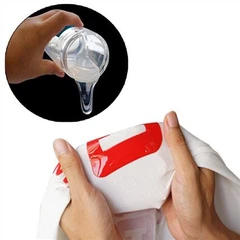


Hey there! As a hot melt adhesive supplier, I'm super stoked to chat with you about what materials this amazing stuff can bond. Hot melt adhesive is one of those versatile products that's used in a ton of industries, and it's pretty mind - blowing what it can stick together.
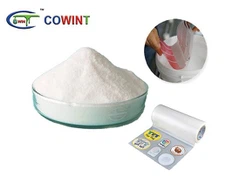
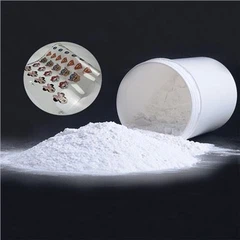
Let's start with the basics. Hot melt adhesive, as the name suggests, is an adhesive that's in a solid state at room temperature. When you heat it up, it turns into a liquid, and once it cools down again, it forms a strong bond. This process is quick, which makes it a favorite in manufacturing and DIY projects alike.
Paper and Cardboard
One of the most common uses of hot melt adhesive is in the paper and packaging industry. You know those cardboard boxes that hold your online shopping? Chances are, hot melt adhesive was used to seal them. It bonds paper and cardboard together really well, creating a strong and reliable seal. Whether it's for small gift boxes or large shipping containers, hot melt adhesive gets the job done.
It's also great for bookbinding. Publishers use it to attach the pages of a book to the spine. The adhesive sets quickly, so the books can be processed faster. And it provides a durable bond that keeps the pages in place, even with a lot of use.


Wood
Woodworking is another area where hot melt adhesive shines. If you're into making furniture or small wooden crafts, this adhesive is a must - have. It can bond different types of wood together, like hardwoods and softwoods. Whether you're joining two pieces of lumber for a table leg or attaching a decorative wooden inlay, hot melt adhesive forms a tight bond.
The advantage of using hot melt adhesive on wood is that it doesn't warp the wood like some other glues can. It dries clear, so it won't leave any unsightly marks on your finished project. And because it sets quickly, you don't have to wait around for hours for the bond to strengthen.
Plastics
Plastics are everywhere, and hot melt adhesive can bond many different types of them. For example, it can bond polyethylene and polypropylene, which are commonly used in packaging and plastic containers. In the automotive industry, hot melt adhesive is used to bond plastic parts together, like interior trim pieces.
When it comes to plastics, the key is to make sure the surface is clean and dry before applying the adhesive. Some plastics have a smooth surface, so it might be a good idea to roughen it up a bit to improve the bond. You can do this with a fine - grit sandpaper.
Fabrics
Fabric bonding is another area where hot melt adhesive is useful. In the textile industry, it's used to attach different fabric layers together. For example, in making waterproof jackets, hot melt adhesive can be used to bond the outer fabric to the waterproof membrane.
It's also handy for DIY sewing projects. If you're making a quilt or a pillow, you can use hot melt adhesive to hold the fabric pieces in place before stitching them. This makes the sewing process a lot easier, especially for beginners.
Metals
Hot melt adhesive can also bond certain metals. In the electronics industry, it's used to bond small metal components together. It provides a good electrical insulation while creating a strong mechanical bond.
However, bonding metals requires a bit more attention. The metal surface needs to be free of rust, oil, and dirt. You might need to use a primer to improve the adhesion. And depending on the type of metal, you may need to choose a specific type of hot melt adhesive that's formulated for metal bonding.
Glass
Believe it or not, hot melt adhesive can bond glass in some cases. It's often used in the production of small glass items, like decorative glassware. The adhesive forms a clear bond, which is important for maintaining the aesthetic appeal of the glass.
When bonding glass, it's crucial to apply the adhesive evenly. You also need to be careful not to apply too much pressure, as glass is brittle and can crack easily.
Use with Digital Transfer Printing Film
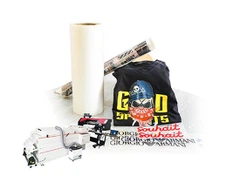
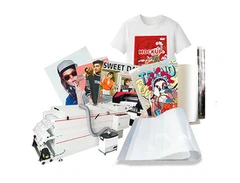
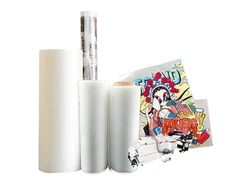
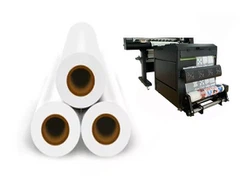
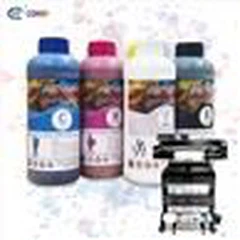
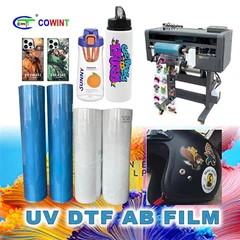
Now, let's talk about some specific products that work well with hot melt adhesive. If you're in the printing industry, you might be interested in Digital Transfer Printing Film /PET Roll Film. This film is used in digital transfer printing, and hot melt adhesive can be used to bond it to different substrates.
Another great product is 60cm*100m PET Materials DTF Transfer Printing Film. It's perfect for t - shirt printing and other fabric printing applications. The hot melt adhesive can ensure a strong bond between the film and the fabric, so the print doesn't peel off easily.
And for those looking for a high - quality film for hot peel applications, check out HOT PEEL SINGLE MATTE DTF FILM. Hot melt adhesive can be used in the process of applying this film, providing a reliable bond for a great - looking print.
Conclusion
As you can see, hot melt adhesive is an incredibly versatile product. It can bond a wide range of materials, from paper and wood to plastics, fabrics, metals, and glass. Whether you're a large - scale manufacturer or a DIY enthusiast, there's a good chance that hot melt adhesive can meet your bonding needs.
If you're interested in using hot melt adhesive for your projects or business, I'd love to chat with you. We can discuss the best type of adhesive for your specific application and answer any questions you might have. Just reach out, and let's start a conversation about how we can work together to get your bonding projects done right.
References
- "Handbook of Adhesive Technology" by A. Pizzi and K. L. Mittal
- "Adhesives and Sealants Technology: Theory and Practice" by J. D. Minford