







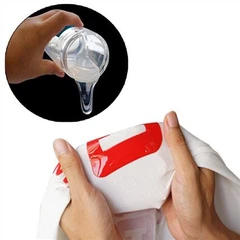


How does the adhesive adhesion to ceramic materials affect the bonding?

Hey there! I'm a supplier of hot melt adhesives, and today, I wanna talk about how the adhesion of adhesives to ceramic materials impacts the bonding process. Ceramic materials are widely used in various industries, from construction to electronics. And when it comes to joining them, having a good - performing adhesive is crucial.
First off, let's understand what ceramic materials are like. Ceramics are known for their hardness, high melting points, and chemical resistance. But these very properties can make it a bit tricky for adhesives to bond well with them. The surface of ceramics is often smooth and non - porous, which means there aren't many nooks and crannies for the adhesive to grip onto.
One of the key factors in adhesive adhesion is the surface energy. Ceramic materials usually have a lower surface energy compared to some other materials. For an adhesive to bond properly, it needs to wet the surface of the ceramic effectively. Wetting is all about how well the adhesive spreads out on the ceramic surface. If the surface energy of the ceramic is too low, the adhesive may bead up instead of spreading, leading to poor adhesion.
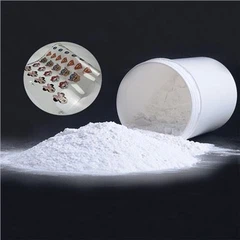
As a hot melt adhesive supplier, we've learned that the type of hot melt adhesive also plays a massive role. There are different kinds of hot melt adhesives, such as EVA (Ethylene - Vinyl Acetate), APAO (Amorphous Poly - Alpha - Olefin), and PUR (Polyurethane Reactive). EVA hot melt adhesives are pretty common. They're affordable and have good initial tack. However, when it comes to bonding with ceramic materials, their adhesion may not always be top - notch, especially in high - stress or high - temperature applications.
On the other hand, PUR hot melt adhesives offer better adhesion to ceramics. They react with moisture in the air to form a strong, cross - linked bond. This makes them suitable for applications where the bond needs to withstand a lot of force or where the temperature can change. But they're also a bit more expensive compared to EVA hot melts.
The preparation of the ceramic surface is another important aspect. Before applying the hot melt adhesive, the ceramic surface should be cleaned thoroughly. Any dust, grease, or other contaminants can act as a barrier between the adhesive and the ceramic, reducing the adhesion. A simple wiping with a solvent like isopropyl alcohol can often do the trick.
Now, let's talk about how the adhesion affects the overall bonding. When the adhesive adheres well to the ceramic material, the bond is more likely to be strong and durable. In a construction setting, for example, if you're using hot melt adhesive to bond ceramic tiles to a wall, a good adhesion will prevent the tiles from falling off over time. The bond must be able to withstand the weight of the tiles, as well as any vibrations or movements in the building.
In the electronics industry, ceramic components are often bonded together using adhesives. A strong adhesion ensures that the components stay in place, even when the device is subjected to shocks or temperature changes. This is crucial for the proper functioning and reliability of the electronic device.
But what if the adhesion is poor? Well, it can lead to all sorts of problems. The bond may break easily under stress, causing the parts to separate. This can result in product failures, which are not only costly but also frustrating for the end - users.
Here at our company, we've seen firsthand how different types of adhesives perform with ceramic materials. That's why we're constantly researching and developing new formulations to improve the adhesion of our hot melt adhesives to ceramics.
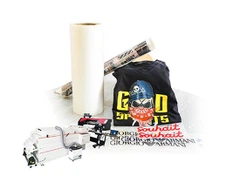
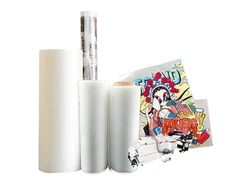
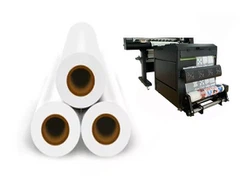
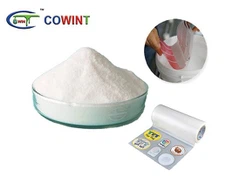
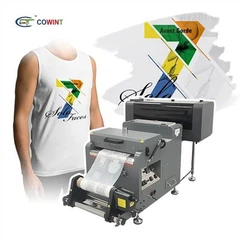
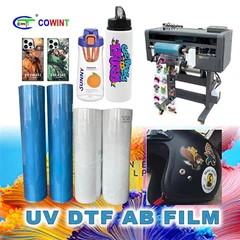
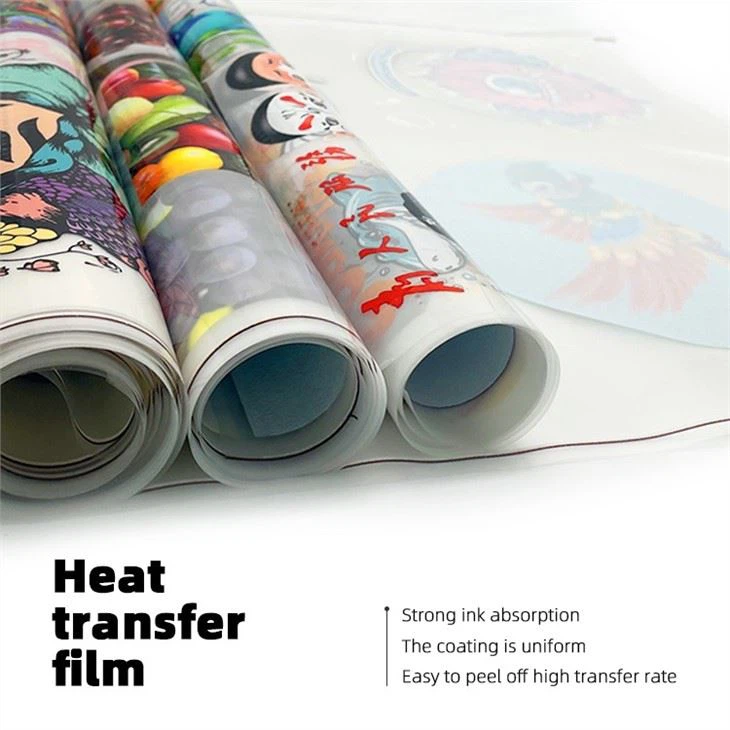
We also offer a range of related products that can be used in combination with our hot melt adhesives. For example, you might be interested in our Transfer Sheet. It's a great option for applications where you need to transfer a pattern or design onto a ceramic surface. Our Hot Fix Tape is also very useful. It can provide an extra layer of support and adhesion in certain bonding applications. And if you're in the digital transfer printing business, our DTF Clear Pet Film is a must - have. It works well with our hot melt adhesives to ensure high - quality transfers onto ceramic materials.
If you're in the market for hot melt adhesives for bonding ceramic materials, or if you want to learn more about our related products, don't hesitate to reach out. We're here to help you find the best solution for your bonding needs. Whether you're a small - scale crafter or a large - scale manufacturer, we've got the products and expertise to support you.
In conclusion, the adhesion of adhesives to ceramic materials is a critical factor in the bonding process. By understanding the properties of ceramics, choosing the right adhesive type, and preparing the surface properly, you can achieve strong and reliable bonds. And as your hot melt adhesive supplier, we're committed to providing you with the best products and advice to make your bonding projects a success. So, get in touch, and let's chat about your next bonding challenge!
References