








In today's creative world, stationery isn't just about functionality; it's also a canvas for self - expression. Transfer film offers an excellent way to add unique and eye - catching designs to stationery. As a transfer film supplier, I am here to share some tips on how to decorate stationery with transfer film neatly.
Understanding Transfer Film
Before we delve into the decoration process, it's essential to understand the different types of transfer film available. There are various options, each with its own characteristics and applications.
Hot Fix Tape
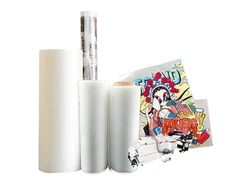
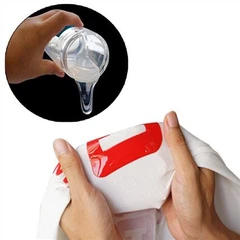
Hot Fix Tape is a popular choice for adding small, detailed designs to stationery. It consists of a backing paper with adhesive and a decorative layer. The heat - activated adhesive allows the design to be transferred onto the stationery surface when heat is applied. This type of transfer film is great for adding small logos, symbols, or patterns.
3D Transfer Film
3D Transfer Film creates a three - dimensional effect on the stationery. It adds depth and texture to the design, making it more visually appealing. This film is often used to create embossed - like designs, giving the stationery a high - end and luxurious look.
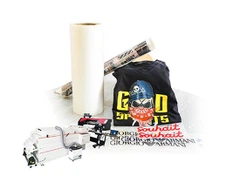
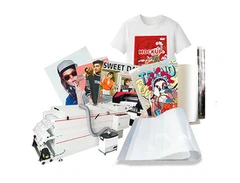
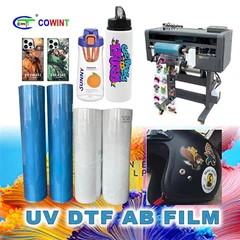
Cowint DTF Film Heat Transfer Direct To Film
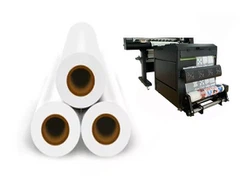
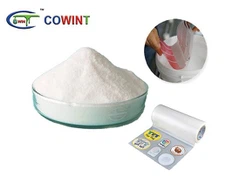
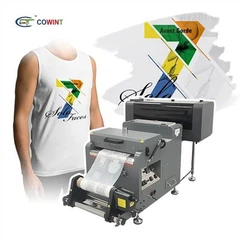
Cowint DTF Film Heat Transfer Direct To Film is a relatively new technology in the transfer film market. It allows for high - resolution printing directly onto the film, which can then be transferred to the stationery. This type of film is suitable for complex and detailed designs, such as photos or full - color graphics.
Preparing the Stationery
The first step in decorating stationery with transfer film is to prepare the stationery surface. This ensures that the transfer film adheres properly and the design looks neat.
Cleaning the Surface
Make sure the stationery is clean and free of dust, dirt, and fingerprints. You can use a mild cleaning solution and a soft cloth to wipe the surface. For plastic or metal stationery, avoid using abrasive cleaners that could scratch the surface.
Smoothing the Surface
If the stationery has any rough or uneven areas, try to smooth them out. For paper - based stationery, you can use a bone folder or a smooth object to flatten any wrinkles. For other materials, sanding the surface lightly (if appropriate) can help create a better base for the transfer film.
Selecting the Right Design
Choosing the right design is crucial for a neat and attractive decoration. Consider the following factors:
Compatibility with the Stationery
The design should complement the style and function of the stationery. For example, a minimalist design might be more suitable for a simple notebook, while a colorful and elaborate design could work well on a pen case.


Size and Placement
Determine the size of the design based on the available space on the stationery. Plan the placement carefully to ensure that the design is centered and balanced. You can use a ruler or a template to mark the position before applying the transfer film.
Applying the Transfer Film
Now, let's get into the actual process of applying the transfer film.
Cutting the Film
Use a sharp pair of scissors or a craft knife to cut the transfer film according to the size of the design. Make sure to cut it slightly larger than the actual design area to allow for any adjustments during the transfer process.
Positioning the Film
Carefully place the transfer film on the stationery surface, aligning it with the marked position. If the film has a backing paper, make sure to keep it in place until you are ready to transfer the design.
Applying Heat
The method of applying heat depends on the type of transfer film. For hot fix tape, you can use a heat press or a household iron. Set the heat to the appropriate temperature according to the manufacturer's instructions. Place a thin cloth or a piece of parchment paper over the transfer film to protect it from direct heat. Apply pressure evenly for the recommended time.
For 3D transfer film and Cowint DTF Film Heat Transfer Direct To Film, a heat press is usually the best option. The heat press can provide consistent heat and pressure, ensuring a successful transfer. Make sure to follow the specific instructions for each type of film.
Finishing Touches
After the transfer is complete, there are a few finishing touches to make the decoration look even neater.
Trimming the Edges
Once the transfer film has cooled down, use a sharp blade to trim any excess film around the edges. This gives the design a clean and professional look.
Protecting the Design
If necessary, you can apply a clear protective coating over the design to prevent it from scratching or fading. There are various types of protective sprays or coatings available in the market.
Troubleshooting
Sometimes, things might not go as planned during the decoration process. Here are some common issues and how to solve them:
Bubbles or Wrinkles
If you notice bubbles or wrinkles in the transfer film, try to gently lift the film and smooth them out before applying more heat. If the bubbles are already set, you may need to re - heat the area slightly and press down firmly to remove them.
Poor Adhesion
If the transfer film doesn't adhere well to the stationery, check the temperature and pressure settings. Make sure the surface was clean and dry before application. You may also need to try a different type of transfer film that is more suitable for the stationery material.
Conclusion
Decorating stationery with transfer film can be a fun and rewarding activity. By following these steps, you can achieve a neat and professional - looking decoration. As a transfer film supplier, we offer a wide range of high - quality transfer films to meet your creative needs. Whether you are a DIY enthusiast or a professional stationery manufacturer, our products can help you bring your designs to life.
If you are interested in purchasing our transfer films or have any questions about the decoration process, please feel free to contact us for further discussion and negotiation. We are looking forward to working with you to create amazing stationery decorations.
References
- "The Art of Stationery Decoration" by Crafting Experts
- Manufacturer's instructions for various transfer films