











Hey there! As a supplier of Transfer Print Ink, I've been getting a lot of questions lately about how to make our ink more heat - conductive. And let me tell you, it's a pretty important topic. Heat conductivity in transfer print ink can have a huge impact on the quality and efficiency of the transfer process. So, I thought I'd share some tips and insights on this matter.
First off, let's understand why heat conductivity matters. When we're doing transfer printing, heat is used to transfer the ink from the transfer medium to the substrate. If the ink isn't heat - conductive enough, the transfer might not be uniform. You could end up with parts of the design that are faded or not fully transferred, which is a big no - no. Also, better heat conductivity can speed up the transfer process, saving time and energy.
One of the ways to enhance the heat conductivity of transfer print ink is by adding certain fillers. There are a bunch of materials out there that are known for their high thermal conductivity. For example, metals like copper and aluminum are great candidates. These metals have a lattice structure that allows heat to move through them quickly. When we add tiny particles of these metals to our ink, they act as little heat conduits. The heat can then spread more evenly throughout the ink during the transfer process.
But it's not as simple as just dumping in some metal particles. We have to be careful about the size and concentration of these fillers. If the particles are too large, they can clog the printing equipment or cause uneven distribution in the ink. And if we add too much of them, the viscosity of the ink can change, affecting its printability. So, it's all about finding that sweet spot.
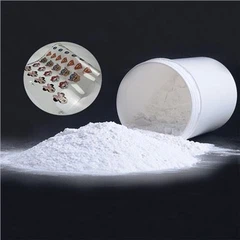
Another option is to use carbon - based materials. Graphite, for instance, is a well - known conductor of heat. It has a layered structure that enables heat to travel along the layers easily. Adding graphite powder to our transfer print ink can significantly improve its thermal conductivity. And the best part is, graphite is relatively lightweight and doesn't have a huge impact on the ink's viscosity as long as we use it in the right amount.
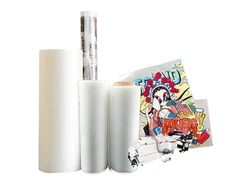
Now, let's talk about the role of the medium in heat transfer. The Hot Fix Tape we use can play a big part in how well the heat is transferred to the ink. A good hot fix tape should have decent heat transfer properties itself. It should be able to absorb and distribute the heat evenly to the ink layer. Some tapes are designed specifically for high - heat transfer applications, and using these can make a noticeable difference in the overall heat conductivity of the transfer system.
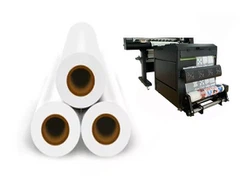
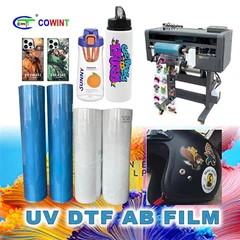
Similarly, the Film For Thermal Transfer is another crucial component. A high - quality film can act as a bridge between the heat source and the ink. It should be able to withstand high temperatures without deforming and should transfer the heat efficiently to the ink. There are different types of films available, each with its own set of properties. We need to choose the one that best suits our ink and the transfer process we're using.
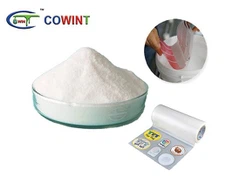
In addition to the fillers and the transfer medium, the Transfer Print Chemical can also influence heat conductivity. Some chemicals can enhance the interaction between the ink components and the heat. For example, certain surfactants can improve the dispersion of the heat - conductive fillers in the ink, making the heat transfer more efficient. And there are also some additives that can increase the thermal stability of the ink, allowing it to better handle the high temperatures during the transfer process.
When we're formulating our ink to be more heat - conductive, we also have to consider the compatibility of all the components. All the fillers, chemicals, and additives we use should work well together. Otherwise, we could end up with a mess. For example, if a filler reacts with a chemical in the ink, it could change the properties of the ink in an unwanted way, like causing it to dry too quickly or become too sticky.
We also need to test our new ink formulations thoroughly. We can use specialized equipment to measure the heat conductivity of the ink. There are thermal conductivity meters that can give us an accurate reading of how well the ink transfers heat. We can also do some practical tests by performing transfer printing with the new ink and comparing the results with our standard ink. Look for things like the sharpness of the design, the intensity of the color, and the overall transfer quality.
Another aspect to keep in mind is the environmental conditions during the transfer process. Temperature and humidity can affect the heat transfer and the performance of the ink. In a humid environment, the moisture in the air can interfere with the heat transfer mechanism. So, it's important to control these conditions as much as possible. If we're in a place with high humidity, we might need to adjust our ink formulation or the transfer process parameters to compensate.
In conclusion, making transfer print ink more heat - conductive is a multi - faceted process. It involves choosing the right fillers, considering the transfer medium and chemicals, ensuring compatibility of all components, and conducting thorough testing. By paying attention to these details, we can produce an ink that offers better transfer quality and efficiency.
If you're in the market for high - quality transfer print ink with excellent heat - conductive properties, I'd love to have a chat with you. Whether you're a small - scale printer or a large - scale manufacturer, we can work together to find the best solution for your needs. Just reach out, and we can start discussing your requirements and how our ink can fit into your production process.


References
- "Handbook of Thermal Conductivity of Solids and Liquids"
- "Advanced Materials for Thermal Management in Electronics"
- Industry research papers on transfer printing technology