





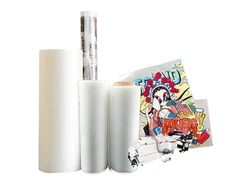
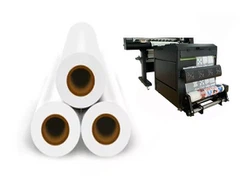
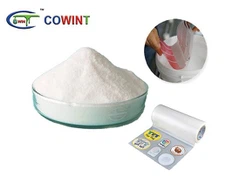






Hey there! As a supplier of Transfer Sheets, I've seen firsthand how crucial it is to store these sheets properly. Transfer sheets, like the ones you can find here, are sensitive products that can be affected by various environmental factors. In this blog, I'll share some tips on how to store transfer sheets to ensure they stay in top - notch condition for as long as possible.
Understanding Transfer Sheets
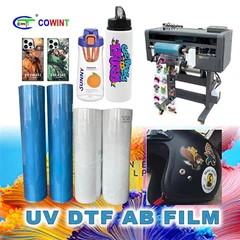
Before we dive into the storage methods, let's quickly talk about what transfer sheets are. Transfer sheets are used in various printing processes, such as Heat Transfer. They're designed to transfer an image or pattern onto another surface, like fabric, ceramic, or metal. There are different types of transfer sheets, including DTF (Direct - to - Film) transfer sheets and the DTF Clear Pet Film. Each type has its own set of characteristics, but they all require proper storage.
Ideal Storage Conditions
Temperature
Temperature plays a huge role in the longevity of transfer sheets. Extreme temperatures can cause the sheets to warp, curl, or even damage the ink on them. The ideal temperature range for storing transfer sheets is between 60°F and 75°F (15°C - 24°C). This is a relatively stable temperature zone that helps maintain the integrity of the sheets.
If the temperature is too high, the adhesive on the transfer sheets can become sticky and start to melt. This can lead to the sheets sticking together, making them unusable. On the other hand, if it's too cold, the sheets can become brittle and crack easily. So, make sure to store your transfer sheets in a place where the temperature is well - regulated.


Humidity
Humidity is another factor that can mess with transfer sheets. High humidity can cause the sheets to absorb moisture, which can lead to mold growth and ink smudging. The recommended humidity level for storing transfer sheets is between 40% and 50%. You can use a hygrometer to measure the humidity in the storage area.
If the humidity is too high, you can use a dehumidifier to bring it down. Conversely, if it's too low, you can use a humidifier to add some moisture to the air. This will help keep the transfer sheets in good condition.
Light Exposure
Exposure to direct sunlight or strong artificial light can fade the colors on transfer sheets over time. UV rays can break down the pigments in the ink, causing the images to lose their vibrancy. So, it's best to store transfer sheets in a dark place. You can use opaque storage containers or cabinets to protect them from light.
Storage Containers
Choosing the right storage container is also important. You want a container that can protect the transfer sheets from dust, dirt, and physical damage. Here are some options:
Plastic Storage Bins
Plastic storage bins are a popular choice for storing transfer sheets. They're relatively inexpensive, come in various sizes, and are easy to clean. Make sure to choose a bin that's large enough to hold the sheets without folding or bending them. You can also use dividers inside the bin to keep different types of transfer sheets organized.
File Folders
If you have a small number of transfer sheets, file folders can be a good option. They're lightweight and easy to store on a shelf. You can label each folder to keep track of the different types of transfer sheets. Just make sure to choose acid - free file folders to prevent any chemical reactions with the sheets.
Envelopes
For individual transfer sheets, envelopes can provide a simple and effective way to store them. You can use manila envelopes or plastic sleeves. Make sure to seal the envelopes properly to keep out dust and moisture.
Organizing Your Storage
Proper organization is key to easy access and long - term storage of transfer sheets. Here are some tips on how to organize your storage:
Categorize by Type
Group your transfer sheets by type, such as DTF transfer sheets, heat transfer sheets, or the DTF Clear Pet Film. This will make it easier to find the sheets you need when you're working on a project.
Label Everything
Label your storage containers, folders, and envelopes clearly. Include information such as the type of transfer sheet, the date of purchase, and any special instructions. This will save you time and hassle when you're looking for a specific sheet.
First - In, First - Out (FIFO)
When you're using your transfer sheets, follow the FIFO principle. This means using the oldest sheets first to prevent them from sitting in storage for too long. This will help ensure that you're always using fresh transfer sheets.
Handling Transfer Sheets
Proper handling of transfer sheets is also important to prevent damage. Here are some handling tips:
Wash Your Hands
Before handling transfer sheets, make sure to wash your hands thoroughly. Oils and dirt from your hands can transfer onto the sheets and affect the printing quality. Use a mild soap and dry your hands completely before touching the sheets.
Use Gloves
If you're handling a large number of transfer sheets or if you have particularly oily skin, you can wear gloves. Make sure to use clean, lint - free gloves to avoid leaving any fibers on the sheets.
Avoid Folding or Bending
When moving or storing transfer sheets, be careful not to fold or bend them. Even a small crease can cause the ink to crack or the sheet to delaminate. If you need to cut the sheets, use a sharp, clean blade to make a smooth cut.
Long - Term Storage
If you're planning to store transfer sheets for an extended period, there are a few additional steps you can take:
Vacuum Sealing
Vacuum sealing can be a great option for long - term storage. It removes the air from the storage bag, which helps prevent oxidation and moisture buildup. You can use a vacuum sealer to seal the transfer sheets in a plastic bag. Just make sure to label the bag with the contents and the date of storage.
Check Regularly
Even if you're storing the transfer sheets properly, it's a good idea to check on them regularly. Look for any signs of damage, such as mold, warping, or ink fading. If you notice any issues, take action immediately to prevent further damage.
Conclusion
Storing transfer sheets properly is essential to ensure their quality and longevity. By following the tips in this blog, you can keep your transfer sheets in great condition for as long as possible. Remember, the right temperature, humidity, and light exposure, along with proper storage containers and organization, are the keys to successful storage.
If you're interested in purchasing high - quality transfer sheets, we're here to help. We offer a wide range of Transfer Sheets that are suitable for various printing needs. Whether you're a small business or a hobbyist, we have the products you're looking for. Don't hesitate to reach out and start a conversation about your requirements. We're always happy to assist you in finding the perfect transfer sheets for your projects.
References
- General knowledge from years of experience as a Transfer Sheet supplier.
- Industry best practices for storing printing materials.