







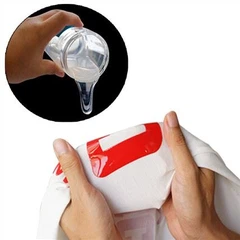


Transfer powder is a crucial component in the transfer printing process, playing a significant role in achieving high - quality and long - lasting prints on various substrates. As a transfer powder supplier, I'm here to share some essential tips on how to use transfer powder correctly.

Understanding Transfer Powder
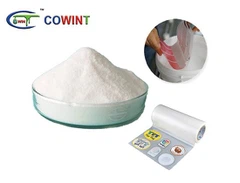
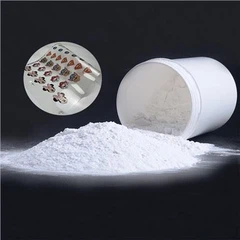
Before delving into the correct usage, it's important to understand what transfer powder is. Transfer powder is a fine powder that is used in combination with transfer inks or adhesives. It helps to enhance the adhesion of the printed design to the fabric or other materials, and also provides a certain degree of texture and durability to the print.
Preparation Work
- Substrate Selection
The first step in using transfer powder correctly is to choose the right substrate. Different substrates have different properties, and not all of them are suitable for transfer printing with transfer powder. For example, natural fibers like cotton and silk generally absorb the powder and ink better than synthetic fibers. However, with the right techniques and products, transfer printing can also be successfully done on synthetic materials. - Design Printing
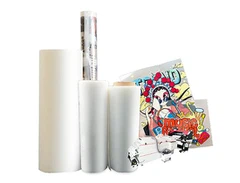
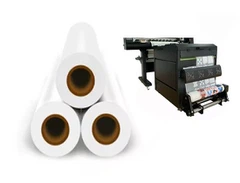
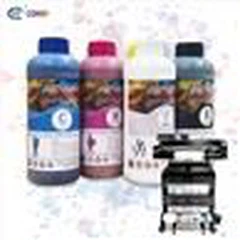
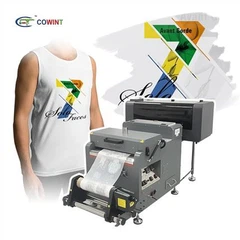
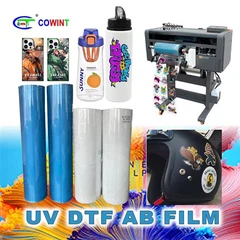
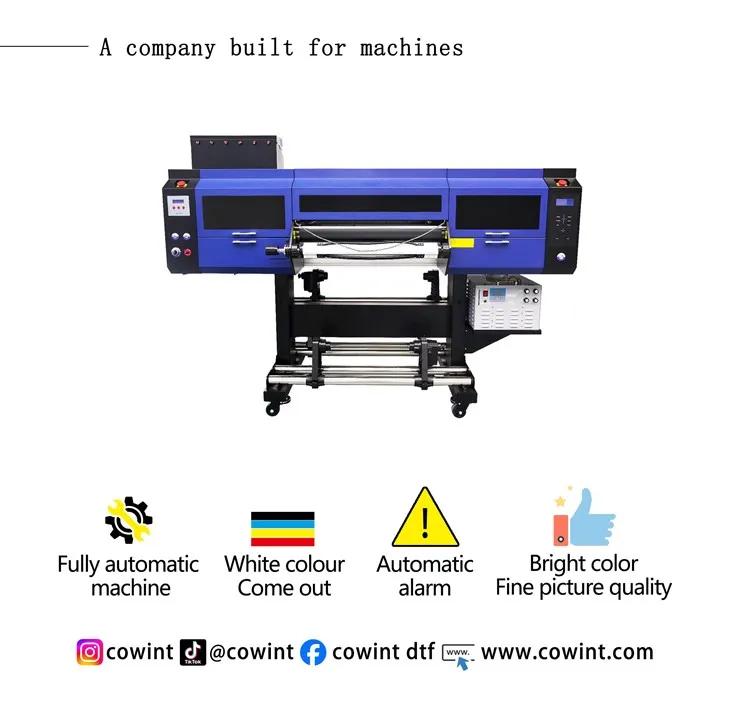
Print your desired design on a transfer paper using a suitable printer. Make sure the printer settings are optimized for the type of ink and transfer paper you are using. For high - resolution and vivid prints, it's recommended to use printers that are specifically designed for transfer printing. If you're looking for advanced printing equipment, you can check out our KW - UV 603 3 Epson I3200 Printheads UV DTF Printer. This printer offers excellent performance and is suitable for a wide range of transfer printing applications. - Gather Necessary Tools
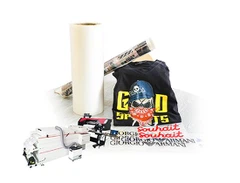
You will need some basic tools for the transfer powder application process, such as a powder shaker or a powder applicator, a heat press machine, and a scraper. Ensure that all these tools are clean and in good working condition before you start.
Applying Transfer Powder
- Even Application
Once the design is printed on the transfer paper, it's time to apply the transfer powder. Use a powder shaker or applicator to evenly sprinkle the powder over the printed design. Make sure to cover the entire design area with a thin and uniform layer of powder. Avoid applying too much powder, as it can lead to a messy appearance and may cause problems during the transfer process. - Removing Excess Powder
After applying the powder, gently tap the transfer paper to remove any excess powder. You can also use a scraper to carefully scrape off the loose powder from the non - printed areas. This step is important to ensure a clean and precise transfer.
Transferring the Design
- Heat Pressing
Place the transfer paper, with the powder - coated design facing down, onto the substrate. Set the heat press machine to the appropriate temperature and pressure according to the type of transfer powder and substrate you are using. Generally, the temperature for transfer printing ranges from 130°C to 180°C, and the pressure should be evenly distributed across the transfer area. The heating time also varies, usually between 10 to 30 seconds. - Peeling the Transfer Paper
After the heat pressing is completed, carefully peel off the transfer paper while it is still hot. Start from one corner and slowly peel it back at a 45 - degree angle. If the transfer paper doesn't peel off easily, it may indicate that the temperature or pressure was not set correctly. In such cases, you may need to re - heat the transfer area slightly and try again.
Post - Transfer Care
- Cooling and Setting
Allow the transferred design to cool down completely. This helps the transfer powder to fully set and bond with the substrate. Avoid touching or rubbing the design during the cooling process to prevent any damage. - Washing Instructions
Once the design has cooled, it's important to follow the correct washing instructions. Generally, it's recommended to wash the printed item inside out in cold water with a mild detergent. Avoid using harsh chemicals or bleach, as they can damage the transfer.
Troubleshooting
- Poor Adhesion
If the transferred design shows poor adhesion, it could be due to several reasons. The most common causes are incorrect temperature or pressure settings during heat pressing, using the wrong type of transfer powder for the substrate, or insufficient powder application. Check the heat press settings and make sure you are using the appropriate transfer powder for your substrate. - Blurry or Faded Prints
Blurry or faded prints may be caused by low - quality ink, incorrect printer settings, or improper powder application. Ensure that you are using high - quality ink and that your printer is calibrated correctly. Also, make sure to apply the transfer powder evenly and remove any excess powder before heat pressing.
Using Transfer Powder with Other Products
Transfer powder can be used in combination with other transfer - related products to achieve different effects. For example, Hot Fix Tape can be used to add decorative elements to the transferred design. The tape can be applied before or after the transfer process, depending on the desired effect.
Another option is OEM 3D Transfer. This product can create a three - dimensional effect on the transferred design, adding more depth and visual appeal. When using transfer powder with these products, make sure to follow the specific instructions for each product to ensure the best results.
Conclusion
Using transfer powder correctly is essential for achieving high - quality transfer prints. By following the steps outlined above, you can ensure that your transfer prints are vibrant, durable, and have excellent adhesion. Whether you are a small - scale crafter or a large - scale printing business, these tips will help you make the most of transfer powder in your transfer printing projects.
If you are interested in purchasing high - quality transfer powder or have any questions about our products, please feel free to contact us for a detailed discussion. We are committed to providing you with the best transfer powder solutions and excellent customer service.
References
- "Transfer Printing Technology Handbook", a comprehensive guide on transfer printing techniques and materials.
- Industry research reports on the latest trends and developments in transfer powder and transfer printing.