


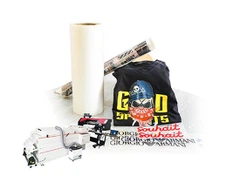
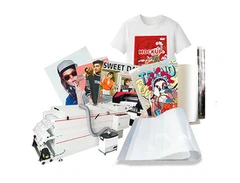

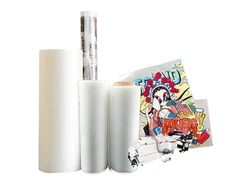
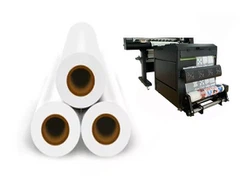
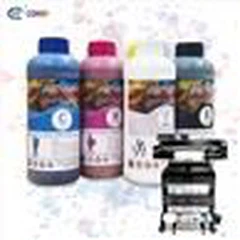
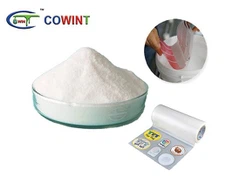
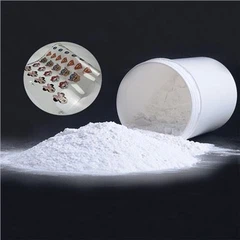

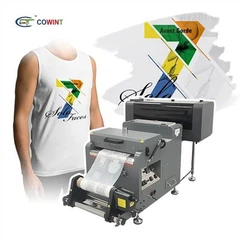




Hey there! As a supplier of transfer powder, I've seen firsthand the ins and outs of using this product. Transfer powder is a key component in the direct-to-film (DTF) printing process, which has become increasingly popular for its versatility and high-quality results. However, like any product, it comes with its own set of common problems. In this blog post, I'll share some of the most frequent issues users encounter when using transfer powder and offer some solutions to help you get the best out of your transfer powder.
1. Poor Adhesion
One of the most common problems when using transfer powder is poor adhesion. This means that the powder doesn't stick well to the printed design on the DTF film, resulting in a transfer that looks patchy or peels off easily. There are several reasons why this might happen.
Incorrect Powder Application
If the powder isn't applied evenly or in the right amount, it can lead to poor adhesion. You need to make sure that the powder covers the entire printed area of the film. Sometimes, users might apply too little powder, which won't provide enough substance for a strong bond. On the other hand, applying too much powder can also be a problem as it might not melt properly and could create a thick, uneven layer.


Solution: Use a powder shaker or a powder applicator to ensure an even distribution of the powder. Start with a light layer and then add more if needed. Make sure to shake off any excess powder gently before melting it.
Improper Melting
Another reason for poor adhesion could be improper melting of the powder. The powder needs to be melted at the right temperature and for the right amount of time. If the temperature is too low, the powder won't melt completely, and if it's too high, it can burn the powder and damage the film.
Solution: Refer to the manufacturer's instructions for the recommended melting temperature and time. Use a heat press or a melting machine with temperature and time controls to ensure accurate settings. You can also do some test runs on scrap materials to find the perfect settings for your specific transfer powder and film combination.
2. Color Issues
Color issues are also quite common when using transfer powder. These can range from color fading to color distortion.
Fading
Color fading can occur over time, especially if the transfer is exposed to sunlight, heat, or harsh chemicals. This is because the pigments in the powder can break down under these conditions.
Solution: Use high-quality transfer powder that contains UV-resistant pigments. Also, make sure to follow the aftercare instructions for the transferred item. For example, avoid washing the item in hot water or using harsh detergents.
Distortion
Color distortion can happen when the powder doesn't melt evenly or when there are impurities in the powder. This can result in the colors looking different from the original design.
Solution: Ensure that the powder is melted evenly as described above. Also, buy transfer powder from a reputable supplier to minimize the risk of impurities. At our company, we take great care in the manufacturing process to ensure the purity and quality of our transfer powder.
3. Powder Clumping
Powder clumping is a frustrating problem that can make the application process difficult. Clumps of powder can create uneven coverage on the film and lead to a poor-quality transfer.
Humidity
One of the main causes of powder clumping is humidity. If the powder is stored in a humid environment, it can absorb moisture and form clumps.
Solution: Store the transfer powder in a dry place, preferably in an airtight container. You can also use a desiccant pack in the container to absorb any moisture.
Old or Expired Powder
Old or expired powder is more likely to clump. Over time, the powder can degrade and lose its free-flowing properties.
Solution: Check the expiration date of the powder before using it. If the powder is old, it's best to replace it with a fresh batch.
4. Film Compatibility
Not all transfer powders are compatible with all types of DTF films. Using an incompatible powder and film combination can lead to a variety of problems, including poor adhesion and color issues.
Different Film Surfaces
Some DTF films have different surface finishes, such as matte or glossy. The powder might not adhere well to certain surface finishes if it's not designed for them.
Solution: Make sure to choose a transfer powder that is specifically designed for the type of DTF film you're using. For example, if you're using Cowint DTF Film Heat Transfer Direct To Film, check with the powder manufacturer to ensure compatibility. You can also try different powder and film combinations on a small scale to see which works best for your needs.
5. Static Electricity
Static electricity can be a nuisance when working with transfer powder. It can cause the powder to stick to unwanted surfaces, such as the sides of the powder shaker or the workbench, making it difficult to apply the powder evenly.
Dry Environment
Static electricity is more likely to occur in a dry environment. When the air is dry, there is less moisture to conduct electricity, which allows static charges to build up.
Solution: Increase the humidity in your workspace. You can use a humidifier to add moisture to the air. Another option is to ground yourself before handling the powder. You can do this by touching a grounded metal object, such as a metal pipe or a grounded electrical outlet.
6. Transfer Quality on Different Fabrics
The quality of the transfer can vary depending on the type of fabric you're using. Some fabrics might not hold the transfer as well as others, resulting in a less durable or less vibrant transfer.
Fabric Texture
Fabrics with a rough or uneven texture can make it difficult for the powder to adhere properly. The powder might not be able to penetrate the fibers of the fabric, leading to a weaker bond.
Solution: Pre-treat the fabric before applying the transfer. You can use a fabric primer or a heat-activated adhesive to improve the adhesion of the powder. Also, choose fabrics that are more suitable for DTF transfers, such as cotton or polyester blends.
Conclusion
Using transfer powder can be a great way to create high-quality transfers, but it's important to be aware of these common problems and how to solve them. By following the tips and solutions I've shared in this post, you can minimize the issues and achieve better results.
If you're interested in purchasing transfer powder or have any questions about our products, we'd love to hear from you. We're always happy to help you find the right transfer powder for your specific needs. Contact us to start a purchase negotiation, and let's create some amazing transfers together!
References
- Industry knowledge and experience as a transfer powder supplier.
- Manufacturer's instructions and guidelines for transfer powder and DTF films.