










As a reputable ODM 3D Transfer supplier, we are constantly at the forefront of innovation, striving to provide high - quality 3D transfer products. In this blog, we will delve into the fire - retardant properties of the transferred 3D objects in ODM 3D Transfer, exploring the significance, testing methods, and real - world applications.
Significance of Fire - Retardant Properties in ODM 3D Transfer
Safety is a paramount concern in various industries, and the fire - retardant properties of transferred 3D objects play a crucial role. In consumer products, such as home decor items, toys, or furniture with 3D transfers, fire - retardancy can prevent the rapid spread of fire, potentially saving lives and reducing property damage. In industrial applications, for example, in automotive interiors or electrical equipment components, fire - retardant 3D transfers ensure that the products meet strict safety standards and regulations.
From a market perspective, products with fire - retardant transferred 3D objects are more appealing to customers, especially those in high - risk environments. This can enhance the market competitiveness of the end - products, driving up demand for our ODM 3D Transfer services.


Mechanisms of Fire - Retardancy in 3D Transfer
The fire - retardant properties of transferred 3D objects are achieved through several mechanisms. One common approach is the use of fire - retardant additives in the materials used for 3D transfer. These additives can interfere with the combustion process at different stages.
For instance, some additives can act as a heat sink, absorbing and dissipating the heat generated during a fire, thus reducing the temperature and slowing down the ignition. Others can release non - flammable gases when exposed to high temperatures. These gases dilute the oxygen in the surrounding environment, making it more difficult for the fire to sustain itself.
Another mechanism is the formation of a protective char layer on the surface of the transferred 3D object. The char layer acts as a physical barrier, preventing oxygen from reaching the underlying material and also reducing the heat transfer to the unburned parts of the object.
Testing the Fire - Retardant Properties
To ensure that the transferred 3D objects meet the required fire - retardant standards, a series of tests are conducted. One of the most widely used tests is the UL 94 test. This test evaluates the flammability of plastic materials and classifies them into different categories based on their performance. For example, materials that can self - extinguish within a certain time after the ignition source is removed are given higher ratings.
Another important test is the Cone Calorimeter test. This test measures the heat release rate, mass loss rate, and other parameters of the material during combustion. A lower heat release rate indicates better fire - retardant properties, as it means that the material is releasing less energy in the form of heat during a fire.
At our company, we conduct strict in - house testing as well as third - party certification to ensure the reliability of the fire - retardant properties of our 3D transferred objects. This gives our customers the confidence that the products they receive meet the highest safety standards.
Types of Fire - Retardant 3D Transfer Materials
There are several types of materials commonly used in ODM 3D Transfer that can be made fire - retardant. One such material is PVC (Polyvinyl Chloride). PVC has inherent fire - retardant properties to some extent due to the presence of chlorine in its chemical structure. However, to enhance its fire - retardancy further, additional additives can be incorporated.
Another popular material is PET (Polyethylene Terephthalate). PET can be modified with fire - retardant additives to improve its performance in fire situations. These materials can be used in combination with our advanced 3D transfer techniques to create high - quality, fire - retardant 3D objects.
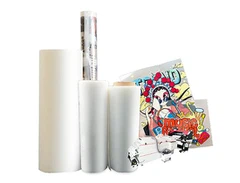
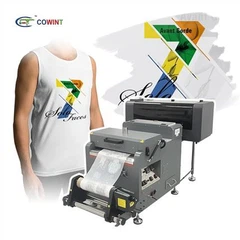
Cowint Special Dtf Film Direct To Film
When it comes to 3D transfer materials, our Cowint Special Dtf Film Direct To Film is a top - notch choice. This film offers excellent adhesion, high - resolution printing capabilities, and can be formulated with fire - retardant additives. The fire - retardant version of this film ensures that the transferred 3D objects are not only aesthetically pleasing but also safe in case of a fire.
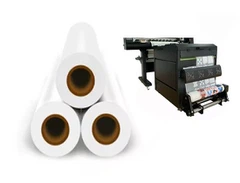
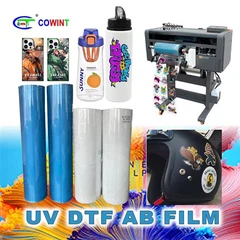
INSTANT PEEL SINGLE MATTE DTF OF FILM
Our INSTANT PEEL SINGLE MATTE DTF OF FILM is another product that is suitable for creating fire - retardant 3D transfers. With its unique instant - peel feature, it simplifies the transfer process. The addition of fire - retardant additives to this film makes it an ideal choice for applications where safety is a concern, such as in the production of protective clothing or safety equipment.
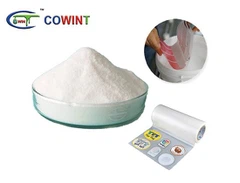
COLD PEEL SINGLE MATTE DTF FILM
The COLD PEEL SINGLE MATTE DTF FILM is also a valuable option for fire - retardant 3D transfers. The cold - peel feature allows for better precision in the transfer process. By integrating fire - retardant properties into this film, we can create transferred 3D objects that are suitable for a wide range of industries, including the aerospace and defense sectors where strict fire - safety regulations are in place.
Real - World Applications
The fire - retardant transferred 3D objects produced through our ODM 3D Transfer services have a plethora of real - world applications. In the construction industry, they can be used for decorative wall panels, ceiling tiles, or even architectural moldings. These products not only add aesthetic value to the buildings but also enhance the fire safety of the structures.
In the transportation industry, fire - retardant 3D transfers can be applied to automotive interiors, aircraft cabin components, and train seats. This helps in meeting the strict safety regulations of the transportation sector and provides passengers with a safer environment.
Contact for Procurement
If you are interested in our ODM 3D Transfer services and the fire - retardant properties of our transferred 3D objects, we encourage you to contact us for procurement and further discussions. We are committed to providing customized solutions to meet your specific needs and ensuring that your products are both high - quality and safe.
References
- ASTM International. "Standard Test Methods for Flammability of Plastic Materials for Parts in Devices and Appliances."
- ISO. "International Standards for Fire - Retardant Testing of Materials."
- UL. "UL 94 Flammability Standard for Plastic Materials."