






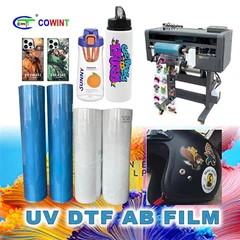
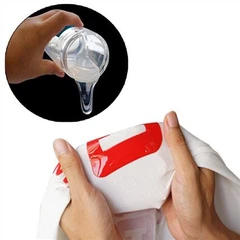


ODM 3D Transfer materials are a revolutionary addition to the printing and transfer industry, offering unique and eye - catching results for various applications. As an ODM 3D Transfer supplier, I understand the importance of proper storage to maintain the quality and performance of these materials. In this blog, I'll delve into the storage requirements for ODM 3D Transfer materials to ensure that they remain in optimal condition until they are ready for use.
Temperature and Humidity Control
One of the most critical factors in storing ODM 3D Transfer materials is controlling the temperature and humidity of the storage environment. These materials are sensitive to extreme conditions, which can cause them to degrade or lose their effectiveness.
Temperature
The ideal temperature range for storing ODM 3D Transfer materials is between 20°C and 25°C (68°F - 77°F). Temperatures outside of this range can have a significant impact on the materials. High temperatures can cause the adhesives on the transfer films to become too soft, leading to sticking and potential damage when the materials are rolled or stacked. On the other hand, low temperatures can make the films brittle, increasing the risk of cracking during handling.
For example, if the storage area is in a warehouse without proper climate control during the summer months, the high temperatures can cause the Hot Peel Double Matte DTF Film to lose its structural integrity. The double - matte finish may become uneven, and the transfer properties may be compromised.
Humidity
Humidity levels also play a crucial role in the storage of ODM 3D Transfer materials. The recommended relative humidity range is between 40% and 60%. High humidity can lead to moisture absorption by the materials, which can affect the adhesive properties and cause the growth of mold or mildew. Low humidity, on the other hand, can cause the materials to dry out, making them more prone to static electricity and damage.
If the humidity in the storage area is too high, the 3D Transfer Film may absorb moisture, leading to a change in its thickness and flexibility. This can result in poor transfer quality and difficulty in achieving the desired 3D effect during the transfer process.
Light and UV Protection
ODM 3D Transfer materials should be stored in an area protected from direct sunlight and excessive artificial light. Ultraviolet (UV) rays can cause the materials to fade, discolor, and degrade over time.
Natural Light
Direct sunlight contains a high amount of UV radiation, which can break down the polymers and dyes in the transfer materials. If the materials are stored near windows or in an area exposed to sunlight, the colors on the DTF Clear Pet Film may fade, and the clarity of the film may be reduced.
Artificial Light
Even artificial light sources, such as fluorescent lights, can emit a small amount of UV radiation. To protect the materials, it is advisable to store them in opaque containers or in a dark room. If the materials need to be stored in an area with artificial light, use low - UV light sources or install UV - blocking filters on the lights.
Storage Containers and Packaging
Proper storage containers and packaging are essential for protecting ODM 3D Transfer materials.
Containers
The materials should be stored in clean, dry, and sealed containers. Plastic or metal containers are ideal as they can provide a barrier against moisture, dust, and physical damage. Make sure the containers are large enough to hold the materials without causing them to be compressed or bent.
Packaging
When the materials are received, they usually come in their original packaging. It is recommended to keep them in this packaging until they are ready to be used. The original packaging is designed to protect the materials during shipping and storage. If the original packaging is damaged, replace it with a suitable alternative.
Stacking and Handling
How the ODM 3D Transfer materials are stacked and handled during storage can also affect their quality.
Stacking
When stacking the materials, make sure they are stacked evenly and not overloaded. Excessive weight on top of the materials can cause them to deform, especially if they are in roll form. For example, if rolls of Hot Peel Double Matte DTF Film are stacked too high, the bottom rolls may be compressed, leading to uneven surfaces and potential damage to the film.


Handling
When handling the materials, use clean and dry hands or gloves to prevent contamination. Avoid dragging or pulling the materials across rough surfaces, as this can cause scratches and damage to the transfer layer.
Shelf Life and Rotation
It is important to be aware of the shelf life of ODM 3D Transfer materials and implement a first - in, first - out (FIFO) inventory management system.
Shelf Life
Each type of ODM 3D Transfer material has a specific shelf life, which is usually indicated by the manufacturer. The shelf life can vary depending on the type of material, its composition, and the storage conditions. For example, some 3D Transfer Film may have a shelf life of up to two years if stored properly, while others may have a shorter shelf life.
FIFO System
Implementing a FIFO system ensures that the oldest materials are used first, reducing the risk of using expired or degraded materials. This can help maintain the quality of the final products and reduce waste.
Monitoring and Inspection
Regular monitoring and inspection of the stored ODM 3D Transfer materials are necessary to detect any signs of damage or degradation early.
Monitoring
Use a temperature and humidity monitor in the storage area to keep track of the environmental conditions. Check the readings regularly and make adjustments to the climate control system if necessary.
Inspection
Periodically inspect the materials for any signs of damage, such as cracks, discoloration, or changes in texture. If any issues are detected, isolate the affected materials and determine the cause to prevent further damage.
In conclusion, proper storage of ODM 3D Transfer materials is crucial for maintaining their quality and performance. By controlling the temperature, humidity, light, and other factors, and by following the best practices for storage containers, stacking, and handling, you can ensure that the materials remain in optimal condition until they are used.
If you are interested in purchasing high - quality ODM 3D Transfer materials, we are here to serve you. Our team of experts can provide you with detailed information about our products and help you choose the right materials for your specific needs. Feel free to contact us to start a procurement discussion.
References
- Industry standards for printing and transfer materials.
- Manufacturer's guidelines for ODM 3D Transfer materials.