











In the dynamic realm of textile and printing industry, Hot Fix Tape plays a pivotal and often under - appreciated role. As a dedicated Hot Fix Tape supplier, I've witnessed firsthand the remarkable versatility and functionality of this product. But the question that many clients, enthusiasts, and industry newcomers often pose is: “What is the bonding mechanism of Hot Fix Tape?” To fully understand this, we need to dive into the science, technology, and practical applications of this adhesive tape.
The Basic Components of Hot Fix Tape
Before discussing the bonding mechanism, it's crucial to understand the basic components of Hot Fix Tape. Typically, it consists of a backing material and an adhesive layer. The backing material can vary widely, from polyester films to non - woven materials. Each type of backing material provides different properties such as flexibility, durability, and resistance to various environmental factors.
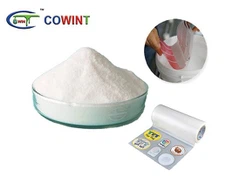
The adhesive layer is the heart of the Hot Fix Tape. It is usually a thermoplastic adhesive, which means it becomes soft and sticky when heated and solidifies when cooled. The choice of adhesive is carefully made based on the intended application, taking into account factors such as the type of materials to be bonded, the required bonding strength, and the environmental conditions where the bonded products will be used.
The Bonding Process: A Step - by - Step Breakdown
The bonding process of Hot Fix Tape is fundamentally a thermally activated phenomenon. Here's a step - by - step breakdown of how it works:
1. Application Preparation
Before applying the Hot Fix Tape, the surfaces to be bonded need to be clean and dry. Any dirt, dust, or moisture on the surfaces can prevent a strong bond from forming. The Hot Fix Tape is then placed between the two materials that need to be joined, with the adhesive side in contact with both surfaces.
2. Heating Phase
Once the tape is properly positioned, heat is applied. This can be done using a variety of heating tools, such as heat presses, irons, or specialized heating devices. The heat causes the thermoplastic adhesive on the tape to reach its melting point. When the adhesive melts, it becomes fluid and starts to flow. This fluidity allows the adhesive to penetrate the microscopic pores and irregularities on the surfaces of the materials being bonded.
As the adhesive seeps into these tiny spaces, it creates a mechanical interlocking effect. This is similar to how nails or bolts hold two pieces of wood together, but on a much smaller scale. The more irregular and porous the surface, the stronger this mechanical interlocking can be, resulting in a more robust bond.
3. Cooling Phase
After the adhesive has had enough time to flow and penetrate the surfaces, the heat source is removed, and the bonded materials are allowed to cool. As the adhesive cools down, it solidifies, locking the two materials together. The solidification process is crucial as it determines the final strength and durability of the bond.
During cooling, the adhesive forms a strong chemical and physical bond with the surfaces. Chemically, the adhesive molecules may react with the molecules on the surface of the materials, creating covalent or hydrogen bonds. Physically, the solidified adhesive acts as a bridge between the two materials, holding them firmly in place.
Factors Affecting the Bonding Mechanism
Several factors can influence the effectiveness of the bonding mechanism of Hot Fix Tape:
1. Temperature
Temperature is one of the most critical factors. If the temperature is too low, the adhesive may not melt sufficiently, resulting in a weak bond. On the other hand, if the temperature is too high, it can cause the adhesive to degrade or char, also leading to a poor bond. Each type of Hot Fix Tape has an optimal temperature range for bonding, which is usually specified by the manufacturer.
2. Pressure
Applying pressure during the heating phase can improve the bond strength. Pressure helps to ensure that the adhesive makes full contact with the surfaces and penetrates the pores more effectively. The amount of pressure required depends on the type of materials being bonded and the specific Hot Fix Tape used.
3. Time
The bonding time is also important. Sufficient time must be allowed for the adhesive to melt, flow, and form a strong bond. If the heat is removed too quickly, the adhesive may not have enough time to fully penetrate the surfaces, resulting in a weaker bond.
Applications and the Role of Bonding Mechanism
Hot Fix Tape has a wide range of applications, and the bonding mechanism plays a crucial role in each of them.
In Textile Industry
In the textile industry, Hot Fix Tape is used to attach patches, logos, and embellishments to fabrics. The strong and flexible bond created by the Hot Fix Tape ensures that the patches stay in place even after multiple washes and wear. The heat - activated bonding mechanism allows for quick and efficient application, which is essential in large - scale textile production.
In Printing and Packaging
For printing and packaging applications, Hot Fix Tape can be used to bond different layers of materials, such as paper, cardboard, and plastic films. The ability to create a strong bond quickly makes it ideal for high - speed production lines. For example, in the production of heat - transfer labels, the Hot Fix Tape ensures that the printed design adheres firmly to the product surface. You can learn more about heat - transfer applications at Heat Transfer.


In DTF Film Applications
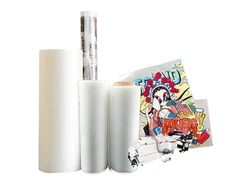
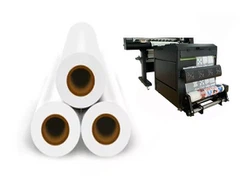
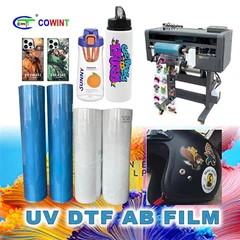
DTF (Direct - to - Film) printing is a popular method in the textile and printing industry. Hot Fix Tape is often used in conjunction with DTF films. For instance, Hot Peel Double Matte DTF Film and INSTANT PEEL SINGLE MATTE DTF FILM rely on the bonding mechanism of Hot Fix Tape to transfer the printed design from the film to the fabric. The heat - activated adhesive on the tape ensures a smooth and accurate transfer, resulting in high - quality prints.
Conclusion and Call to Action
Understanding the bonding mechanism of Hot Fix Tape is essential for anyone involved in the industries where it is used. Whether you're a textile manufacturer, a printer, or a DIY enthusiast, knowing how the tape bonds can help you achieve the best results.
As a Hot Fix Tape supplier, I'm committed to providing high - quality products that offer reliable bonding performance. If you're looking for a trusted source of Hot Fix Tape for your specific application, I invite you to reach out. We can discuss your requirements in detail and find the perfect solution for your needs. Whether it's for a small - scale project or a large - scale industrial application, our Hot Fix Tape can meet your expectations.
References
- "Adhesive Bonding: Science, Technology, and Applications" by A. V. Pocius
- "Textile Printing Technology" by R. M. Christie
- Industry - specific research papers on heat - transfer and adhesive technologies.