










As a supplier of transfer sheets, I often get asked about the ideal temperature for using these nifty little tools. Well, there's no one - size - fits - all answer, as it depends on several factors. Let's break it all down so you can get the best results with your transfer sheets.
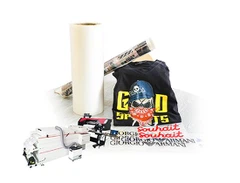
First off, what exactly is a transfer sheet? You can check out our Transfer Print Sheet page to get a better idea. Transfer sheets are used to move an image from one surface to another, commonly used in printing custom designs on fabrics, ceramics, and other materials. They work by using heat and pressure to bond the image onto the target surface.
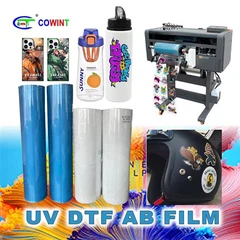
The type of transfer sheet you're using plays a huge role in determining the required temperature. For instance, there are different kinds of materials and finishes. Take our 60cm*100m PET Materials DTF Transfer Printing Film. This is a popular option for printing on T - shirts and other fabrics.
Temperature Requirements for Different Types of Transfer Sheets
Heat - Transfer Vinyl
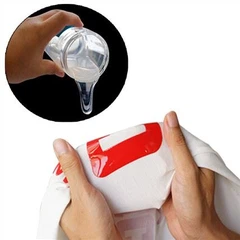
Heat - transfer vinyl is pretty common for creating custom apparel. When using this type of transfer sheet, the temperature usually ranges from 149°C to 191°C (300°F to 375°F). For a simple design on cotton or polyester blends, a lower temperature around 149°C (300°F) might work well. But if you're using a more dense or thick fabric, you might need to crank up the heat to 191°C (375°F) to ensure a good bond.
It's also important to note the time factor. You usually want to apply the heat for about 10 - 15 seconds. If you go too short on time, the vinyl won't adhere properly, and if you go too long, the vinyl might start to warp or the fabric could get damaged.
DTF Transfer Printing Films
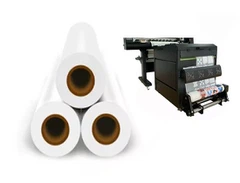
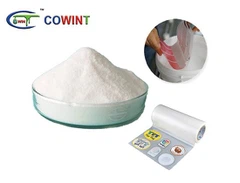
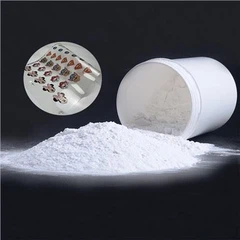
The 60cm*100m PET Materials DTF Transfer Printing Film is a type of DTF (Direct - to - Film) transfer. For DTF transfers, the temperature requirements are a bit different. Generally, you'll need to heat the transfer film at around 160°C - 180°C (320°F - 356°F) for about 15 - 20 seconds. The reason for this temperature range is to melt the powder on the DTF film that helps in bonding the ink to the fabric.
The advantage of DTF transfer printing films is that they can be used on a wide variety of fabrics, including cotton, polyester, and blends. But you still need to make sure you're using the right temperature. If it's too low, the print might peel off easily, and if it's too high, the colors might fade or the fabric could shrink.
Cold - Peel Transfer Sheets
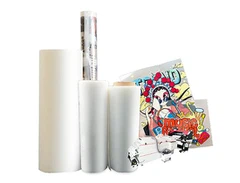
Cold - peel transfer sheets, like our COLD PEEL DOUBLE OF MATTE FILM, have their own unique temperature requirements. Unlike heat - transfer vinyl, you first apply heat to transfer the design and then let it cool down before peeling off the film.
For cold - peel transfer sheets, you want to apply heat at around 130°C - 150°C (266°F - 302°F) for about 10 - 15 seconds. The lower temperature is because the cold - peel process relies on the cool - down period to bond the design securely. Peeling the film while it's still hot can cause the design to lift or distort.
Factors Affecting Temperature Requirements
Fabric Type
As I've mentioned earlier, the type of fabric you're printing on matters a lot. Natural fibers like cotton can withstand higher temperatures compared to synthetic fibers. Polyester, for example, can start to melt or deform at high temperatures. So, if you're printing on a polyester - dominated fabric, you'll need to keep the temperature on the lower side.
Design Complexity
A simple one - color design might require less heat compared to a multi - color, detailed design. The more complex the design, the more heat and pressure you might need to ensure that all the colors adhere properly. This is because different inks and pigments in the design might have different melting and bonding points.
Transfer Sheet Thickness
Thicker transfer sheets usually need more heat to bond correctly. A thicker material takes longer to heat through, so you might need to increase the temperature or the application time to get a good result. On the other hand, thinner transfer sheets can bond at lower temperatures, but you still need to be careful not to over - heat them as they can burn or warp easily.


Tips for Getting the Right Temperature
- Test First: Always do a test run on a small piece of the same fabric you're planning to print on. This way, you can see how the transfer sheet behaves at different temperatures and adjust accordingly.
- Use a Good Quality Heat Press: A reliable heat press will ensure that the temperature is evenly distributed across the transfer sheet. This is crucial for getting a consistent and high - quality print.
- Follow the Manufacturer's Instructions: Each type of transfer sheet comes with its own set of instructions. Make sure you read and follow them carefully to get the best results.
Conclusion
So, as you can see, there's no single temperature that works for all transfer sheets. It all depends on the type of transfer sheet, the fabric you're printing on, the complexity of the design, and other factors. But with a bit of experimentation and by following these guidelines, you can achieve amazing results with your transfer printing projects.
If you're interested in purchasing transfer sheets for your business or personal projects, feel free to reach out. We're here to help you choose the right product and give you all the tips and advice you need to make your transfer printing a success.
References
- General knowledge about transfer printing techniques
- Manufacturer's guidelines for transfer sheets