















Hot melt adhesive, a versatile and widely used bonding solution, has gained significant popularity across various industries due to its numerous advantages. One of the critical aspects that determine its suitability for specific applications is its high - temperature performance. As a hot melt adhesive supplier, I am well - versed in the science and practical implications of this performance characteristic.
Understanding the Basics of Hot Melt Adhesive
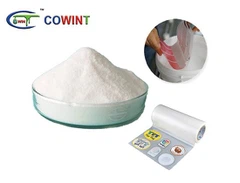
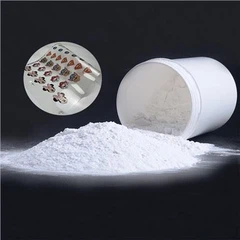
Hot melt adhesive is a thermoplastic material that is solid at room temperature. When heated to a specific temperature, it transforms into a liquid state, allowing it to be applied to substrates. Once it cools down, it solidifies again, creating a strong bond. The high - temperature performance of hot melt adhesive refers to its ability to maintain its bonding strength, physical properties, and stability when exposed to elevated temperatures.
There are several factors that influence the high - temperature performance of hot melt adhesive. The polymer base is one of the most crucial factors. Different polymers have different melting points and thermal stabilities. For example, polyamides generally have high melting points and good heat resistance, making them suitable for applications where the adhesive will be exposed to high temperatures. Ethylene - vinyl acetate (EVA) copolymers, on the other hand, have a lower melting point and are more commonly used in general - purpose applications where high - temperature resistance is not the primary concern.
High - Temperature Resistance Mechanisms
The high - temperature resistance of hot melt adhesive is based on several mechanisms. First, the chemical structure of the polymer plays a vital role. Polymers with strong intermolecular forces, such as hydrogen bonds or strong van der Waals forces, are more likely to maintain their integrity at high temperatures. For instance, the amide groups in polyamide hot melt adhesives form hydrogen bonds, which contribute to their high - temperature stability.
Secondly, the cross - linking structure can enhance the high - temperature performance. Some hot melt adhesives can be cross - linked either during the manufacturing process or after application. Cross - linking creates a three - dimensional network that restricts the movement of polymer chains, making the adhesive more resistant to deformation and flow at high temperatures.
Testing High - Temperature Performance
To accurately assess the high - temperature performance of hot melt adhesive, several testing methods are commonly used. One of the most straightforward tests is the heat resistance test. In this test, a bonded sample is placed in an oven at a specific elevated temperature for a set period. After the test, the bond strength is measured to determine if the adhesive has maintained its bonding ability.
Another important test is the softening point test. The softening point indicates the temperature at which the adhesive begins to lose its solid - like properties and becomes more fluid. A higher softening point generally means better high - temperature performance. This test is typically carried out using a ring - and - ball apparatus, where a small ball is placed on a sample of the adhesive in a ring, and the temperature is gradually increased until the ball falls through the softened adhesive.
Applications Requiring High - Temperature Performance
There are many industries and applications where the high - temperature performance of hot melt adhesive is crucial. In the automotive industry, hot melt adhesives are used for bonding interior components, such as dashboards and door panels. These components may be exposed to high temperatures inside the vehicle, especially during hot summer days. Therefore, the adhesive must be able to maintain its bond strength and not degrade under such conditions.
In the electronics industry, hot melt adhesives are used for bonding electronic components. During the manufacturing process, these components may go through high - temperature soldering or reflow processes. Adhesives with good high - temperature performance are required to ensure that the components remain securely bonded throughout these processes.
The packaging industry also has applications that demand high - temperature - resistant hot melt adhesives. For example, in the packaging of food products that are processed at high temperatures, such as pasteurization or sterilization, the adhesive used to seal the packages must withstand these elevated temperatures without losing its bond.
Our Product Offerings for High - Temperature Applications
As a hot melt adhesive supplier, we offer a range of products specifically designed for high - temperature applications. Our polyamide - based hot melt adhesives are known for their excellent heat resistance. They can withstand temperatures up to [X] degrees Celsius without significant loss of bond strength. These adhesives are suitable for automotive, electronics, and other high - temperature - demanding industries.
We also have cross - linkable hot melt adhesives that can be tailored to meet specific high - temperature requirements. By adjusting the cross - linking density, we can optimize the adhesive's performance at different temperature ranges.
Related Products in the Transfer Printing Industry
In addition to our hot melt adhesives, there are other related products in the transfer printing industry that may be of interest. For example, Transfer Film is an essential material in transfer printing processes. It can work in conjunction with hot melt adhesives to transfer patterns onto various substrates.
The KW - UV 603 3 Epson I3200 Printheads UV DTF Printer is a high - performance printer used in transfer printing. It can create high - quality prints that can be transferred using hot melt adhesives.


Another useful product is Hot Fix Tape. This tape can be used to temporarily fix transfer materials during the transfer process, ensuring accurate placement before the hot melt adhesive is applied.
Importance of Choosing the Right Adhesive
Selecting the right hot melt adhesive with appropriate high - temperature performance is crucial for the success of any application. Using an adhesive with insufficient high - temperature resistance can lead to bond failure, which can result in product defects, safety hazards, and increased costs. On the other hand, using an adhesive with excessive high - temperature performance may be unnecessary and more expensive.
Therefore, it is essential to work closely with a knowledgeable supplier who can help you choose the right adhesive based on your specific application requirements. Our team of experts is always ready to assist you in selecting the most suitable hot melt adhesive for your high - temperature applications.
Contact Us for High - Temperature Hot Melt Adhesives
If you are in need of high - temperature hot melt adhesives for your business, we invite you to contact us. We can provide you with samples for testing and offer technical support to ensure that you get the best - performing adhesive for your specific needs. Whether you are in the automotive, electronics, packaging, or any other industry, we have the right solution for you. Let's start a discussion about your requirements and find the perfect hot melt adhesive for your application.
References
- Harper, C. A. (Ed.). (2002). Handbook of Plastics, Elastomers, and Composites. McGraw - Hill.
- Stamm, A. J. (1967). Water in Polymers. American Chemical Society.
- Wicks, Z. W., Jones, F. N., & Pappas, S. P. (1999). Organic Coatings: Science and Technology. Wiley - Interscience.