











As a seasoned supplier of hot melt adhesives, I've encountered numerous inquiries regarding the compatibility of our products with various materials. One question that frequently arises is whether hot melt adhesive can be used for bonding nylon. In this blog post, I'll delve into the science behind hot melt adhesives and their interaction with nylon, exploring the feasibility, advantages, and limitations of this bonding method.
Understanding Hot Melt Adhesives
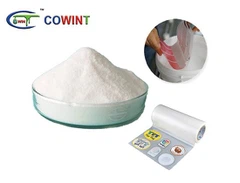
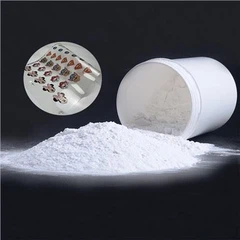
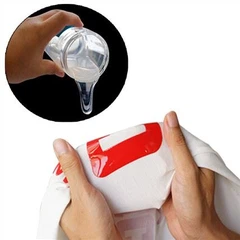
Hot melt adhesives, also known as hot glue, are thermoplastic adhesives that are solid at room temperature. When heated, they become liquid and can be applied to surfaces. As they cool, they solidify again, creating a strong bond. These adhesives are popular in various industries due to their fast setting time, high bond strength, and versatility.
There are several types of hot melt adhesives, each with its own unique properties and applications. The most common types include ethylene-vinyl acetate (EVA), polyamide, polyester, and polyurethane. The choice of adhesive depends on factors such as the materials being bonded, the required bond strength, and the environmental conditions.
The Properties of Nylon
Nylon is a synthetic polymer known for its high strength, durability, and resistance to abrasion and chemicals. It is widely used in various industries, including textiles, automotive, and electronics. Nylon has a smooth surface and a low surface energy, which can make it challenging to bond with certain adhesives.
The bonding of nylon requires an adhesive that can penetrate the surface and form a strong chemical or mechanical bond. The adhesive must also be able to withstand the stresses and strains that the bonded parts will be subjected to during use.
Can Hot Melt Adhesive Bond Nylon?
The answer is yes, hot melt adhesive can be used to bond nylon, but the success of the bond depends on several factors. The type of hot melt adhesive, the surface preparation of the nylon, and the bonding conditions all play a crucial role in determining the strength and durability of the bond.
Type of Hot Melt Adhesive
Polyamide and polyurethane hot melt adhesives are generally the best choices for bonding nylon. Polyamide hot melt adhesives offer excellent adhesion to nylon due to their high polarity and compatibility with the polymer. They have a high melting point and good resistance to heat, chemicals, and moisture.
Polyurethane hot melt adhesives, on the other hand, provide a flexible and durable bond. They can withstand high levels of stress and are resistant to impact and vibration. Polyurethane adhesives also have good adhesion to a wide range of materials, including nylon.
Surface Preparation
Proper surface preparation is essential for achieving a strong bond between hot melt adhesive and nylon. The surface of the nylon should be clean, dry, and free of any contaminants such as oil, grease, or dust. This can be achieved by wiping the surface with a solvent such as isopropyl alcohol or acetone.
In some cases, it may be necessary to roughen the surface of the nylon to improve the adhesion of the adhesive. This can be done by sanding the surface lightly with fine-grit sandpaper. However, care should be taken not to damage the nylon or create a rough surface that could affect the appearance of the finished product.
Bonding Conditions
The bonding conditions, including the temperature, pressure, and application method, also affect the quality of the bond. The hot melt adhesive should be heated to the recommended temperature to ensure proper flow and adhesion. The temperature should be carefully controlled to avoid overheating the adhesive, which can cause degradation and reduce the bond strength.
Pressure should be applied to the bonded parts during the cooling process to ensure good contact between the adhesive and the nylon surface. The amount of pressure required depends on the type of adhesive and the application.
Advantages of Using Hot Melt Adhesive for Bonding Nylon
- Fast Setting Time: Hot melt adhesives have a fast setting time, which means that the bonded parts can be handled and used soon after bonding. This can increase productivity and reduce production time.
- High Bond Strength: When properly applied, hot melt adhesives can provide a strong and durable bond between nylon parts. The bond can withstand high levels of stress and is resistant to impact and vibration.
- Versatility: Hot melt adhesives can be used to bond nylon to a wide range of other materials, including metals, plastics, and rubbers. This makes them a versatile choice for various applications.
- Clean and Easy to Use: Hot melt adhesives are clean and easy to use. They do not require any mixing or curing agents, and there is no need for solvents or other chemicals. This makes them a convenient and environmentally friendly option.
Limitations of Using Hot Melt Adhesive for Bonding Nylon
- Temperature Sensitivity: Hot melt adhesives are temperature-sensitive, and their performance can be affected by changes in temperature. At high temperatures, the adhesive may soften or melt, reducing the bond strength. At low temperatures, the adhesive may become brittle and lose its flexibility.
- Limited Open Time: Hot melt adhesives have a limited open time, which means that they must be applied and bonded quickly before they cool and solidify. This can make it challenging to work with large or complex parts.
- Appearance: The use of hot melt adhesive may leave a visible bond line, which can affect the appearance of the finished product. In some cases, this may not be acceptable, especially for applications where aesthetics are important.
Applications of Hot Melt Adhesive in Bonding Nylon
Hot melt adhesives are used in a variety of applications where nylon needs to be bonded. Some common applications include:


- Textile Industry: Hot melt adhesives are used to bond nylon fabrics in the production of clothing, footwear, and accessories. They can provide a strong and flexible bond that can withstand the stresses of washing and wearing.
- Automotive Industry: In the automotive industry, hot melt adhesives are used to bond nylon components such as interior trim, dashboard parts, and engine covers. They can provide a reliable and durable bond that can withstand the harsh conditions of the automotive environment.
- Electronics Industry: Hot melt adhesives are used to bond nylon parts in the electronics industry, such as connectors, housings, and circuit boards. They can provide a secure and stable bond that can protect the electronic components from damage.
Related Products
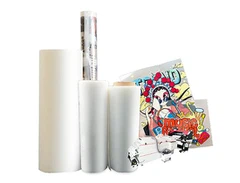
If you are interested in other products related to bonding and transfer, I would like to introduce some of our offerings. We have Digital Transfer Printing Film /PET Roll Film, which is suitable for digital transfer printing applications. Our 3D Transfer Sheet can create stunning 3D effects on various surfaces. And for direct-to-film heat transfer, we offer Cowint DTF Film Heat Transfer Direct To Film.
Contact Us for Procurement
If you are considering using hot melt adhesive for bonding nylon or are interested in any of our other products, we would be delighted to discuss your requirements. Our team of experts can provide you with detailed information, technical support, and samples to help you make the right choice. Please feel free to reach out to us to start a procurement discussion.
References
- ASTM International. (2023). ASTM D903 - 98(2023) Standard Test Method for Peel or Stripping Strength of Adhesive Bonds.
- Industrial Adhesives Handbook. (2022). McGraw-Hill Education.
- Polymer Science and Technology. (2021). John Wiley & Sons.