








Transfer printing is a fascinating and versatile process that has revolutionized the way we decorate various materials. As a transfer printing supplier, I have witnessed firsthand the crucial role that transfer - printing machines play in this process. In this blog, I will delve into the significance of transfer - printing machines, exploring their functions, advantages, and the impact they have on the overall transfer - printing workflow.
The Basics of Transfer Printing
Before we discuss the role of transfer - printing machines, it's essential to understand the transfer - printing process. Transfer printing is a method of applying a design or pattern onto a substrate, such as fabric, paper, or plastic. This is achieved by first printing the design onto a transfer medium, which is then transferred to the final substrate using heat, pressure, or a combination of both.
There are several types of transfer - printing methods, including heat transfer, sublimation transfer, and digital transfer. Each method has its own unique characteristics and is suitable for different applications. Heat transfer, for example, is commonly used for printing on textiles, while sublimation transfer is ideal for printing on polyester and other synthetic materials. Digital transfer, on the other hand, offers high - resolution printing and is suitable for small - batch production.
The Role of Transfer - Printing Machines
Transfer - printing machines are the heart of the transfer - printing process. They are responsible for accurately transferring the design from the transfer medium to the substrate. Here are some of the key roles that transfer - printing machines play:
1. Precision Printing
One of the primary functions of transfer - printing machines is to ensure precision printing. These machines are equipped with advanced printing heads and control systems that can accurately place the ink or dye on the transfer medium. This precision is crucial for achieving high - quality prints with sharp details and vibrant colors. For example, in digital transfer - printing machines, the print heads can precisely control the amount of ink ejected, resulting in consistent and accurate prints.
2. Heat and Pressure Application
Most transfer - printing methods require the application of heat and pressure to transfer the design from the transfer medium to the substrate. Transfer - printing machines are designed to provide the right amount of heat and pressure for each specific transfer - printing method. For heat transfer, the machine heats the transfer medium and presses it against the substrate, causing the ink or dye to transfer. In sublimation transfer, the machine heats the transfer paper to a high temperature, turning the dye into a gas that penetrates the fibers of the substrate.
3. Automation and Efficiency
Transfer - printing machines offer a high level of automation, which significantly improves the efficiency of the transfer - printing process. These machines can handle large volumes of printing jobs with minimal human intervention. They can automatically feed the transfer medium and the substrate, adjust the printing parameters, and perform quality control checks. This automation not only saves time but also reduces the risk of human error, resulting in higher productivity and lower production costs.
4. Customization
In today's market, customization is key. Transfer - printing machines allow for easy customization of designs. Whether it's a small - batch production of personalized t - shirts or a large - scale production of customized home decor items, these machines can quickly adapt to different design requirements. With digital transfer - printing machines, it's possible to print different designs on each substrate without the need for expensive setup changes.
Different Types of Transfer - Printing Machines and Their Applications
There are several types of transfer - printing machines available in the market, each designed for specific applications. Here are some of the most common types:


1. Heat Press Machines
Heat press machines are widely used in heat transfer printing. They are suitable for printing on a variety of materials, including textiles, ceramics, and metals. Heat press machines come in different sizes and configurations, from small desktop models for home use to large industrial - grade machines for commercial production. These machines can be used to print logos, graphics, and text on t - shirts, hats, and other apparel items.
2. Sublimation Printers
Sublimation printers are specifically designed for sublimation transfer printing. They are used to print designs on sublimation transfer paper, which is then transferred to polyester and other synthetic materials. Sublimation printers offer high - resolution printing and can produce vibrant, long - lasting prints. They are commonly used in the production of sportswear, promotional items, and photo gifts.
3. Digital Transfer - Printing Machines
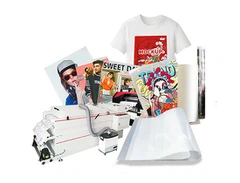
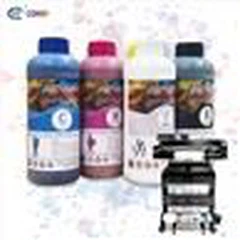
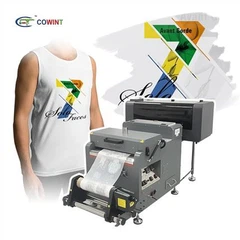
Digital transfer - printing machines are the latest innovation in the transfer - printing industry. These machines use digital technology to print designs directly onto the transfer medium. They offer several advantages over traditional printing methods, including high - resolution printing, fast turnaround times, and the ability to print small - batch orders. Digital transfer - printing machines are suitable for a wide range of applications, from fashion and textile printing to packaging and labeling.
Our Transfer - Printing Products
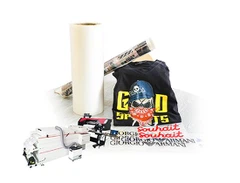
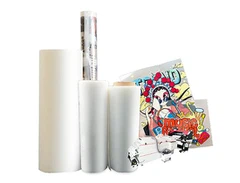
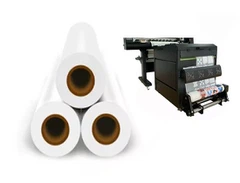
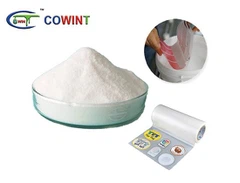
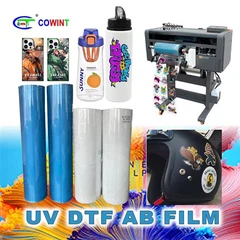
As a transfer - printing supplier, we offer a wide range of transfer - printing products to meet the diverse needs of our customers. Our products include COLD PEEL SINGLE MATTE DTF FILM, COLD PEEL DOUBLE OF MATTE FILM, and Digital Transfer Printing Film /PET Roll Film.
These films are designed to work seamlessly with transfer - printing machines, providing high - quality transfers with excellent adhesion and durability. Our cold - peel films are easy to use and offer a smooth, matte finish. The digital transfer printing film is suitable for digital transfer - printing machines, allowing for high - resolution printing on a variety of substrates.
The Future of Transfer - Printing Machines
The transfer - printing industry is constantly evolving, and transfer - printing machines are no exception. In the future, we can expect to see further advancements in technology, leading to even more efficient and versatile transfer - printing machines. Some of the trends that we anticipate include:
1. Improved Print Quality
Advancements in printing technology will continue to improve the print quality of transfer - printing machines. Higher - resolution print heads, better ink formulations, and more precise control systems will result in even sharper details and more vibrant colors.
2. Increased Sustainability
As environmental concerns become more prominent, there will be a greater focus on sustainability in the transfer - printing industry. Transfer - printing machines will be designed to use more eco - friendly inks and dyes, reduce energy consumption, and minimize waste.
3. Integration with Other Technologies
Transfer - printing machines will increasingly be integrated with other technologies, such as artificial intelligence and the Internet of Things (IoT). This integration will allow for better process control, real - time monitoring, and predictive maintenance, further improving the efficiency and reliability of the transfer - printing process.
Conclusion
Transfer - printing machines play a vital role in the transfer - printing process. They are responsible for precision printing, heat and pressure application, automation, and customization. As a transfer - printing supplier, we are committed to providing high - quality transfer - printing products and solutions that work seamlessly with these machines.
If you are interested in learning more about our transfer - printing products or have any questions about the transfer - printing process, we invite you to contact us for a procurement discussion. Our team of experts is ready to assist you in finding the best solutions for your specific needs.
References
- "The Handbook of Textile Design: Printed, Woven, Knitted, and Nonwoven" by Judith Jerde
- "Digital Textile Printing: Technology and Applications" by David C. Crump