












Hey there! As a supplier of transfer adhesive, I often get asked a bunch of questions about where and how our products can be used. One common question that pops up quite a bit is, "Can transfer adhesive be used for bonding wooden frames?" Today, I'm gonna dive deep into this topic and give you all the lowdown.
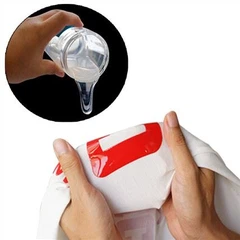
First off, let's talk a bit about what transfer adhesive is. Transfer adhesive is a super - versatile product that's designed to transfer an image, pattern, or just bond two surfaces together. There are different types of transfer adhesives out there, each with its own set of features and uses.
Now, let's consider wooden frames. Wood is a natural material, and it has its own unique properties. The surface of wood can be porous, and its texture can vary depending on the type of wood and how it's been finished. For instance, softwoods like pine have a different grain and porosity compared to hardwoods like oak or maple.
One of the key factors when using transfer adhesive on wooden frames is adhesion. The adhesive needs to stick well to the wood surface. Most transfer adhesives work by creating a strong bond between two materials. When it comes to wood, the adhesive has to penetrate the pores of the wood slightly to form a good grip. If the wood has been treated with a lot of varnish or paint, the adhesive might have a harder time sticking because these coatings can act as a barrier.
Another thing to think about is the durability of the bond. Wooden frames can be exposed to various environmental conditions. They might be in a room with fluctuating humidity, or they could be in direct sunlight. A good transfer adhesive should be able to withstand these conditions without losing its bond. For example, if the humidity is high, the wood might expand slightly. The adhesive needs to be flexible enough to accommodate this change without peeling off.
Let's take a look at some of the benefits of using transfer adhesive for bonding wooden frames. First of all, it offers a clean and precise way of bonding. Unlike some traditional glues that might spread out and create a messy finish, transfer adhesive can be applied exactly where you need it. This is especially important if you're working on a detailed wooden frame design.
Secondly, transfer adhesive can provide a strong bond without adding too much weight to the frame. This is great for wooden frames that will be hung on a wall. Heavy glues can make the frame difficult to balance and may even cause damage to the wall or the frame itself over time.
But, of course, there are also some challenges. One challenge is that not all transfer adhesives are created equal. Some might work better on certain types of wood than others. For example, an adhesive that works great on a smooth, finished hardwood might not work as well on a rough - textured softwood. It's important to do some testing before you start a big project.
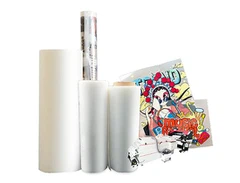
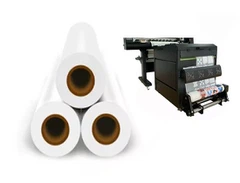
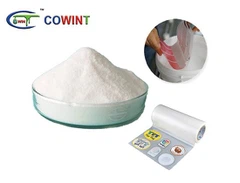
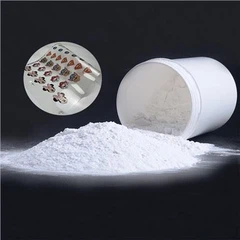
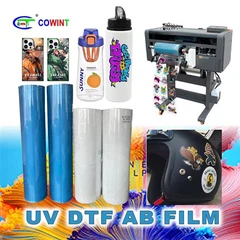
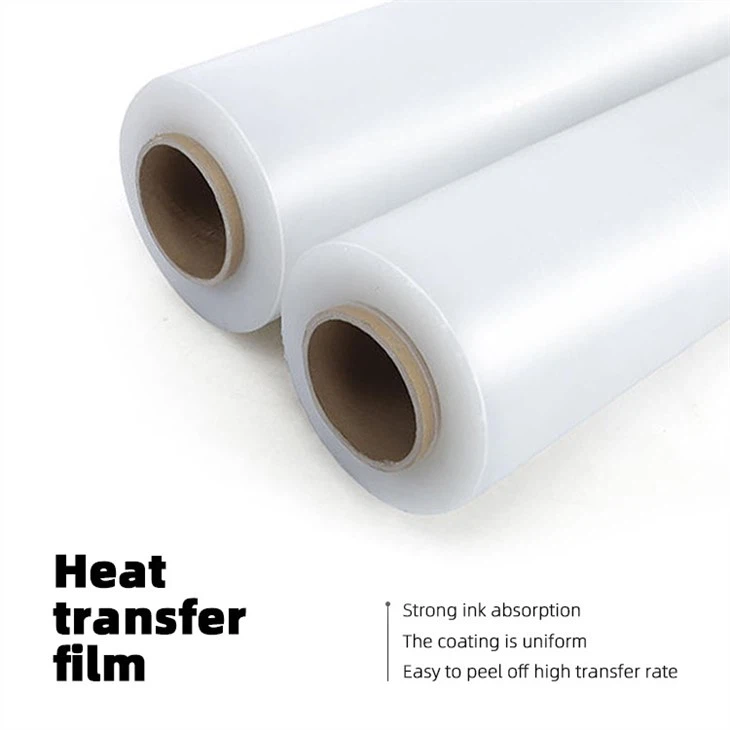
You can also look into different products that can be used in conjunction with transfer adhesive. For example, Transfer Film can be used to transfer printed designs onto the wooden frame along with the adhesive. This can add a decorative touch to the frame. And Transfer Print Chemical can help improve the bonding process and the overall quality of the transfer. DTF Clear Pet Film is another option that can be used in the transfer process to protect the design and the wood surface.
When choosing a transfer adhesive for wooden frames, here are some tips. First, make sure the adhesive is suitable for the type of wood you're using. Check the product specifications to see if it mentions compatibility with wood. Second, consider the working conditions. If the frame will be in a high - humidity environment, look for an adhesive that's moisture - resistant. Third, think about the drying time. Some adhesives dry quickly, which can be great if you're in a hurry, but others might need more time to form a strong bond.
To test the adhesive, you can take a small piece of the same type of wood and apply a small amount of the adhesive. Then, press a sample piece onto it and let it dry according to the instructions. After that, try to peel the sample piece off gently. If it comes off easily, the adhesive might not be the right one for your project. If it holds firmly, then you're on the right track.
In conclusion, transfer adhesive can definitely be used for bonding wooden frames, but it's important to choose the right product and take the necessary precautions. By considering the type of wood, the environmental conditions, and doing some testing, you can achieve a strong and durable bond.
If you're interested in learning more about our transfer adhesive products or have any questions about how they can be used for your wooden frame projects, don't hesitate to reach out. We're always here to help you find the best solution for your needs and can provide samples for you to test. Looking forward to chatting with you and helping you with your next project!
References

- Various product manuals of transfer adhesives
- Woodworking industry research on bonding materials