











When it comes to the world of adhesives, one question that often arises is whether hot melt adhesive can be used for bonding foam. As a supplier of high - quality hot melt adhesives, I'm here to delve into this topic in detail, offering both scientific insights and practical advice.
Understanding Hot Melt Adhesive
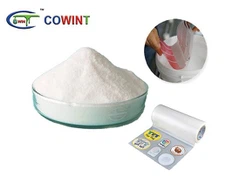
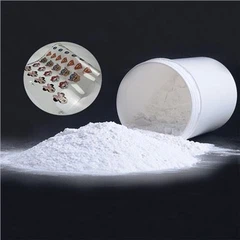
Hot melt adhesive, also known as hot glue, is a form of thermoplastic adhesive that is solid at room temperature. When heated, usually to a temperature between 160 - 190 degrees Celsius, it turns into a liquid state, allowing it to be easily applied to surfaces. Once it cools down and solidifies again, it forms a strong bond.
The main advantages of hot melt adhesive are its fast setting time, high initial tack, and the ability to bond a wide range of materials. It is solvent - free, which means it is environmentally friendly and does not emit harmful fumes during application. Additionally, it can be easily stored and transported since it does not require special handling like some liquid adhesives.
Types of Foam and Their Compatibility
Foam comes in various types, each with different chemical compositions and physical properties. The most common types of foam include polyurethane foam, polyethylene foam, and polystyrene foam.
Polyurethane Foam
Polyurethane foam is widely used in the furniture, bedding, and automotive industries due to its excellent cushioning properties. It can be either open - cell or closed - cell. Open - cell polyurethane foam is more porous, which allows the hot melt adhesive to penetrate and form a mechanical bond. However, the high porosity can also cause the adhesive to seep too deeply, leading to a weaker surface bond and a messier appearance.


For closed - cell polyurethane foam, the non - porous surface makes it more challenging for the adhesive to create a good bond. In this case, a hot melt adhesive with a high initial tack and strong adhesion properties is required. Some of our hot melt adhesives are specially formulated to bond with closed - cell polyurethane foam, providing a reliable and long - lasting bond.
Polyethylene Foam
Polyethylene foam is known for its shock - absorbing and insulating properties. It is often used in packaging, sports equipment, and insulation applications. Polyethylene foam has a low - energy surface, which means it is difficult for most adhesives to wet and bond to it. But with the right hot melt adhesive formulation, which may include additives to improve wetting and adhesion, it is possible to achieve a satisfactory bond. Our advanced hot melt adhesives are designed to overcome the surface energy challenges of polyethylene foam, ensuring a stable and strong connection.
Polystyrene Foam
Polystyrene foam, commonly used in packaging and construction insulation, has limited heat - resistance. When using hot melt adhesive on polystyrene foam, the high temperature of the molten adhesive can cause the foam to melt or deform. To address this issue, we offer low - temperature hot melt adhesives. These adhesives can be applied at lower temperatures, usually around 80 - 120 degrees Celsius, reducing the risk of damaging the polystyrene foam while still providing sufficient bonding strength.
Factors Affecting the Bonding of Foam with Hot Melt Adhesive
Surface Preparation
Proper surface preparation is crucial for achieving a strong bond. The foam surface should be clean, dry, and free of dust, grease, or other contaminants. Any impurities on the surface can prevent the adhesive from wetting the foam properly, resulting in a weak bond. In some cases, light sanding or wiping the surface with a mild solvent can improve the adhesion.
Adhesive Application
The way the hot melt adhesive is applied also affects the bonding quality. The adhesive should be applied evenly and at the right temperature. If the adhesive is too hot, it may damage the foam; if it is too cold, it may not flow properly and form a good bond. The application method, such as spraying, rolling, or extrusion, should also be chosen according to the type of foam and the specific bonding requirements.
Pressure and Time
Applying pressure during the bonding process can help the adhesive spread evenly and increase the contact area between the adhesive and the foam. The pressure should be applied immediately after the adhesive is applied and maintained until the adhesive has cooled and solidified. The time required for the adhesive to set depends on the type of adhesive and the environmental conditions. In general, hot melt adhesives set very quickly, usually within a few seconds to a few minutes.
Applications of Hot Melt Adhesive in Foam Bonding
Furniture Manufacturing
In the furniture industry, hot melt adhesive is used to bond foam to frames, fabrics, and other components. For example, it can be used to attach polyurethane foam cushions to wooden or metal frames, providing a strong and durable connection. The fast setting time of hot melt adhesive allows for high - speed production, increasing the efficiency of the furniture manufacturing process.
Packaging Industry
In packaging, hot melt adhesive is used to bond polyethylene foam inserts to cardboard boxes or to seal foam - lined envelopes. The ability of hot melt adhesive to bond different materials quickly and securely makes it an ideal choice for packaging applications, where speed and reliability are essential.
Automotive Industry
In the automotive sector, hot melt adhesive is used to bond foam gaskets, insulation materials, and interior trim components. The high - strength bond provided by hot melt adhesive can withstand the vibrations, temperature changes, and mechanical stresses experienced in a vehicle, ensuring the safety and comfort of the passengers.
Our Hot Melt Adhesive Products for Foam Bonding
As a leading supplier of hot melt adhesives, we offer a wide range of products specifically designed for foam bonding. Our products are formulated using the latest technologies and highest - quality raw materials to ensure superior performance.
We have [product type 1] for bonding open - cell polyurethane foam, which provides excellent penetration and strong adhesion. For closed - cell polyurethane foam, our [product type 2] offers high initial tack and long - term durability. When it comes to polyethylene foam, our [product type 3] is specially designed to overcome the low - energy surface problem and create a stable bond. And for polystyrene foam, our low - temperature [product type 4] is the perfect solution to prevent foam damage during the bonding process.
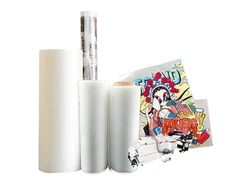
If you are interested in our hot melt adhesives for foam bonding, you may also want to explore our related products such as COLD PEEL DOUBLE OF MATTE FILM, OEM 3D Transfer, and COLD PEEL DOUBLE MATTE FILM. These products can complement our hot melt adhesives and provide you with more comprehensive solutions for your projects.
Conclusion
In conclusion, hot melt adhesive can indeed be used for bonding foam, but careful consideration must be given to the type of foam, surface preparation, adhesive application, and other factors. As a hot melt adhesive supplier, we are committed to providing our customers with high - quality products and professional technical support. Whether you are in the furniture, packaging, automotive, or any other industry that requires foam bonding solutions, we have the right adhesive for you.
If you have any questions about our hot melt adhesives or need further advice on foam bonding, please feel free to contact us. We are always ready to assist you in finding the best adhesive solution for your specific needs. Let's start a partnership and work together to achieve your project goals.
References
- “Adhesives and Sealants Handbook” by Andrew Pizzi and K. L. Mittal
- “Plastic Foams: Mechanisms and Materials” by Ian Alexander Pearson
- “Polymer Chemistry: An Introduction” by Malcolm P. Stevens