







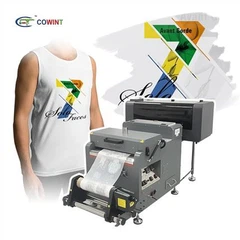


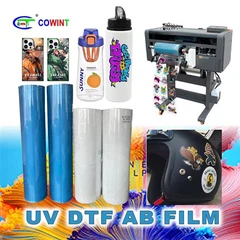
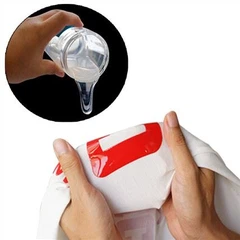


Laminating transfer film is a crucial process in the printing and transfer industry, offering a reliable way to apply designs onto various surfaces. As a seasoned transfer film supplier, I've witnessed firsthand the transformative impact of well - executed lamination on the final product. In this blog, I'll walk you through the step - by - step process of laminating transfer film, from understanding the materials to troubleshooting common issues.
Understanding Transfer Film
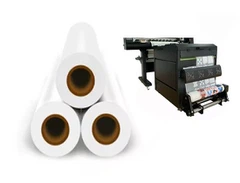
Before delving into the lamination process, it's essential to understand the different types of transfer films available. At our company, we offer a wide range of transfer films, each designed for specific applications. For instance, DTF Clear Pet Film is a popular choice for direct - to - film (DTF) printing. It provides a clear and durable base for printing vibrant designs, which can then be transferred onto fabrics, ceramics, and other materials.
Another type is the Film For Thermal Transfer. This film is used in thermal transfer printing, where heat is applied to transfer the ink from the film onto the substrate. It's known for its high - resolution printing capabilities and excellent adhesion.
Preparing the Workspace
A clean and organized workspace is vital for a successful lamination process. Start by clearing the work area of any debris, dust, or contaminants that could affect the quality of the lamination. Use a lint - free cloth to wipe down the surface where you'll be working. Ensure that the temperature and humidity in the workspace are within the recommended range for the specific transfer film you're using. Most transfer films work best in a temperature - controlled environment between 20 - 25°C (68 - 77°F) and a relative humidity of 40 - 60%.
Selecting the Right Laminating Equipment
The choice of laminating equipment depends on the type of transfer film and the volume of work. For small - scale projects, a handheld laminator may be sufficient. These are easy to use and relatively inexpensive. However, for larger - scale operations, a commercial laminating machine is recommended. These machines offer more precise control over the lamination process, including temperature, pressure, and speed.
Preparing the Transfer Film and Substrate
Before laminating, the transfer film and the substrate need to be prepared properly. Cut the transfer film to the appropriate size, leaving a small margin around the design to ensure full coverage during lamination. The substrate, whether it's fabric, paper, or plastic, should be clean and dry. If the substrate has any wrinkles or creases, smooth them out before proceeding.
The Lamination Process
- Setting Up the Laminator: Turn on the laminator and set the temperature and speed according to the manufacturer's instructions for the specific transfer film. It may take a few minutes for the laminator to reach the desired temperature.
- Inserting the Transfer Film and Substrate: Carefully place the transfer film with the printed side facing the substrate. Align them accurately to ensure that the design is centered on the substrate. Then, insert the combined film and substrate into the laminator.
- Applying Pressure and Heat: As the film and substrate pass through the laminator, the heat and pressure will activate the adhesive on the transfer film, bonding it to the substrate. Make sure to feed the materials evenly to avoid any bubbles or wrinkles.
- Cooling and Finishing: Once the lamination is complete, remove the laminated product from the laminator and allow it to cool. This will help the adhesive set properly. After cooling, trim any excess film from the edges using a sharp blade.
Troubleshooting Common Issues
Even with careful preparation, you may encounter some issues during the lamination process. Here are some common problems and their solutions:
- Bubbles: Bubbles can occur if there is air trapped between the transfer film and the substrate. To prevent this, make sure to smooth out any wrinkles before lamination and feed the materials evenly through the laminator. If bubbles do appear, try gently pressing them out with a roller or a flat object.
- Poor Adhesion: Poor adhesion can be caused by incorrect temperature settings, dirty surfaces, or the wrong type of transfer film. Check the temperature and pressure settings of the laminator, clean the substrate thoroughly, and ensure that you're using the appropriate transfer film for the substrate.
- Uneven Lamination: Uneven lamination can result from uneven pressure or speed during the lamination process. Adjust the settings on the laminator to ensure consistent pressure and speed throughout the process.
Using Accessories for Better Results
In addition to the transfer film and laminating equipment, certain accessories can enhance the lamination process. Hot Fix Tape is a useful accessory that can be used to secure the transfer film in place during lamination. It provides an extra layer of adhesion and helps prevent the film from shifting.
Quality Control
After laminating, it's important to conduct a quality control check. Inspect the laminated product for any defects, such as bubbles, poor adhesion, or uneven lamination. If any issues are found, identify the cause and take corrective action for future laminations.
Conclusion
Laminating transfer film is a complex but rewarding process that requires attention to detail and the right techniques. By understanding the different types of transfer films, preparing the workspace and materials properly, using the right equipment, and troubleshooting common issues, you can achieve high - quality laminations every time.
As a transfer film supplier, we are committed to providing our customers with the best products and support. If you're interested in purchasing transfer films or have any questions about the lamination process, please don't hesitate to contact us. We're here to help you with all your transfer film needs and look forward to discussing potential partnerships and procurement opportunities.

References
- Industry standards and guidelines for transfer film lamination.
- Manufacturer's instructions for transfer films and laminating equipment.